
WVM
Play WVM
WVM Screenshots










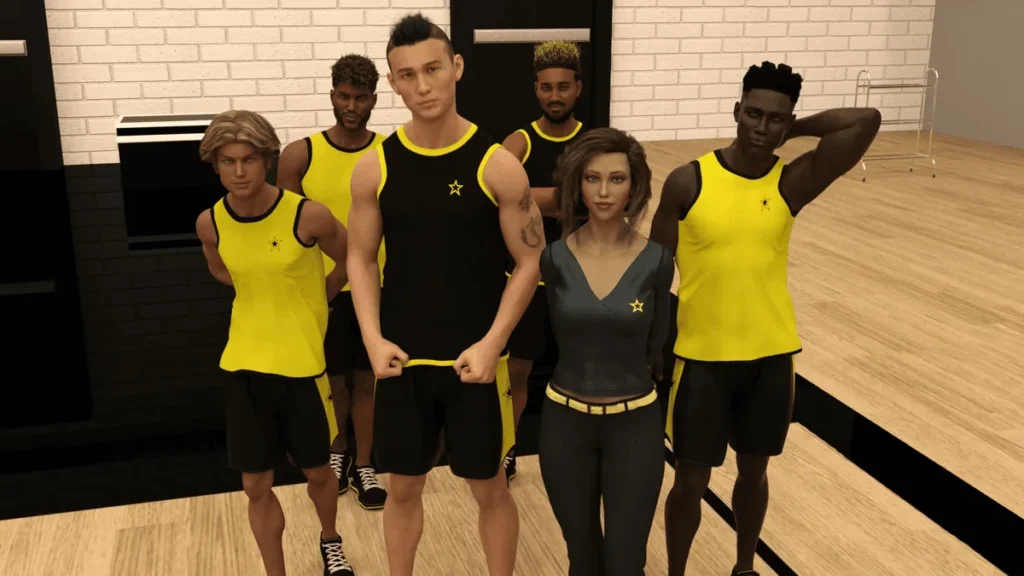




WVM review
A grounded, player-focused look at WVM, its narrative, and what to expect before you dive in
WVM is a choice-driven visual novel that blends basketball, college life, and complex relationships into a single narrative-driven experience. You step into the shoes of a top high school recruit who turns down elite programs to attend a struggling college team, with all eyes on you to turn things around. As you settle into campus life, you navigate friendships, romantic tension, and moral decisions that can reshape your story. In this article, I’ll walk through what WVM is about, how it plays, and what you can realistically expect from the game based on first-hand impressions and feedback from other players.
What Is WVM and Why Did It Get So Much Attention?
So, you’ve heard the buzz. Maybe a friend won’t stop talking about it, or you’ve seen it popping up in forums. The name WVM is floating around, often followed by passionate debates and recommendations. But what is WVM, and why does this particular visual novel have people so invested? 🤔
At its heart, WVM is a story about a choice that defies expectation. You don the jersey of a high school basketball phenom, a player with the talent to pick any top-tier college in the nation. The obvious path? A powerhouse basketball school, shining under the national spotlight. But you, the player, choose differently. You commit to West Virginia Mountainers (WVM), a program so historically bad it famously went 0-for-a-season last year. It’s a move that shocks the sports world and forms the brilliant, compelling core of this college basketball visual novel.
Why would anyone do that? This isn’t a random act of rebellion. The WVM story roots this decision in deeply human motivations: complex family dynamics, a sense of loyalty to a coach who believed in you early, and the pull of personal ties that feel more authentic than any championship ring. This single choice isn’t just a plot point; it’s the thesis statement for the entire WVM game. It announces that this is a story about people, pressure, and personal growth, with basketball as the intense, high-stakes backdrop.
What is the core story of WVM?
The core story of WVM is a rich, layered experience that masterfully blends three key ingredients into one compelling narrative. Think of it less as a sports saga and more as a holistic slice-of-life drama where you are the protagonist.
Your daily life becomes a carefully managed balancing act. Mornings might start with grueling team practices where every drill is a step toward proving the doubters wrong. Then, you’re rushing to class, trying to keep your grades up as the “celebrity recruit” on a campus that’s suddenly paying very close attention. Evenings could involve strategy sessions with coaches, study groups with teammates, or simply navigating the social labyrinth of college—meeting new people, attending parties, and forming connections that range from friendly to deeply romantic.
As a visual novel, WVM delivers this story through evocative character art, descriptive scenes, and extensive dialogue. You’ll read through conversations, internal monologues, and pivotal moments, with your choices directly steering the narrative’s direction. The main character arrives at WVM carrying baggage—a rough background they’re trying to outrun—making this new start fraught with both immense hope and crushing expectation. You’re not just there to play ball; you’re there to build a new life, and every decision weighs heavily on that fragile foundation.
The narrative pillars holding up this entire experience are:
* Sports Pressure: The tangible, weekly grind of turning a joke of a team into a respectable one.
* Campus Life: The academic and social immersion of being a college student, with all its freedoms and pitfalls.
* Relationship-Driven Storytelling: Forming bonds that can become your greatest support or your most devastating distraction.
This trio creates a story engine that feels uniquely personal and deeply engaging. 🏀📚❤️
Why does the WVM setting feel different from other visual novels?
The world of WVM stands out because it masterfully creates tension from a premise that feels grounded and relatable. Many stories promise high stakes with world-ending drama. WVM achieves it by asking, “What if the stakes were your pride, your relationships, and a promise you made to yourself?”
The WVM setting is the ultimate underdog environment. You walk into a gym haunted by failure, with a team that has forgotten how to win. The pressure to rebuild isn’t abstract; it’s in the weary eyes of the seniors, the skeptical headlines, and the quiet doubt in the stands. This college basketball backdrop isn’t just set dressing—it actively collides with every other aspect of your life.
Your rising status on campus creates a fascinating dynamic. One moment you’re a leader in the locker room, giving a pep talk. The next, you’re just another student in a cafeteria line, wondering if that person smiling at you likes you or the idea of the “savior recruit.” The game brilliantly explores this collision:
- Training & Reputation: Your performance in practice directly affects team morale and how coaches view you. Slack off, and you might see it reflected in your teammates’ distant attitudes during a scene later in the week.
- Game Days vs. Social Nights: Choosing to focus on film study instead of a big campus party has real consequences. You might gain a tactical edge, but miss a crucial moment to connect with a character, changing your relationship path.
- Consequences of Choice: This is where WVM truly shines. The game makes you feel the shift in how characters perceive you. I remember one playthrough where I repeatedly prioritized a budding romantic connection over team commitments. It wasn’t a dramatic, single choice. It was a series of small “I’ll catch up with you later” to my captain. Eventually, the game delivered a scene where that captain—a character I genuinely liked—sat me down. The art showed his disappointed expression, and the dialogue was cold, formal, and utterly heartbreaking. He didn’t yell; he just stated he couldn’t rely on me. That quiet, earned consequence hit harder than any fictional betrayal I’ve experienced.
It’s this seamless weave of sports narrative, personal drama, and meaningful choice that carves out WVM’s unique identity. The setting isn’t just where the story happens; it’s the engine that makes every decision vibrate with potential consequence.
| Common Visual Novel Setting | The WVM Setting | Why It Feels Different |
|---|---|---|
| Fantasy Academy or Supernatural World | A Realistic, Struggling Public University | The stakes are relatable. The problems (academics, social pressure, team dynamics) are grounded in real-life experience. |
| Protagonist with a Secret Destiny | A Protagonist with a Deliberate, Controversial Choice | Your agency defines the story from minute one. You live with the weight of your own debated decision. |
| Clear-cut “Right vs. Wrong” Choices | Nuanced “Right vs. Right” or “Team vs. Self” Choices | Decisions often involve sacrificing one good thing for another, making them more thought-provoking and emotionally resonant. |
Who is WVM really for?
Let’s be clear: this WVM game review is coming from a place of love, but it’s crucial to manage expectations. WVM is not for everyone, and understanding its audience is key to knowing if you’ll fall into its captivating spell.
First and foremost, WVM is a character-driven, narrative feast. It is designed for players who love to read, to immerse themselves in long-term story arcs, and to experiment with how different choices branch out into entirely different relationship dynamics and story outcomes. If you’re looking for fast-paced action, quick-time events, or strategic basketball management simulation, you will be disappointed. The “gameplay” here is contemplation, conversation, and connection.
It’s for the player who gets attached. On my first playthrough, I found myself instantly drawn to a specific character—a fellow student with sharp wit and a seemingly guarded exterior. My choices naturally leaned toward impressing them, sharing moments, and unlocking their backstory. So, when a later story beat forced me to make a decision that went against their wishes for the “good of the team,” the fallout was visceral. Seeing their previously warm character art shift to a closed-off, hurt expression in subsequent scenes genuinely made me pause the game. I felt the weight of that digital disappointment. That’s the WVM experience.
So, is WVM worth playing? It absolutely is, if you are:
* A reader at heart, who enjoys visual novels for their deep storytelling. 📖
* Drawn to slow-burn romance, complex drama, and watching relationships evolve over time.
* Fascinated by the “behind-the-scenes” pressure of sports and personal ambition.
* A player who replays games to see different outcomes and explore every character path.
* Looking for an experience where your choices don’t just change a ending slide, but actively reshape character relationships and story scenes throughout the journey.
If that sounds like you, then WVM offers a profoundly satisfying and emotionally engaging experience. It’s a game about building a life, piece by fragile piece, under the bright, unforgiving lights of expectation. Your performance on the court matters, but it’s the person you become off it that truly defines your legacy at WVM.
Now that we’ve explored what WVM is and who it’s for, the next question is: how do you actually navigate this world? In the next part of our guide, we’ll dive deep into the mechanics of choice, the cast of characters you’ll meet, and how to get the most out of your time as the Mountainers’ newest star.
WVM combines underdog sports pressure, campus drama, and relationship-focused storytelling into a lengthy, choice-driven visual novel experience. Instead of leaning on fast mechanics, it asks you to live with your decisions as a college recruit trying to rebuild a failing program while managing complex personal connections. If you enjoy narrative games where dialogue, character growth, and long-term consequences matter, WVM can offer a surprisingly engaging journey. Take your time with the choices, pay attention to how people respond to you, and treat your first run as a personal story rather than a perfect route. That is where WVM tends to resonate most strongly.