Play Treasure of Nadia
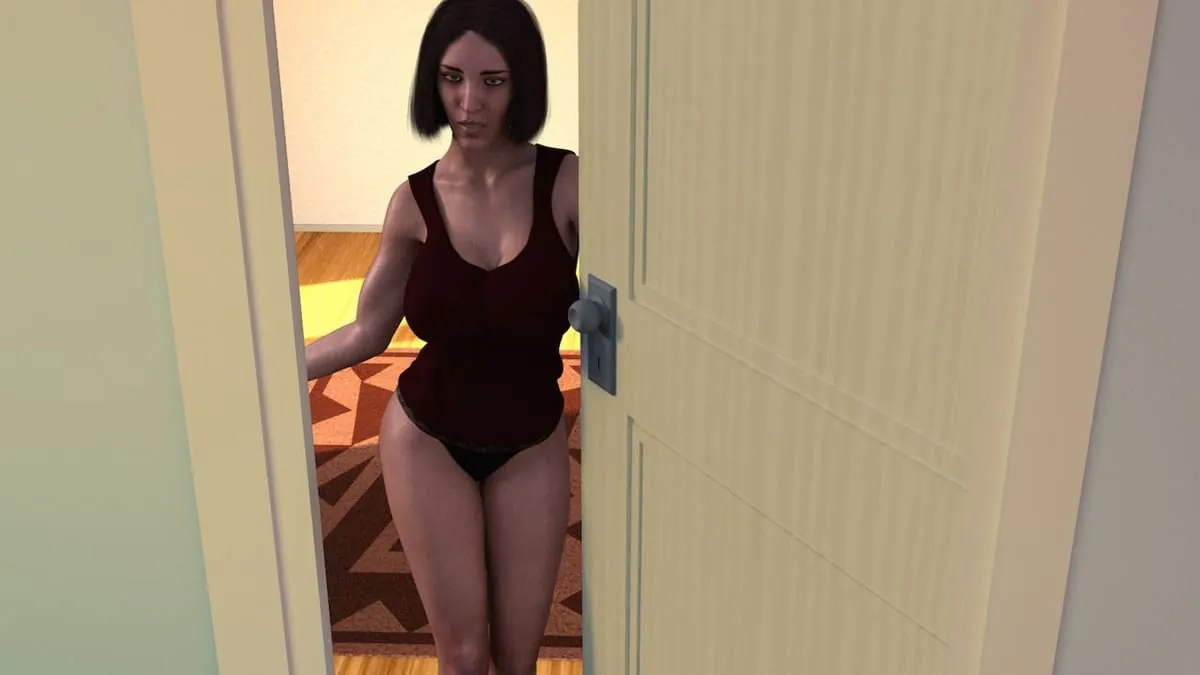
Treasure of Nadia Screenshots


Treasure of Nadia review
Explore Gameplay, Storyline, and Features of Treasure of Nadia
Treasure of Nadia is a captivating adventure game that blends puzzle-solving, exploration, and a rich storyline with immersive character interactions. Known for its engaging gameplay and detailed visuals, this game offers players a unique journey on the island of Cape Vedra. Whether you’re new to the game or looking to deepen your understanding, this guide covers everything from gameplay mechanics to character dynamics, helping you navigate and enjoy Treasure of Nadia to its fullest.
Gameplay and Mechanics of Treasure of Nadia
Alright, let’s get straight into the heart of the adventure. The Treasure of Nadia gameplay is a captivating mix that feels both wonderfully classic and refreshingly modern. At its core, it’s a point-and-click journey, but to label it just that would be a massive disservice. 🗺️ Think of it as a laid-back expedition where your curiosity is the main driving force. You play as a young treasure hunter, and from the moment you set foot on the island, the world is yours to poke, prod, and investigate.
The magic lies in how this simple interaction opens up a complex, story-rich world. You’ll click to walk, click to talk to the island’s intriguing inhabitants, and most importantly, click to examine everything. That glint behind a waterfall? Click it. That oddly shaped rock formation? You bet—click it. This approach makes how to play Treasure of Nadia incredibly accessible. There’s no complex control scheme to master; it’s just you, your mouse, and a growing sense of wonder.
But don’t let the simplicity fool you. Beneath this accessible surface lies a web of interconnected systems. The true Treasure of Nadia game mechanics are about observation, inventory management, and logical thinking. Your progress is gated not by leveling up in a traditional sense, but by your ability to solve environmental challenges and forge relationships. It’s this blend of relaxed exploration and engaging puzzle-solving that forms the addictive loop at the center of the experience.
How Does Exploration Work in Treasure of Nadia?
Exploration is the lifeblood of this game. The Treasure of Nadia exploration style is wonderfully non-linear, encouraging you to revisit locations with new items or information. The island is divided into numerous screens, each a detailed, static painting brimming with potential secrets. 🕵️♂️
My first hour playing, I remember just soaking in the atmosphere. I’d wander from the sunny beaches to the dense, shadowy jungles, clicking on everything that seemed even slightly out of place. This is where the game’s RPG elements start to shine through. While you’re not managing stats like Strength or Dexterity, you are building a different kind of character progression: knowledge and resource acquisition.
- Environmental Interaction: Nearly every screen has interactive elements. Some are immediately useful, like a tree bearing fruit. Others are mysteries, like a sealed cave door or a mechanism missing a part. The game does a fantastic job of training you to think, “I can’t do anything with this now, but I bet I’ll need a specific item later.”
- Map & Journal System: Your trusty map and journal are indispensable tools. The map allows for quick travel to discovered locations, a huge quality-of-life feature when you have a hunch about where to use a newly found item. The journal, however, is the real MVP. It automatically logs important clues, character notes, and even recipes, ensuring you never lose track of a vital lead. It’s the perfect companion for a treasure hunter.
- Unlocking New Areas: Progression is deeply tied to exploration. You might need to clear a landslide with dynamite, repair a broken bridge, or decipher a riddle to open a new path. This creates a fantastic sense of accomplishment. You’re not just watching the story unfold; you are physically unlocking the world, piece by piece.
The joy comes from that “aha!” moment when the puzzle piece fits. You find a rusty key in the jungle, and suddenly you remember that locked chest back at the shipwreck cove. That direct feedback between your exploration efforts and tangible progress is incredibly satisfying. This cycle of find, remember, and return is central to the Treasure of Nadia gameplay loop.
Puzzle Solving and Item Crafting Explained
This is where the game truly separates itself from a simple visual novel. The Treasure of Nadia puzzles and Treasure of Nadia crafting system are elegantly intertwined, demanding both creativity and logic from the player. 🔧🧩
Most puzzles are environmental. You’ll encounter a locked door with a symbol, a weight-sensitive plate, or a series of statues that need to be oriented correctly. The solutions are never obscure for the sake of it; they rely on clues found in notes, environmental storytelling, or dialogue with other characters. I once spent a good 20 minutes stuck on a light-beam puzzle in a temple, only to realize the solution was sketched on a tablet I’d found three areas back. The game rewards thorough investigation.
Now, let’s talk crafting. This isn’t a complex minigame with endless menus. It’s intuitive and purposeful. You collect raw materials from the environment—herbs, minerals, strange artifacts—and combine them at your base camp workshop.
Pro Tip: Always try combining new items you find! Some of the most useful tools, like the Lockpick or the improved Metal Detector, come from experimenting with the Treasure of Nadia crafting system.
For example, you might find Gunpowder and an Empty Bottle separately. The game’s journal might hint at their use, or you might just try combining them. Boom (literally)—you have Dynamite, a key item for clearing obstacles. This system turns every item find into a potential “eureka” moment. You’re not just collecting junk; you’re collecting possibilities.
The table below breaks down how these core Treasure of Nadia game mechanics work together to shape your adventure:
| Gameplay Mechanic | How It Works | Impact on Player Experience |
|---|---|---|
| Point-and-Click Exploration | Click to move, interact, and examine detailed static scenes. Use a map for fast travel. | Creates an accessible, low-pressure atmosphere that encourages thorough investigation of every screen. It feels relaxing yet engaging. |
| Environmental Puzzles | Obstacles block progress (locked doors, broken bridges). Solutions require using specific inventory items or manipulating the environment based on found clues. | Provides satisfying intellectual challenges. The “aha!” moment of solving a puzzle creates a direct and rewarding sense of progression. |
| Item Crafting | Combine raw materials and found objects at a workshop to create new, useful tools (e.g., Dynamite, Lockpicks, Potions). | Transforms simple item collection into a creative process. Every material has potential, deepening the engagement with the world and its resources. |
| Journal & Clue System | An auto-updating log that records important story beats, puzzle clues, and crafting recipes. | Prevents frustration by tracking crucial information. It acts as the player’s memory, allowing them to focus on exploration and deduction. |
Balancing Adventure and Story Progression
The genius of Treasure of Nadia gameplay is in its pacing. It masterfully balances the adventure mechanics with a compelling, character-driven narrative. This isn’t a game where you grind through puzzles just to get to the next cutscene; the puzzles and exploration are the story. 🎭⚖️
The narrative unfolds through your actions. You need a sacred gem to enter an ancient temple? That sends you on a quest that involves helping a local villager, which in turn reveals a subplot about the island’s history. The Treasure of Nadia RPG elements are subtle but impactful—your progression in the story is often gated by your relationships with the characters. Building trust opens up new quests, which yield new items, which unlock new areas. It’s a beautifully interconnected circle.
The game avoids feeling like a chore because the pacing respects your time. Longer puzzle sequences or exploration stretches are often followed by significant narrative developments or character interactions. This rhythm keeps you hooked. You’re always working toward something clear: the next story beat, the next tool, the next romantic encounter, or the next piece of the treasure map.
This balance is what makes the Treasure of Nadia experience so immersive. You feel like a genuine explorer because the game doesn’t just tell you you’re on an adventure; it makes you perform the adventure. The simple, accessible controls mean there’s no barrier between you and the world, allowing you to become fully absorbed in the role of the treasure hunter.
Ultimately, learning how to play Treasure of Nadia is about embracing a mindset of patience and curiosity. Talk to everyone, click on everything, and don’t be afraid to backtrack with a new item in your pocket. The island is waiting to share its secrets, and every solved puzzle and crafted tool is a step closer to the ultimate prize. Happy hunting! ⛏️🏆
Treasure of Nadia offers a well-rounded adventure experience that combines engaging puzzles, exploration, and a compelling storyline. Its intuitive gameplay mechanics and immersive environment make it accessible for both new and experienced players. By understanding the core elements of the game, players can fully appreciate the depth and creativity that Treasure of Nadia brings to the genre. Dive in and explore the island’s secrets to uncover all the game has to offer.