Tales of Unity
Play Tales of Unity
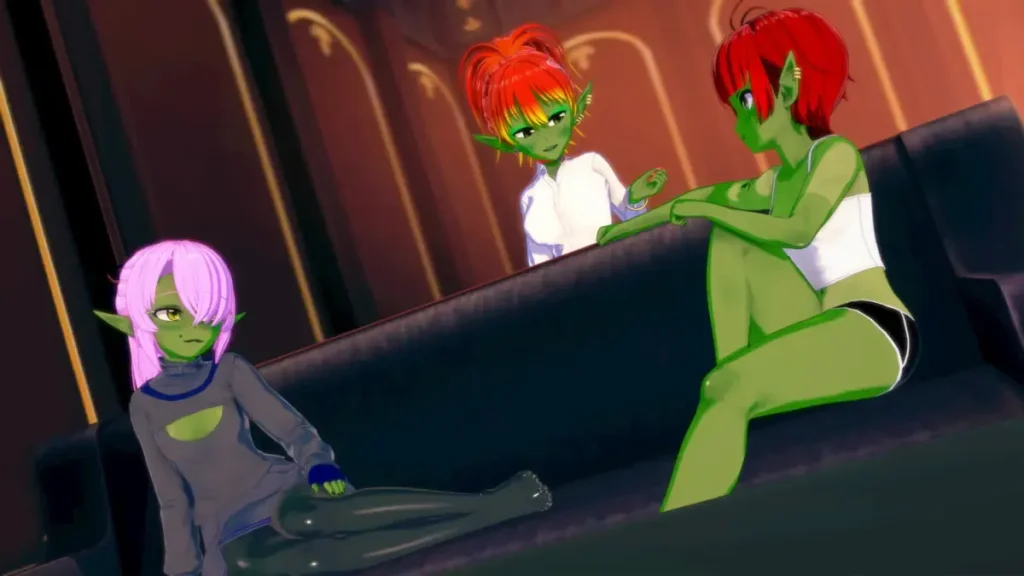
Tales of Unity Screenshots

Tales of Unity review
Exploring storytelling excellence in modern interactive fiction
Tales of Unity stands as a remarkable achievement in interactive storytelling, demonstrating that narrative-driven experiences can captivate audiences through compelling character development and world-building. This game represents a significant milestone in how modern interactive fiction can deliver emotionally resonant stories that rival traditional gaming narratives. Whether you’re a fan of character-driven narratives, relationship-building mechanics, or immersive interactive experiences, Tales of Unity offers a unique blend of engaging storytelling and meaningful player choices. Understanding what makes this title exceptional provides insight into the evolution of narrative-focused gaming and the potential of interactive fiction as a storytelling medium.
The Narrative Excellence of Tales of Unity
Let me tell you about the first time I truly messed up in Tales of Unity. I was deep into a tense negotiation between two rival guilds, with my companion, a sharp-witted diplomat named Elara, by my side. Confident in my charm, I chose a dialogue option I thought was cleverly deceptive. The result? Elara’s trust, which I had spent hours carefully cultivating, shattered in an instant. She didn’t just give me a silent treatment; she openly challenged my authority in the next story beat, altering the political landscape of the entire chapter. I was stunned. My casual choice had real, irreversible weight. That moment wasn’t a failure; it was the game showing me its brilliance. This is the core of the Tales of Unity narrative: a living, breathing story where every decision writes a line in a permanent record.
This interactive storytelling game represents a watershed moment for the genre. It proves, without a shadow of a doubt, that interactive fiction can deliver a character-driven narrative experience with the depth, emotional resonance, and complexity of the finest traditional novels or films. The magic isn’t just in the writing—which is superb—but in how that writing is activated by you, the player. Your agency is the catalyst, transforming a great script into a profoundly personal epic. 🎭
What Makes Tales of Unity’s Story Stand Out
Forget the idea of a story that simply unfolds before you. Tales of Unity constructs its narrative around you. The foundation is a masterclass in interactive fiction storytelling, built on a simple but powerful principle: consequence is king. Here, branching story choices are not cosmetic illusions or simple moral binaries of “good vs. evil.” They are nuanced, often difficult decisions that ripple outwards, changing character relationships, locking or unlocking story paths, and fundamentally reshaping the world’s political and social fabric.
What sets it apart is the seamless integration of choice and consequence. The game’s brilliant dialogue system rarely offers blatant “Option A = Lie, Option B = Truth.” Instead, you pick from tones, implications, and half-truths. You might choose to be “Diplomatic,” “Cynical,” or “Vulnerable,” and the game’s characters react to the subtext of your demeanor, not just the words. This creates a stunningly human Tales of Unity gameplay loop where you must think about personality and context, not just plot outcomes.
The writing itself is the secret weapon. Characters speak with distinct voices, full of history, bias, and emotion. Lore isn’t dumped in codex entries; it’s woven into casual tavern conversations, arguments between allies, and folktales told around a campfire. The story confidently tackles mature themes—betrayal, sacrifice, the burden of leadership—without ever feeling gratuitous. It trusts the player’s intelligence, presenting grey areas where the “right” choice is painfully unclear. This narrative maturity ensures the story remains the undisputed primary focus, a tapestry you help weave with every interaction. ✨
“I’ve never cried over a video game before. But saying goodbye to my version of Kaelan in Tales of Unity, knowing our entire journey was built on my specific choices—the laughs, the fights, the quiet moments of trust—it wrecked me. It felt like losing an actual friend. That’s not just playing a game; that’s living a story.” – A player testimonial from the game’s community forums.
Character Development and Relationship Building
If the plot is the skeleton of Tales of Unity, then its characters are the beating heart. This is the ultimate character-driven narrative experience. Every major character you meet is a novel unto themselves, with layered motivations, personal traumas, and evolving worldviews. You don’t just observe their arcs; you actively participate in them through the game’s sophisticated relationship building mechanics.
These mechanics are brilliantly organic. Your standing with each character is a dynamic variable influenced by dozens of subtle factors:
* Your dialogue choices in pivotal conversations.
* Your actions during key story missions (Who did you save? What did you prioritize?).
* Side quests you choose to undertake for them, unlocking deeper personal histories.
* Gifts and favors that resonate with their unique personality (a rare book for a scholar, mending a family heirloom for a warrior).
* How you treat other characters and factions they care about.
The system avoids simple “like/dislike” meters. Instead, you build Trust, Respect, Affection, or Fear. A character might respect your tactical ruthlessness but grow cold and distrustful on a personal level. Another might adore your compassionate nature but question your strength as a leader. These nuanced alignments directly unlock unique story branches, companion quests, and even determine who survives the game’s climactic sequences.
Let me give you a concrete example from my playthrough. Take Kaelan, a brooding former soldier haunted by guilt. Early on, you discover he secretly visits the graves of his fallen comrades.
* Choice A (Empathetic): Join him quietly, share a moment of silence, and later offer to help him honor them properly. This builds Affection and Trust, unlocking a quest where he confronts his former captain and finds a path to redemption.
* Choice B (Pragmatic): Acknowledge it but suggest he needs to “move on for the sake of the mission.” This builds Respect but damages Affencement, leading him to become a fiercely loyal but emotionally closed-off weapon, culminating in a brutally efficient, lonely sacrifice later.
* Choice C (Dismissive): Tell him dwelling on the past is a weakness. This shatters the relationship. He may leave your party permanently, and his military connections—a valuable asset—are lost forever.
This is the power of Tales of Unity narrative. Kaelan’s core story of guilt is always present, but you define its resolution and his ultimate fate.
| Character | Core Motivation | Key Relationship Metric | Example of Player-Driven Arc Outcome |
|---|---|---|---|
| Elara (The Diplomat) | Restoring her family’s political legacy through peace. | Trust vs. Cynicism | High Trust leads her to broker a historic peace treaty. High Cynicism leads her to orchestrate a manipulative but effective coup. |
| Borin (The Artisan) | Preserving ancient cultural knowledge from destruction. | Inspiration vs. Despair | Inspiring him leads to rediscovering lost arts that save the city. Failing him leads to his retreat into isolation, taking crucial knowledge with him. |
| Lyra (The Mystic) | Understanding a dangerous, forbidden magic within her. | Guidance vs. Control | Guiding her with compassion helps her master her power for healing. Seeking to control it for your own ends corrupts her and creates a devastating enemy. |
The practical advice here? Listen, don’t just click. Talk to your companions after every major event. Pay attention to what they value. The most rewarding Tales of Unity gameplay emerges from treating these relationships as real, investing in them, and accepting that sometimes, like in life, you will irreparably damage them. That consequence is what makes the connections that flourish feel so earned and meaningful. 💖
World-Building and Immersive Storytelling
The realm of Tales of Unity is not a static backdrop; it’s a character in its own right. The immersive storytelling is achieved through environmental mastery, where every location tells a silent story. You won’t find glowing exclamation points over quest-givers. Instead, you piece together the history of a fallen fortress by examining broken banners, reading soldier diaries scattered in the dust, and noticing how the local wildlife has reclaimed the barracks. This is world-building that demands your attention and rewards your curiosity.
The game’s lore is deep and lived-in. Factions have complex histories of alliances and betrayals that aren’t just summarized—they are argued about in streets, referenced in old laws, and reflected in architectural styles. The economic tension between the magically gifted Arcaneum and the industrious Ironworks Guild, for example, is shown through competing market stalls, propaganda posters, and the very materials used to build different city districts.
This environmental narrative perfectly complements the Tales of Unity gameplay. Your exploration feels purposeful. A faded mural in a catacomb might hint at a forgotten noble lineage, which becomes a crucial piece of evidence in a political quest hours later. The weather-worn statue you pass without thought in Act 1 becomes the site of a heartbreaking reunion or confrontation in Act 3, loaded with new meaning because of the journey you’ve shared. 🌍
The immersion is amplified by a staggering attention to sensory detail. The sound design is a masterpiece—the cacophony of a bustling market district, the oppressive silence of a haunted forest, the distinct clang of different faction’s armor. The music dynamically shifts to reflect narrative tension and your relationship status with your current companions, deepening the emotional punch of every scene.
Most importantly, the world reacts. NPCs remember your deeds and reputation. Complete a quest for a village, and its residents will greet you warmly on return visits. Choose a violent solution, and you might see fear in their eyes. Shops may change their available goods based on which factions you’ve aided or hindered. This creates a powerful, cohesive interactive storytelling game loop: your choices change the world, and the changed world presents you with new, consequential choices.
| World-Building Element | How It’s Presented | Impact on Player Agency |
|---|---|---|
| The Great Schism (Historical Event) | Through conflicting religious frescoes, ancestral songs from different regions, and biased education of child NPCs. | Informs your approach to uniting factions. Do you seek a true reconciliation of history or impose a pragmatic but false peace? |
| The Blight (Environmental Threat) | Visually through corrupted landscapes, dying crops, and afflicted wildlife. Audibly through a disturbing ambient soundtrack in affected zones. | Forces constant resource and moral choices. Do you spend limited resources to heal a small village, or save them for a strategic stronghold? |
| Class Structure | Seen in district architecture, clothing quality, and the types of quests available in rich vs. poor areas (political intrigue vs. survival). | Determines which allies and information networks you can access, pushing you to engage with all levels of society. |
This rich, reactive environment is what makes the Tales of Unity narrative so sticky. You’re not passing through a theme park of set pieces; you are navigating a living, breathing ecosystem that bears the scars and blessings of your passage. It’s the final, crucial layer that transforms an excellent story into an unforgettable personal legend.
In conclusion, Tales of Unity stands as a monumental achievement. It masterfully demonstrates that the heart of interactive fiction storytelling lies in meaningful agency and emotional truth. By fusing exquisite writing with profound relationship building mechanics and a world that breathes and remembers, it delivers a character-driven narrative experience that belongs entirely to you. Your choices are the author’s pen. Your relationships are the plot’s engine. Your version of its world is the final, unique testament to the power of a story told together. This isn’t just a game you play; it’s a story you live, love, and ultimately, shape with every brave, foolish, and human decision you make. 🏆
Tales of Unity represents a pivotal moment in interactive fiction, proving that games in this category can deliver masterful storytelling that engages players on emotional and narrative levels. The game’s success lies in its commitment to character development, meaningful player agency, and immersive world-building that prioritizes story above all else. By combining sophisticated narrative mechanics with compelling character arcs, Tales of Unity has established itself as a benchmark for what interactive storytelling can achieve. For players seeking deeply engaging narratives with meaningful choices and character relationships, Tales of Unity offers an experience that demonstrates the artistic potential of interactive fiction as a medium. The game’s critical acclaim underscores a broader shift in how audiences appreciate narrative-focused interactive experiences.