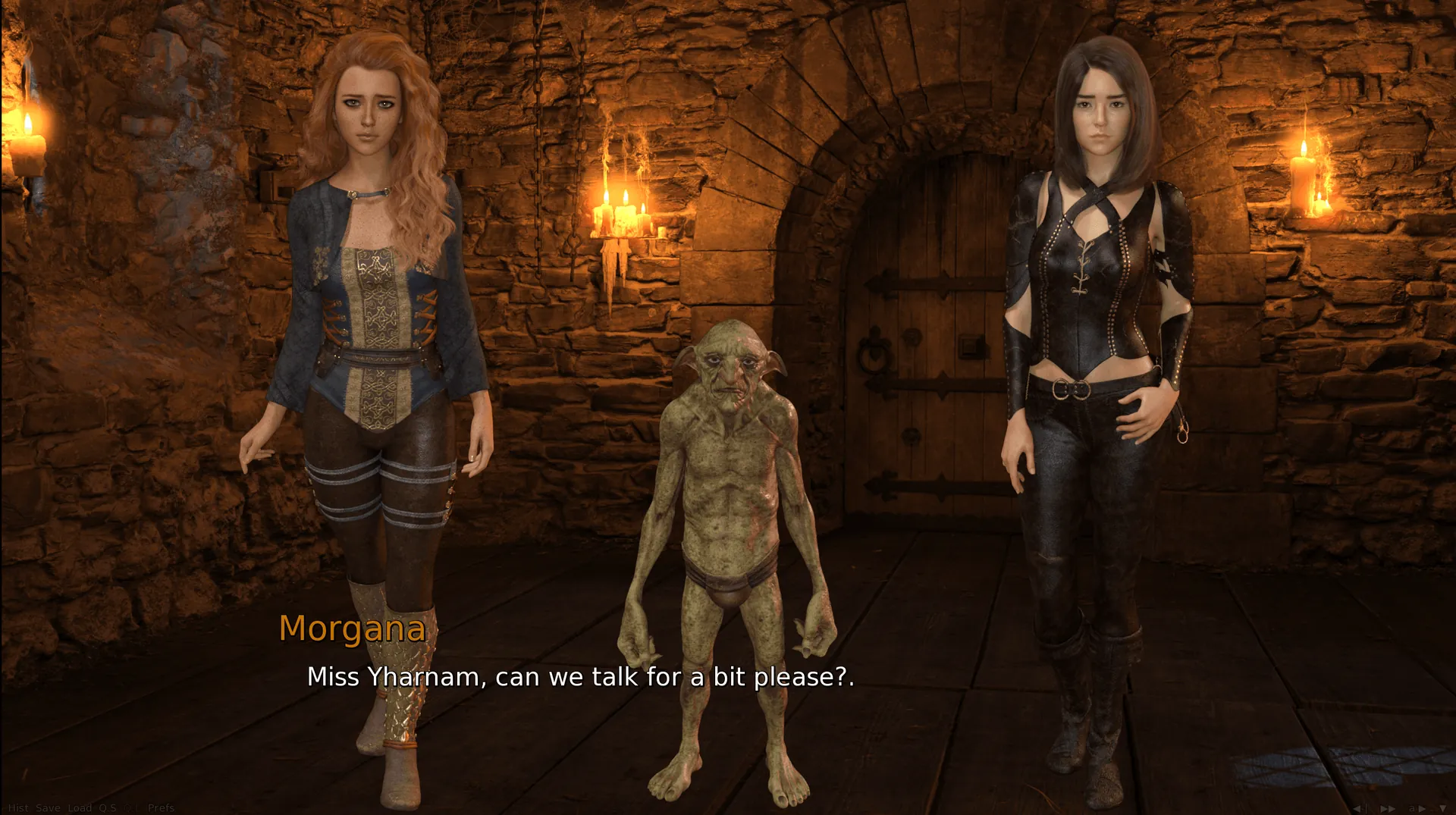
S.H.E.L.T.E.R. – An Apocalyptic Tale
Play S.H.E.L.T.E.R. – An Apocalyptic Tale
S.H.E.L.T.E.R. – An Apocalyptic Tale Screenshots










S.H.E.L.T.E.R. – An Apocalyptic Tale review
Explore the gripping story, meaningful choices, and mature themes in this unique survival experience
In a world ravaged by disaster, S.H.E.L.T.E.R. – An Apocalyptic Tale invites you to step into the shoes of a survivor tasked with rebuilding society—and navigating complex relationships—inside a makeshift refuge. This adult visual novel blends gritty storytelling with impactful decision-making, offering a mature take on the post-apocalyptic genre. Whether you’re drawn to its narrative depth, animated visuals, or the freedom to shape your own story through romance and survival choices, S.H.E.L.T.E.R. stands out as a memorable experience for fans of story-rich, choice-driven games. Let’s uncover what makes this title a standout in its category.
Gameplay and Story: Surviving the End of the World
What Is S.H.E.L.T.E.R. – An Apocalyptic Tale?
Picture this: you wake up in a cold, concrete room, the air thick with dust and the faint, metallic taste of fear. 🏚️ The world you knew is gone, replaced by a silent, gray landscape seen through a reinforced window. This is your new reality, and the only thing that matters from this moment on is the S.H.E.L.T.E.R. gameplay. This isn’t a game about running and gunning; it’s a post-apocalyptic visual novel that lives and breathes through the decisions you make. Your shelter isn’t just a location; it’s a character in itself, a fragile bastion of hope against the overwhelming despair outside. Your goal is simple, yet monumentally difficult: survive, and protect the small group of souls who now depend on you.
The core of this experience is deceptively simple. You read through beautifully illustrated scenes and engage in conversations with your fellow survivors. The tension doesn’t come from quick-time events, but from the quiet, agonizing moments before you select a dialogue option. Do you share your last can of food to build trust, or hoard it for your own uncertain future? This is the heart of the S.H.E.L.T.E.R. gameplay—a constant, psychological balancing act where every word and every action has weight. The survival story is not just about scavenging resources; it’s about managing the delicate ecosystem of human relationships in a pressure cooker environment. 😥
I remember my first playthrough vividly. A character named Eli, a quiet man with a hacking cough, asked me for an extra blanket. It seemed like a small thing. I had one to spare, but a voice in my head whispered about future shortages and the cold months ahead. I said no. I watched his disposition toward me shift from “Neutral” to “Distrustful.” Weeks later, when a critical vote was held on whether to banish a sick member to conserve resources, Eli voted against me. My “small” decision had created an enemy, and it cost someone their life. That’s the power of this post-apocalyptic visual novel; it makes you feel the long-term consequences of what you might consider trivial choices.
How Choices Shape Your Experience
Forget skill trees and experience points. Your progression in this world is measured in trust, resentment, alliances, and betrayals. The meaningful choices you are forced to make are the true engine of the game. This isn’t an illusion of choice; the narrative branches here are real, substantial, and often lead to wildly different outcomes for your shelter and its inhabitants. 🧭
Let’s break down a hypothetical scenario to see this in action:
You’re the de facto leader of a group of seven survivors. Your scavenging team returns with two items: a sealed crate of antibiotics and a small, functioning solar panel. Both are incredibly valuable. The antibiotics could save a child who is running a fever, but the solar panel could provide a reliable, low-power light source for the long, dark nights, drastically improving morale. You can only allocate resources to secure one. Which do you choose?
If you choose the antibiotics, you save the child. The parents become your staunchest allies, but the shelter remains a grim, dark place. Morale slowly erodes. People become withdrawn and depressed. A different, more pragmatic survivor might question your leadership, arguing you prioritized one life over the long-term psychological health of the group.
If you choose the solar panel, the child dies. The atmosphere in the shelter becomes heavy with grief and accusation. The parents may never speak to you again, or worse, they might seek revenge. However, the reliable light source becomes a symbol of stability. People gather around it, conversations happen, and a fragile sense of community begins to form out of the shared light in the darkness.
This single decision creates a fork in the road, and each path is paved with its own unique challenges and character developments. This is the brilliance of the game’s design. The replay value is immense because you are constantly wondering, “What if I had done it the other way?” You’re not just replaying for a different ending screen; you’re exploring an entirely different version of the survival story.
To illustrate how these decisions compound, here’s a look at some potential narrative pathways:
| Your Major Decision | Immediate Consequence | Long-Term Narrative Branch |
|---|---|---|
| Execute a thief to set an example | Fear and order in the shelter | Group becomes more disciplined but less compassionate; mutiny risk increases |
| Spare the thief and give them a second chance | Initial relief and hope | Trust is tested; the thief may redeem themselves or betray you later |
| Share critical information with the whole group | Transparency builds collective trust | |
| Keep the information secret to avoid panic | You maintain control | If the secret is discovered, your leadership is permanently undermined |
🤯 The game masterfully weaves these threads together. You aren’t just managing stats on a screen; you are living with the emotional fallout. This complex web of narrative branches ensures that no two stories are ever the same, making the pursuit of a “perfect” ending a deeply personal and often heartbreaking journey.
The Emotional Core: Storytelling and Themes
While the mechanics of choice are the skeleton of the game, its soul is the emotional storytelling. This isn’t a power fantasy; it’s a raw, unflinching look at the human condition when stripped down to its bare essentials. The post-apocalyptic visual novel format is the perfect vehicle for this, allowing for deep character development and quiet, introspective moments that most action-oriented games simply can’t accommodate. 😢
The themes are mature and thought-provoking. The game forces you to confront difficult questions: What does it mean to be human when humanity has all but vanished? Is it better to be a good person in a dying world, or a survivor? How much of your old morality are you willing to sacrifice for the chance to see tomorrow? The S.H.E.L.T.E.R. gameplay constantly puts these philosophical dilemmas into practical, immediate terms. You don’t just think about scarcity; you live it. You don’t just ponder loss; you experience it through the characters you’ve grown to care about.
The relationships you build are everything. A conversation over a shared memory of chocolate cake can be as impactful as finding a cache of supplies. I formed a bond with an elderly woman who tended a small, struggling plant in the corner of the shelter. It was a symbol of life, of a past worth remembering. When she fell ill, my decision to use precious medical supplies on her wasn’t a statistical calculation; it was an emotional one. I was trying to save a memory. This level of connection is what elevates the survival story from a simple tale of endurance to a profound exploration of hope and despair.
“I thought I was prepared to make the hard calls. I’d played survival games before. But S.H.E.L.T.E.R. is different. There’s no ‘game over’ screen, just the quiet, lingering guilt of your decisions. I had to turn away a lone, starving woman at our door to protect our limited food. The game didn’t punish me with a mechanic; it punished me by having her face haunt my thoughts for the rest of the playthrough. I had to stop playing for a day just to process it. That’s not just a game; that’s an experience.”
This player testimonial captures the essence of what makes this title so special. The emotional storytelling resonates because it feels authentic. The characters have depth, flaws, and dreams that extend beyond the walls of the shelter. Your investment in them is what gives your meaningful choices their incredible weight. You aren’t just trying to “win”; you’re trying to build a sliver of a future worth living in, and you will carry the memory of your successes and failures long after you’ve put the game down. ✨
Ultimately, the replay value of S.H.E.L.T.E.R. – An Apocalyptic Tale doesn’t just come from wanting to see different endings. It comes from a desire to reconnect with these characters, to test your own moral compass under different pressures, and to experience the powerful, poignant, and unforgettable emotional storytelling all over again from a new perspective. It’s a journey that challenges not just your strategic mind, but your very soul.
S.H.E.L.T.E.R. – An Apocalyptic Tale offers a distinctive blend of survival drama, meaningful choices, and mature storytelling that sets it apart in the visual novel genre. Its emphasis on character relationships, moral complexity, and player agency creates a deeply personal experience with high replay value. While it may not appeal to everyone—especially those seeking traditional gameplay—fans of narrative-driven, choice-heavy adventures will find much to appreciate. If you’re ready to explore the emotional and strategic challenges of rebuilding society in the aftermath of disaster, S.H.E.L.T.E.R. invites you to step inside its shelter and discover what kind of leader—and person—you’ll become.