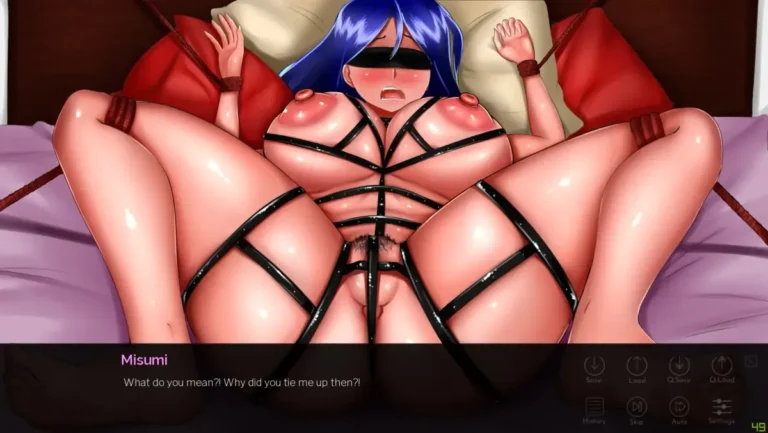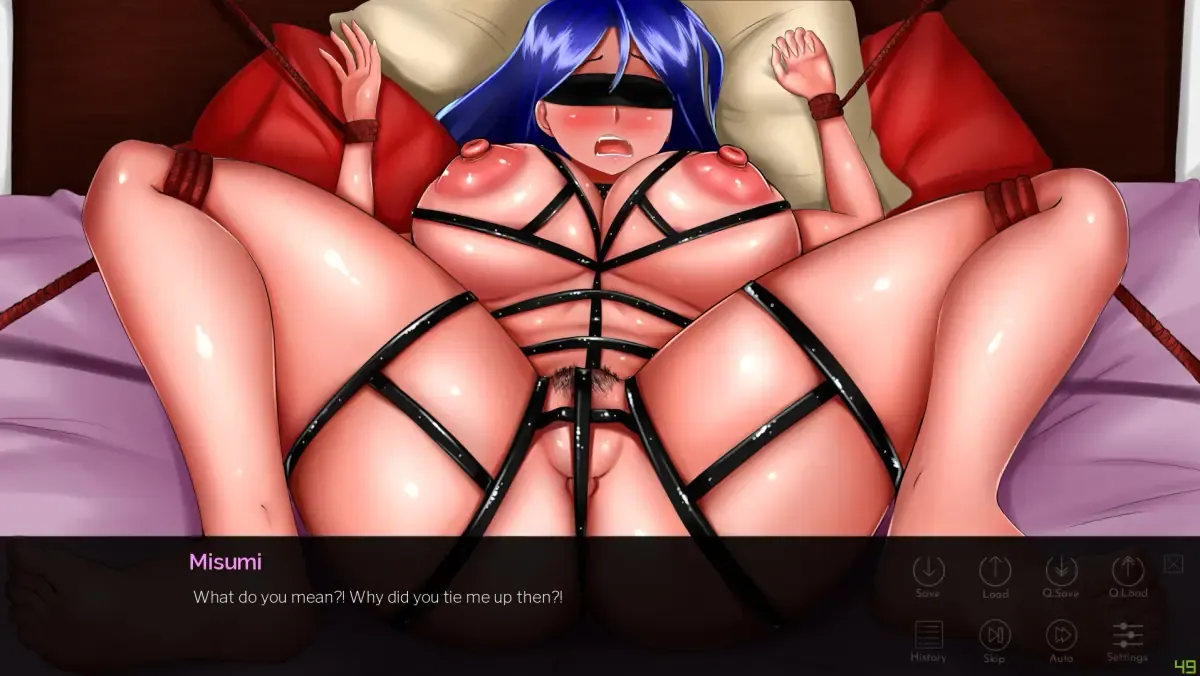
Netorare Wife Misumi – Lustful Awakening
Play Netorare Wife Misumi – Lustful Awakening
Netorare Wife Misumi – Lustful Awakening Screenshots


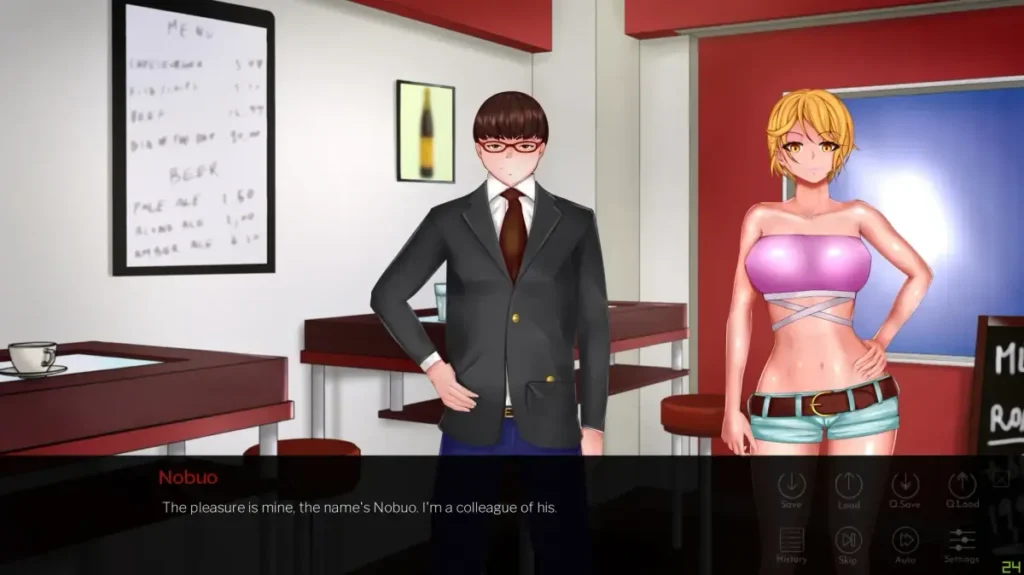


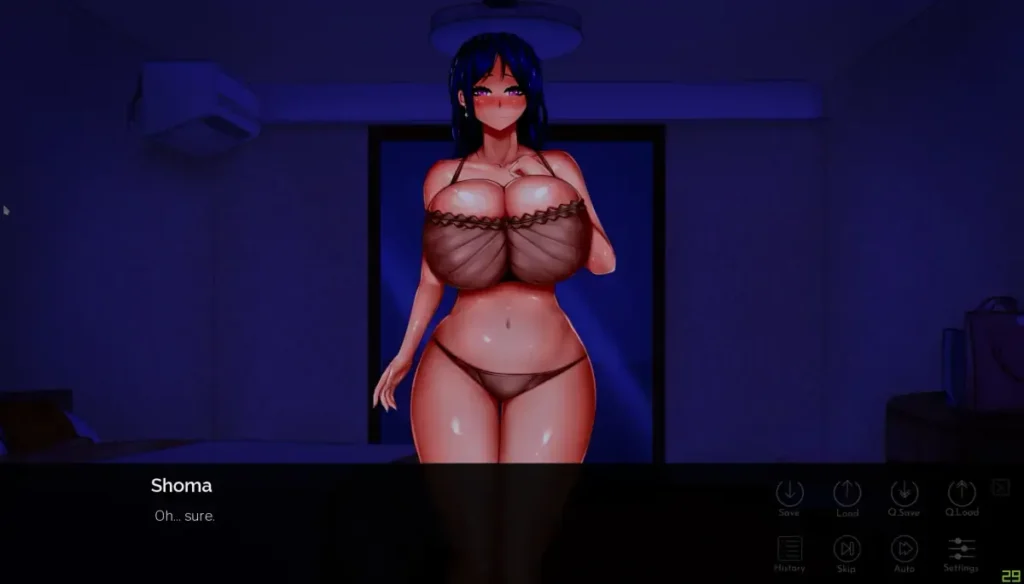

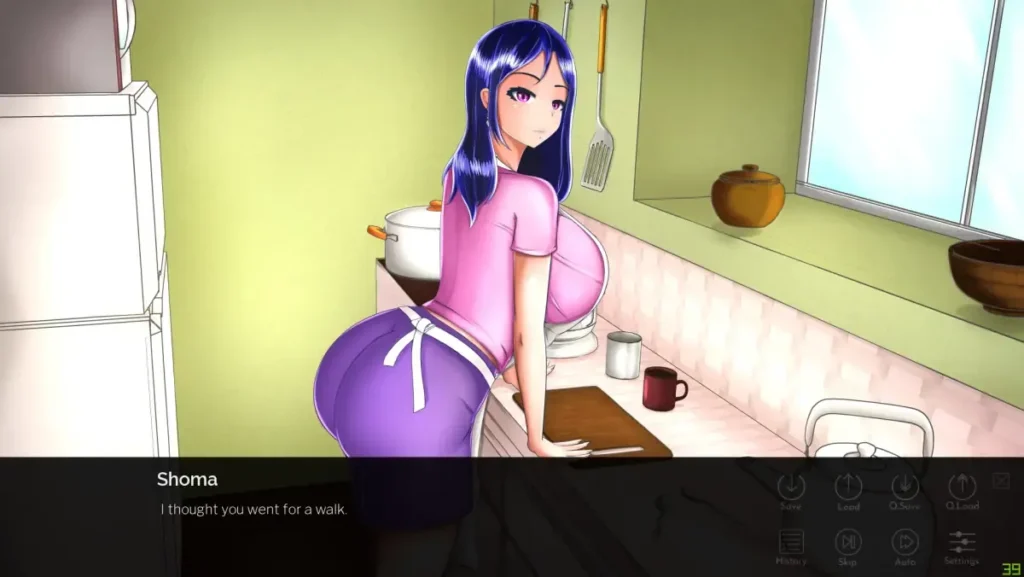
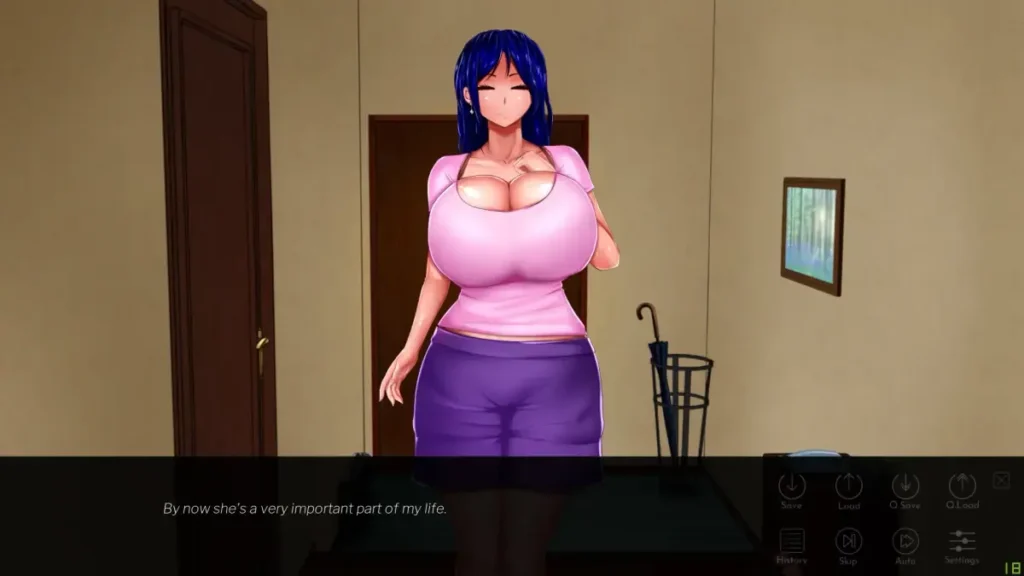
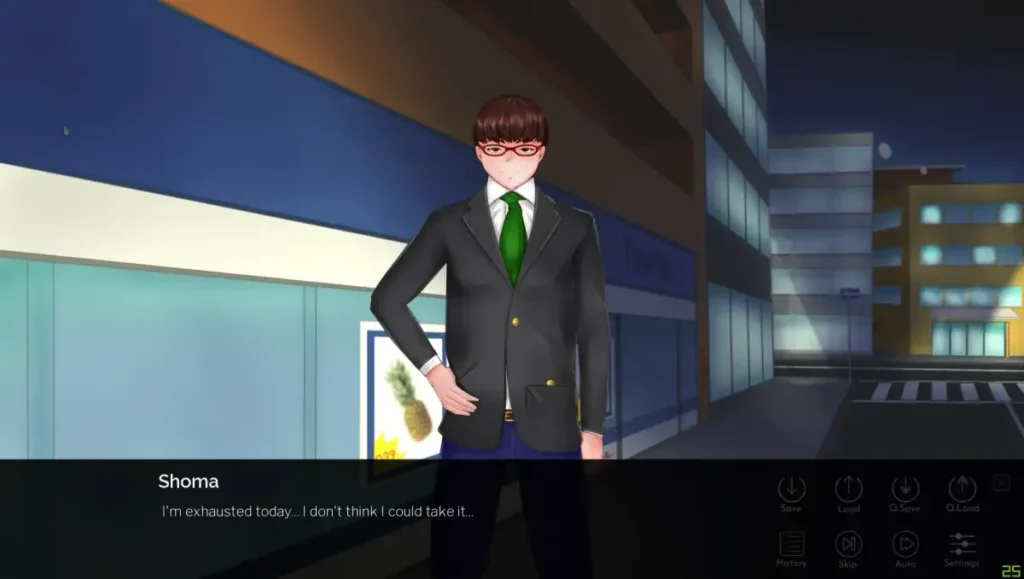

Netorare Wife Misumi – Lustful Awakening review
Explore storylines, characters, and gameplay mechanics in this choice-driven visual novel
Netorare Wife Misumi – Lustful Awakening is a choice-driven visual novel that explores themes of desire, loyalty, and personal transformation. Originally released in 2021 and developed by Azienda, this adult game follows the story of newlyweds Misumi and Shoma as their peaceful life takes an unexpected turn. The game features multiple branching narratives leading to eleven distinct endings, immersive 2D artwork, and player decisions that fundamentally shape character relationships and story outcomes. Whether you’re interested in understanding the narrative structure, character dynamics, or gameplay mechanics, this comprehensive guide covers everything you need to know about this compelling visual novel experience.
Story Overview and Character Dynamics in Netorare Wife Misumi
Imagine moving into your dream home with the love of your life, only to find that the foundation isn’t as solid as you thought. 😔 That’s the delicate, gut-wrenching premise Netorare Wife Misumi – Lustful Awakening drops you into. This isn’t just a story about infidelity; it’s a deep, psychological exploration of a marriage under a microscope, where every glance, every unsaid word, and every choice you make can alter destinies.
I remember playing my first choice-driven narrative game years ago and being blown away by the power it gave me. But Netorare Wife Misumi takes that a step further. It doesn’t just let you steer the plot; it makes you intimately complicit in the emotional unraveling of its characters. The Netorare Wife Misumi story is a masterclass in building tension, focusing not on shock value, but on the quiet, devastating moments of doubt and desire. Let’s pull back the curtain on this compelling drama.
The Setup: How the Story Begins
The game opens on a note of hopeful tranquility. 🏡 Newlyweds Misumi and Shoma have just secured their first apartment together, a symbol of their fresh start and shared future. To help with expenses and perhaps out of familial closeness, Shoma’s cousin, Chiyo, moves in with them. The early days are filled with the gentle rhythm of domestic life: shared meals, lighthearted conversations, and the comforting, if sometimes routine, bond of marriage.
This peaceful existence is meticulously established for a crucial reason—it gives you, the player, a stake in what comes next. You see the good in their relationship, the genuine affection between Misumi and Shoma. This makes the incoming disruption far more impactful than if the marriage was already shown as troubled.
The catalyst for the entire Netorare Wife Misumi plot arrives in the form of Isao, the new neighbor. He isn’t introduced as a villain. Instead, he’s charismatic, confident, and brings a wave of unpredictable energy into their orderly world. His presence acts like a stone thrown into a still pond. The initial ripples are subtle—a lingering conversation, a shared laugh that feels a bit too intimate, an offer of help that crosses a simple neighborly boundary.
From my experience with these narratives, the most effective tension comes from almost innocent beginnings. It’s the “what if” that a character allows themselves to ponder that truly starts the journey.
This setup is the brilliant core of this choice-driven narrative game. The story doesn’t force conflict; it invites it. It presents scenarios where you, guiding Misumi or Shoma, must make seemingly small decisions. Do you accept Isao’s invitation for a casual drink? Do you voice your slight discomfort to your spouse, or do you brush it off as insecurity? These micro-choices are where the game truly shines, slowly building the architecture of the upcoming drama. The initial premise is a perfectly balanced scale, and Isao’s arrival is the weight that begins to tip it, with your choices deciding which side ultimately falls.
Main Characters and Their Roles
The heart and soul of this experience are its visual novel characters. They are not archetypes but complex, flawed individuals whose motivations feel painfully human. Understanding their roles is key to navigating the emotional minefield of the story.
Misumi is, without question, the protagonist and the lens through which we experience much of the turmoil. She is a devoted wife who genuinely loves Shoma, but her identity has become deeply entwined with her role as “Shoma’s wife.” The story probes at this: Who is Misumi outside of that partnership? Her Misumi character development forms the spine of the game. It’s a journey of self-discovery and awakening, where she begins to confront her own desires, curiosities, and sense of self-worth that may exist separately from her marriage. Is her loyalty a conscious choice, or an unexamined habit? The game forces her—and you—to ask these tough questions.
Shoma, the husband, is loving but can fall into the trap of complacency. He’s comfortable, perhaps taking the stability of his marriage for granted after the initial newlywed phase. His role is crucial because he is not a “bad” husband, which makes the situation more tragically realistic. His occasional emotional or attentional distance creates tiny voids, spaces that uncertainty and temptation can grow in. His journey is one of potential awakening, too—realizing the active effort required to nurture a partnership.
Chiyo, the cousin, serves as the supportive friend and often, the observer. Living in the same apartment, she has a front-row seat to the shifting dynamics. She can be a confidante to both Misumi and Shoma, offering advice or simply a listening ear. Her perspective is valuable because she cares for both parties, and her reactions can mirror the player’s own divided feelings about the unfolding events.
Isao is the disruptive force, the catalyst. His role isn’t to be a mustache-twirling seducer, but rather a person who represents a different path—one of excitement, spontaneity, and raw attraction. He is magnetic and unapologetically himself, which stands in stark contrast to the settled domestic life. He challenges the status quo simply by existing within it, forcing other characters to examine what they truly want.
To see how these personalities interact and clash, here’s a breakdown of the core cast:
| Character | Role in the Story | Key Personality Traits |
|---|---|---|
| Misumi | The Protagonist & Wife | Devoted, introspective, curious, seeking identity, emotionally vulnerable |
| Shoma | The Husband | Loving, comfortable, occasionally complacent, trusting, reactive |
| Chiyo | The Confidante & Cousin | Supportive, observant, empathetic, neutral party, voice of reason |
| Isao | The Catalyst & Neighbor | Charismatic, confident, disruptive, straightforward, represents temptation |
The magic of the visual novel character relationships lies in their fluidity. These aren’t static roles. Through your choices, Chiyo can become more involved or distant, Shoma can become more attentive or suspicious, and the connection between Misumi and Isao can range from polite avoidance to dangerous intimacy. The entire social dynamic is a playable ecosystem.
Central Themes and Narrative Conflict
At its core, Netorare Wife Misumi – Lustful Awakening is a powerful study of opposing forces within the human heart. The central game themes loyalty desire are not presented as a simple good vs. evil battle, but as two compelling, often painful, human experiences that can coexist and war with each other.
“Is it possible to hold commitment in one hand and yearning in the other, without both slipping through your fingers?”
This question haunts every scene. The game brilliantly explores the distinction and connection between emotional versus physical fidelity. Is a secret thought a betrayal? Is a moment of intense attraction, even if not acted upon, a crack in the foundation of loyalty? The narrative suggests that the emotional landscape can be even more treacherous than the physical. A hidden longing or a growing emotional connection with someone else can create a distance between partners that is harder to bridge than a single mistake.
The primary narrative conflict stems from this internal and external struggle. Externally, it’s the tension introduced by Isao’s presence into the couple’s stable world. Internally, it’s Misumi’s (and to a degree, Shoma’s) conflict between the safe, familiar love they have built and the thrilling, unknown desire that tempts them. The game asks: Can you truly miss what you’ve never had? And if you start to want it, what does that say about what you already possess?
This ties directly back to Misumi character development. Her “lustful awakening” is as much about intellectual and emotional awakening as it is about physical attraction. It’s about awakening to her own agency, her separate desires, and the frightening realization that she is an individual capable of making choices that could break her own world. Is her journey one of liberation or destruction? The beauty of this choice-driven narrative game is that it lets you explore both possibilities.
The storytelling technique of showing events from multiple perspectives is a masterstroke. 🎭 You might see a scene from Misumi’s view, filled with confusion and a flicker of excitement, and then later see Shoma’s perspective of the same event, where he notices only his wife’s distraction and feels a vague, unplaceable worry. This builds immense dramatic irony and empathy for all sides, making your choices as the player incredibly difficult. You understand the hidden feelings and silent screams that other characters do not.
In the end, playing through the Netorare Wife Misumi story is like conducting a delicate, emotional experiment. You adjust variables of choice, communication, and secrecy, and observe the profound effects on this web of visual novel character relationships. It’s a gripping, often uncomfortable, but always fascinating exploration of what happens when the quiet life you’ve built meets the loud call of who you might still become. Whether you guide Misumi toward reaffirming her commitment or exploring her newfound desires, the journey will leave you contemplating the fragile, complex nature of love and loyalty long after you close the game. 🤔💖
Netorare Wife Misumi – Lustful Awakening stands out as a sophisticated choice-driven visual novel that combines engaging narrative with meaningful player agency. The game’s exploration of complex themes like loyalty, desire, and personal transformation creates an emotionally resonant experience that extends beyond typical adult game offerings. With eleven distinct endings, multiple branching paths, and character-driven storytelling, the game encourages players to engage deeply with its narrative and replay it multiple times to experience different outcomes. The minimalist 2D artistic style effectively complements the intimate storytelling, while the choice-based mechanics ensure that each player’s journey feels personalized and consequential. Whether you’re drawn to the character dynamics, the thematic depth, or the interactive storytelling elements, Netorare Wife Misumi – Lustful Awakening offers a compelling experience that rewards careful attention to dialogue, character relationships, and decision-making throughout the game.