Homelander
Play Homelander
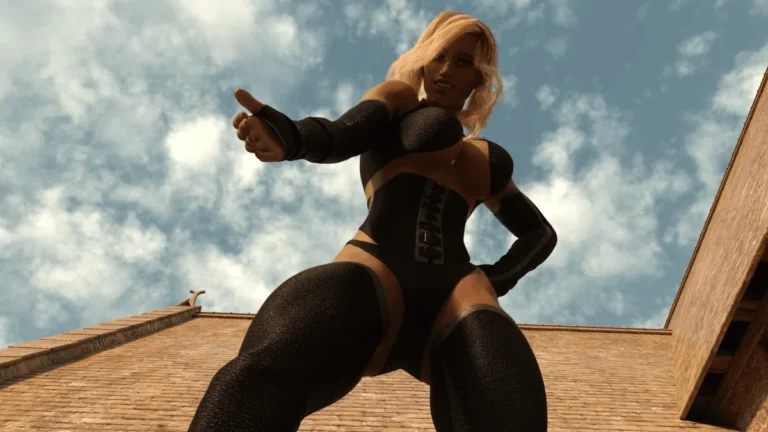
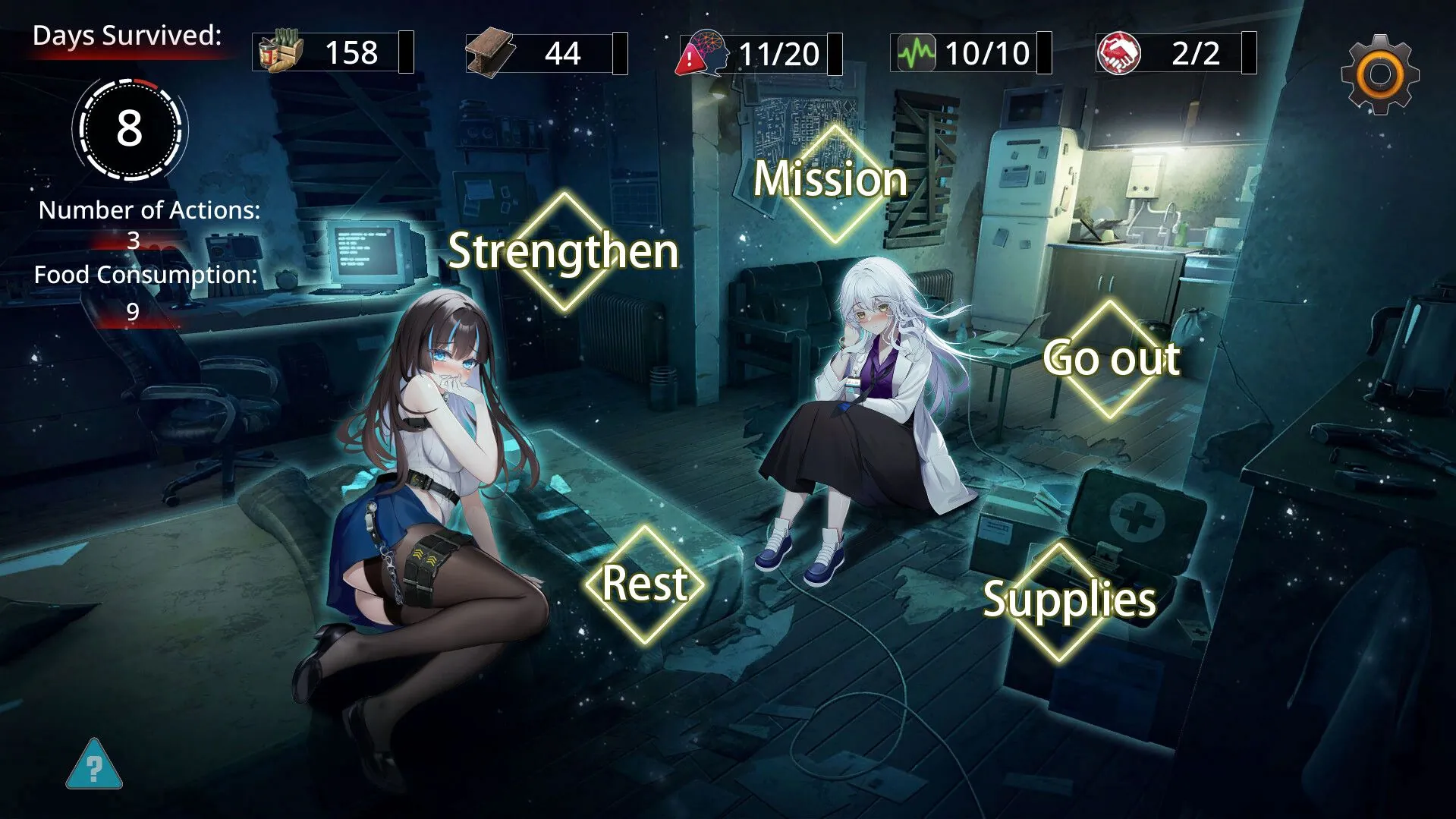
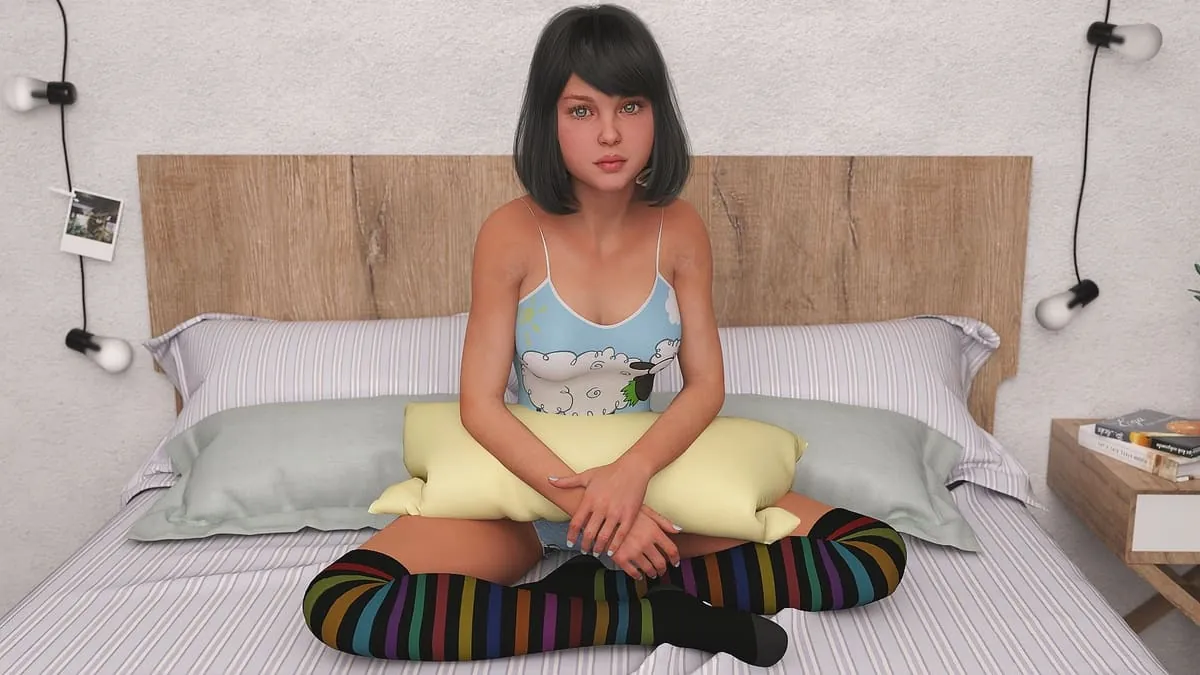
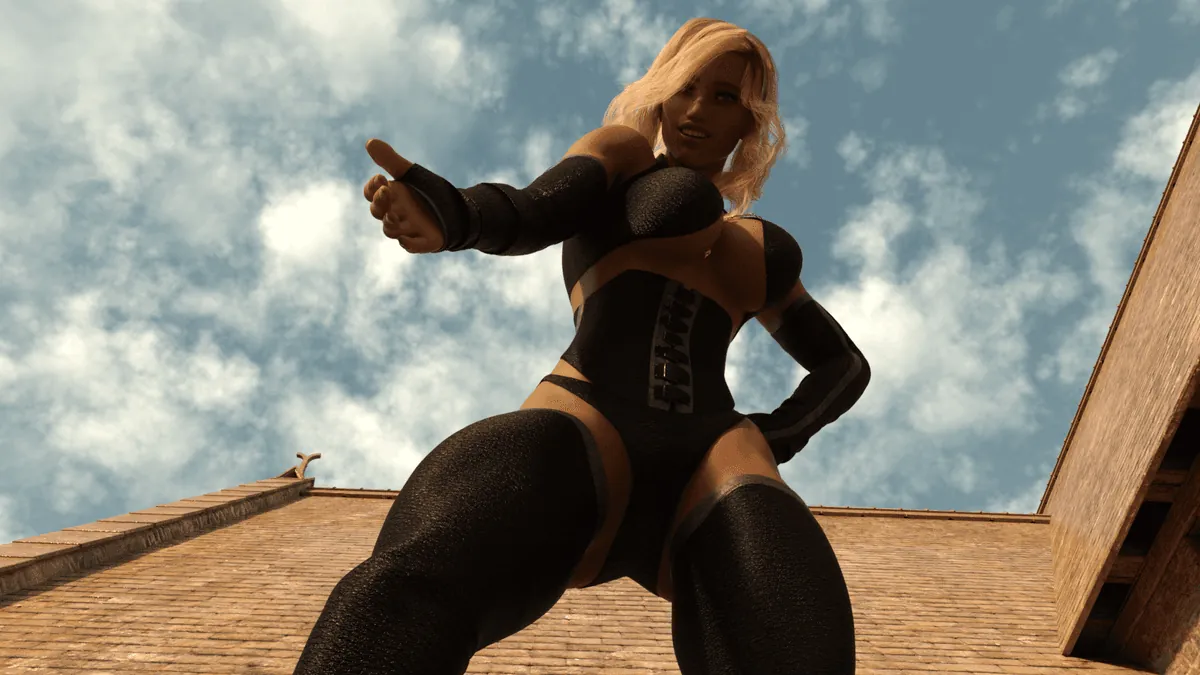
Homelander Screenshots
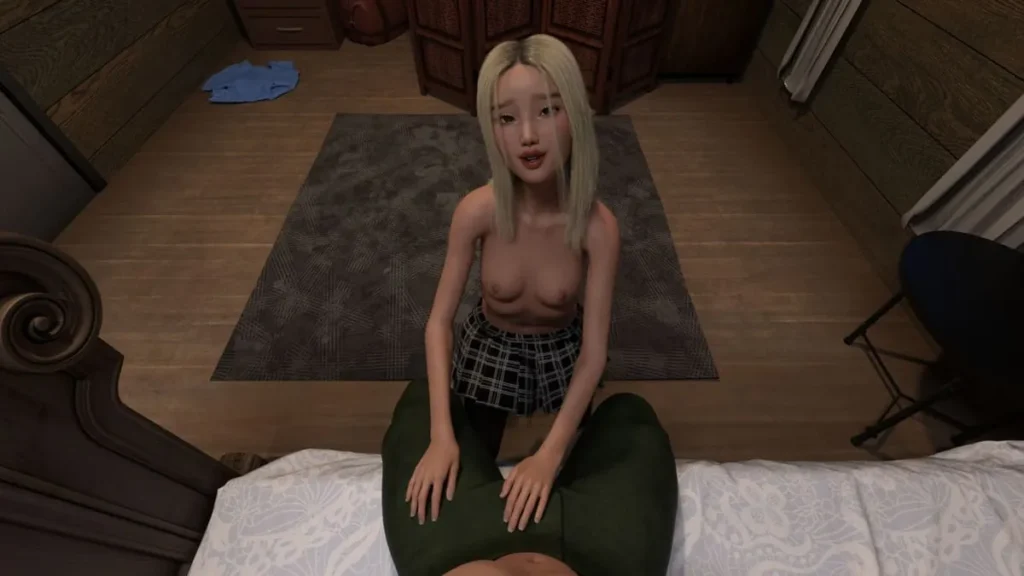
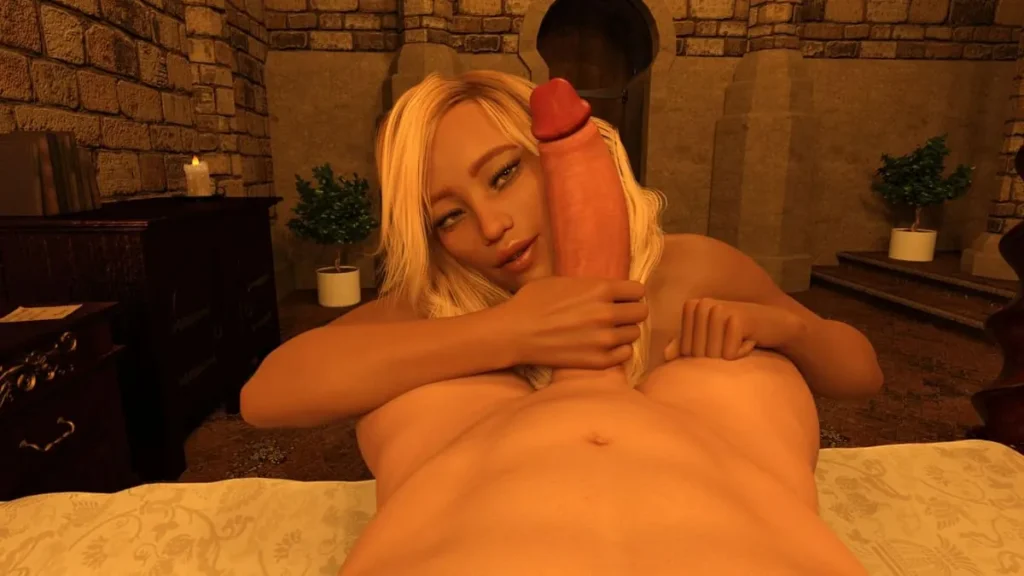

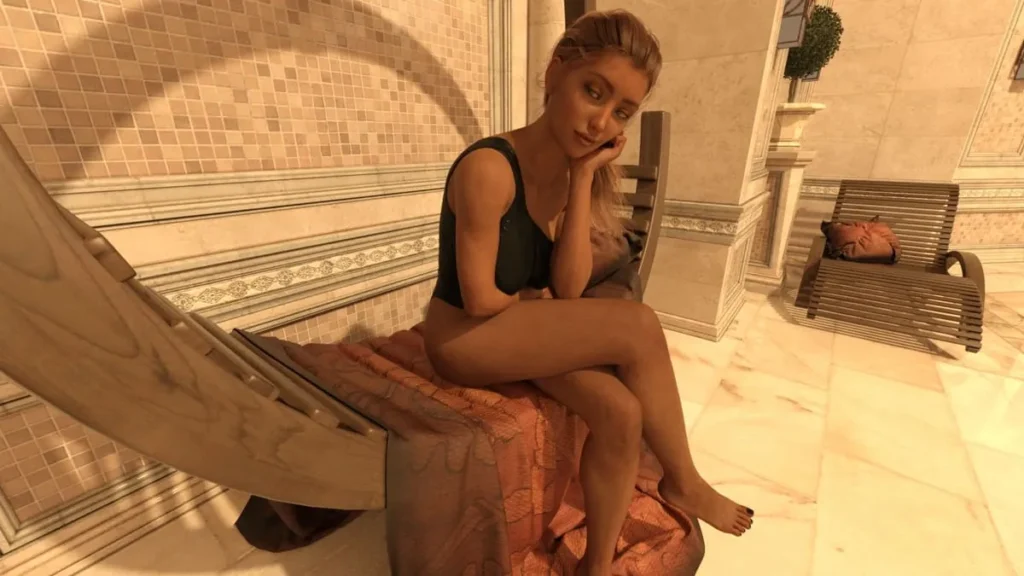
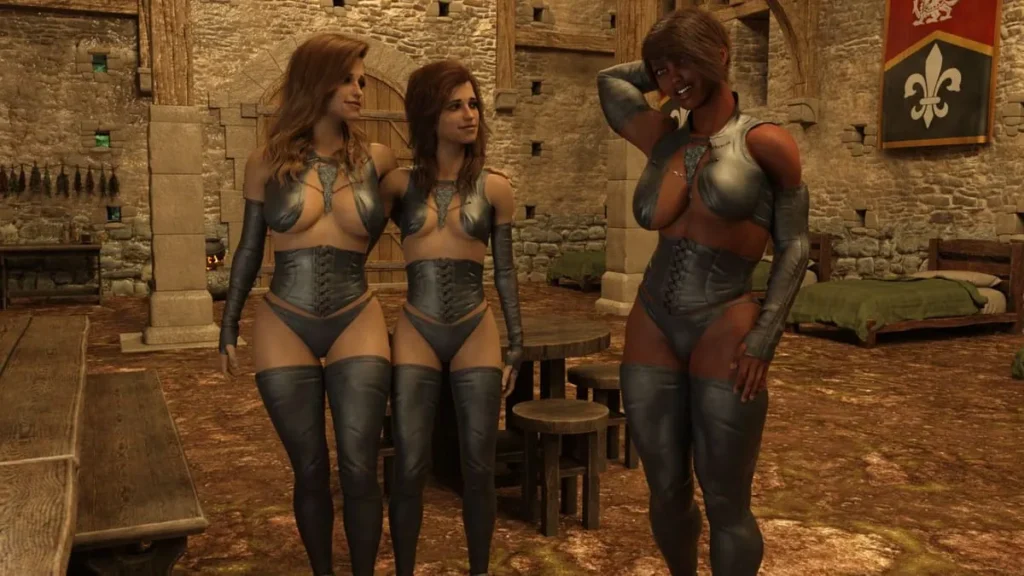
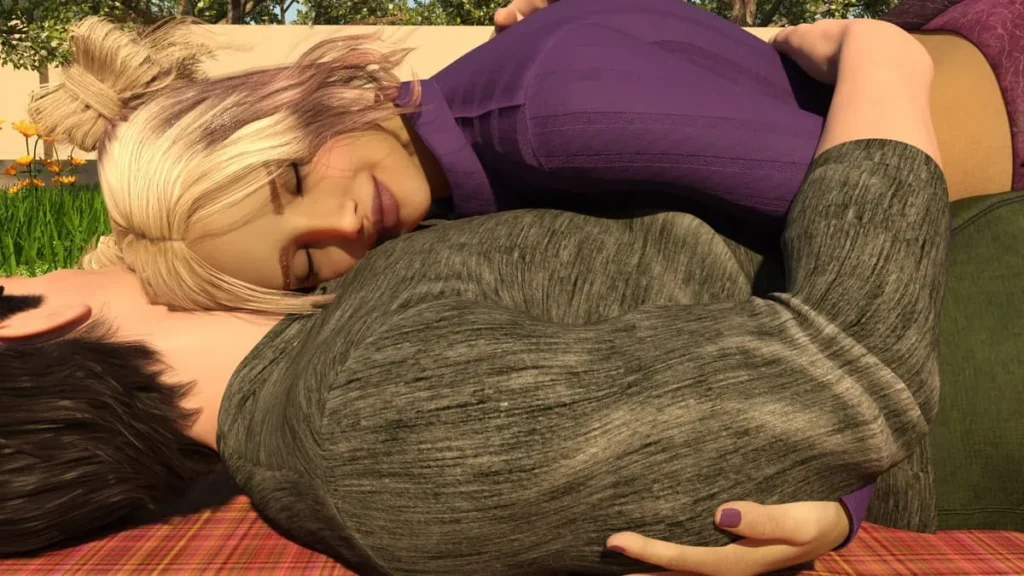
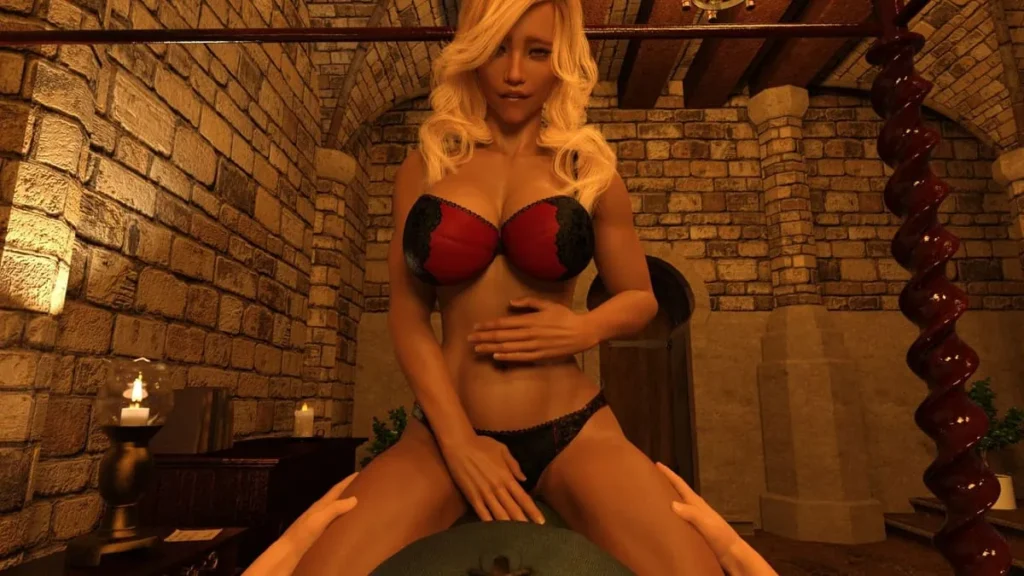
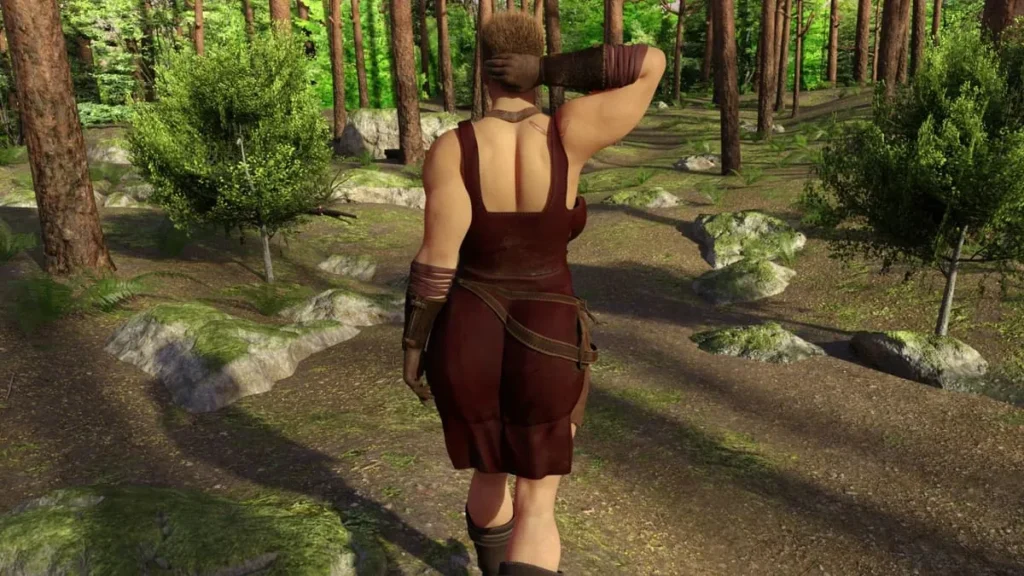
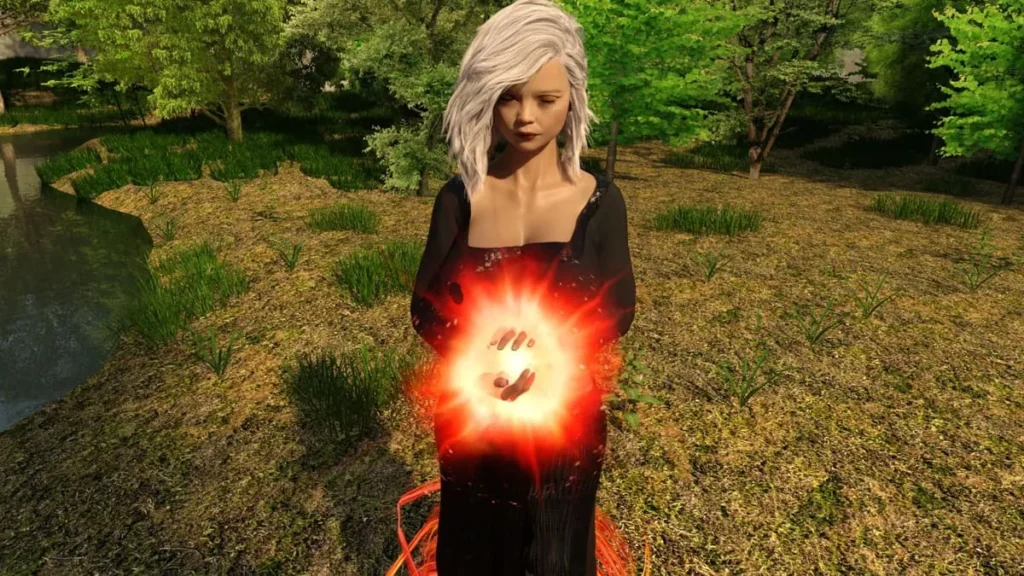
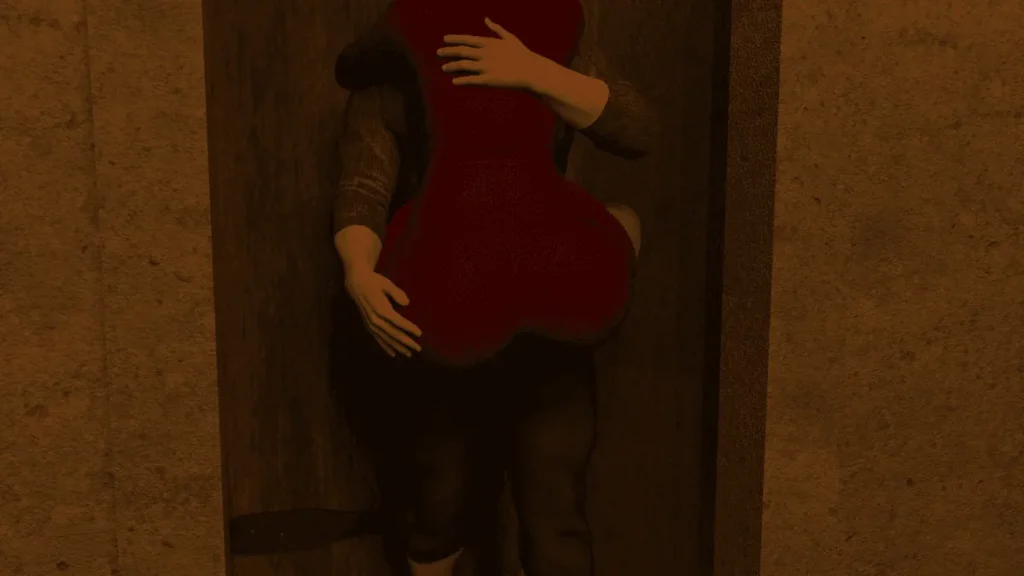
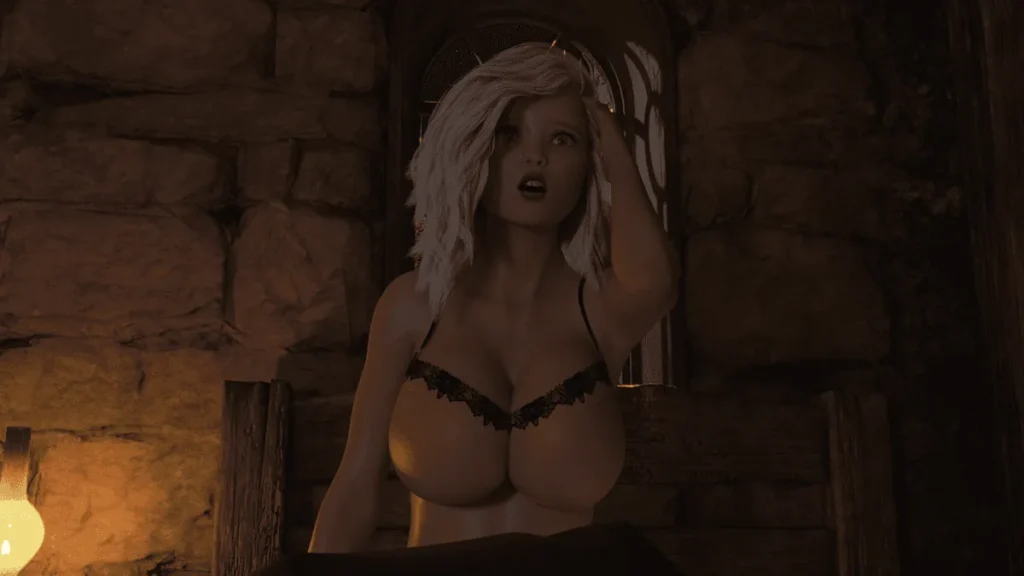
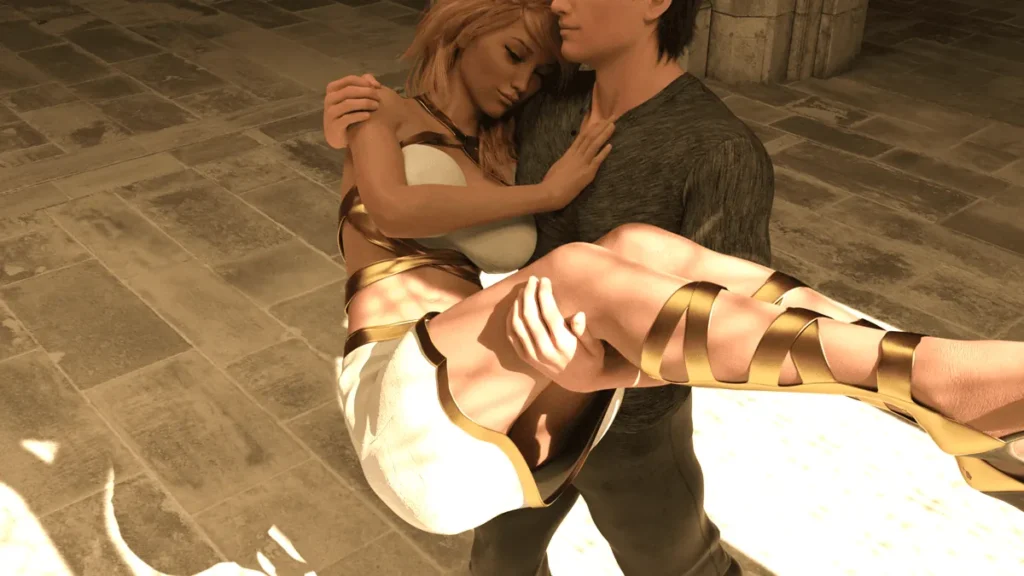
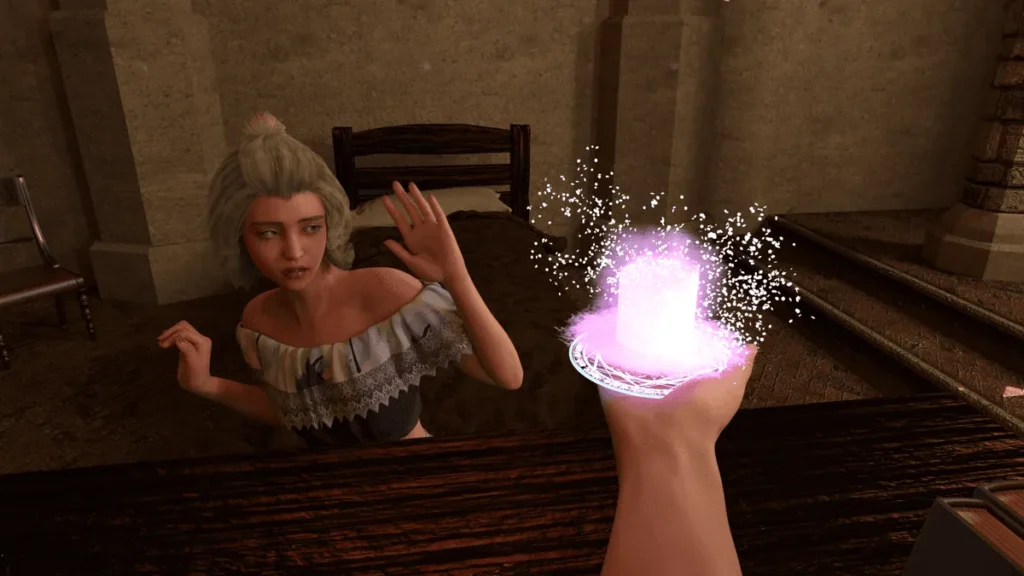
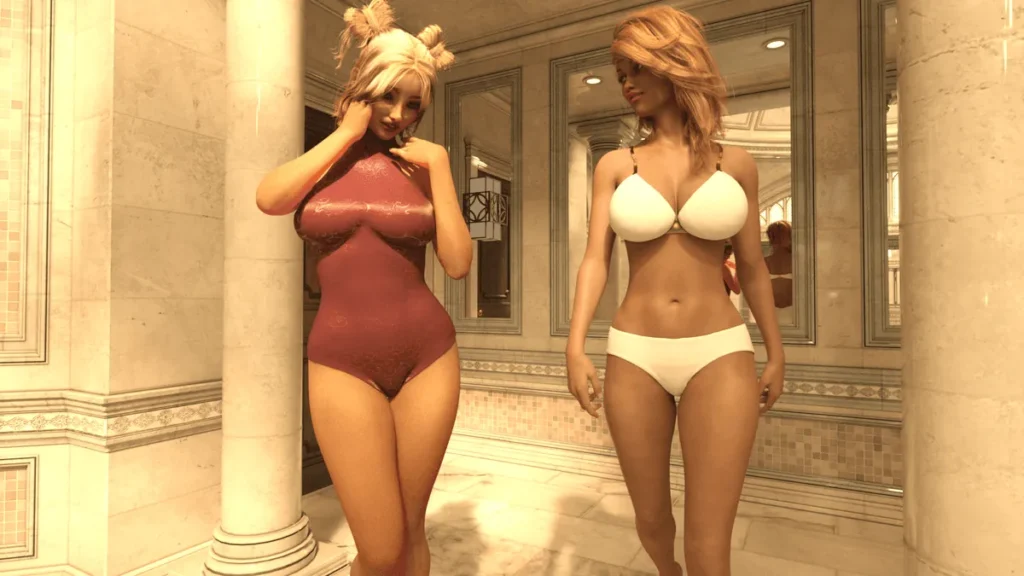
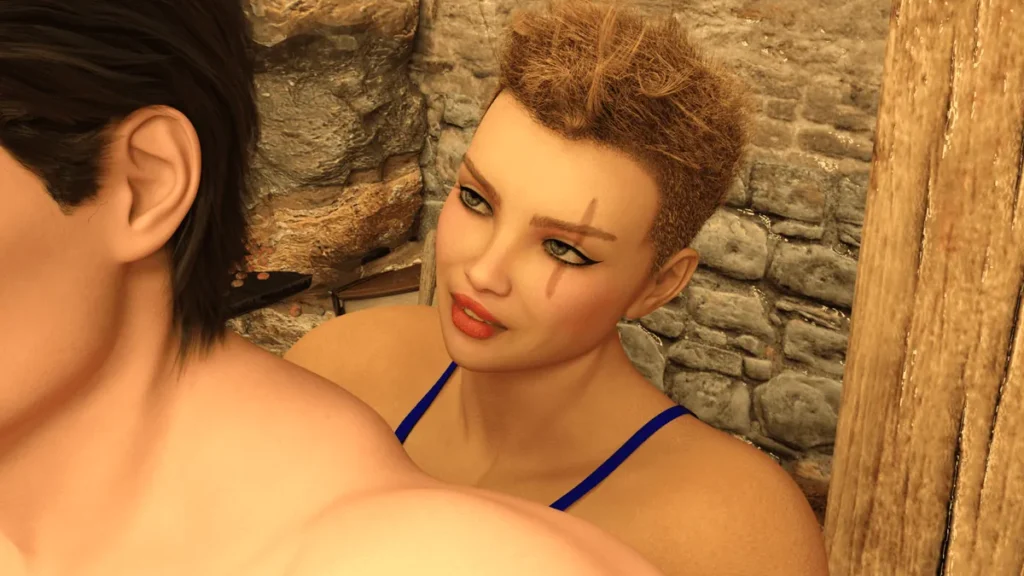
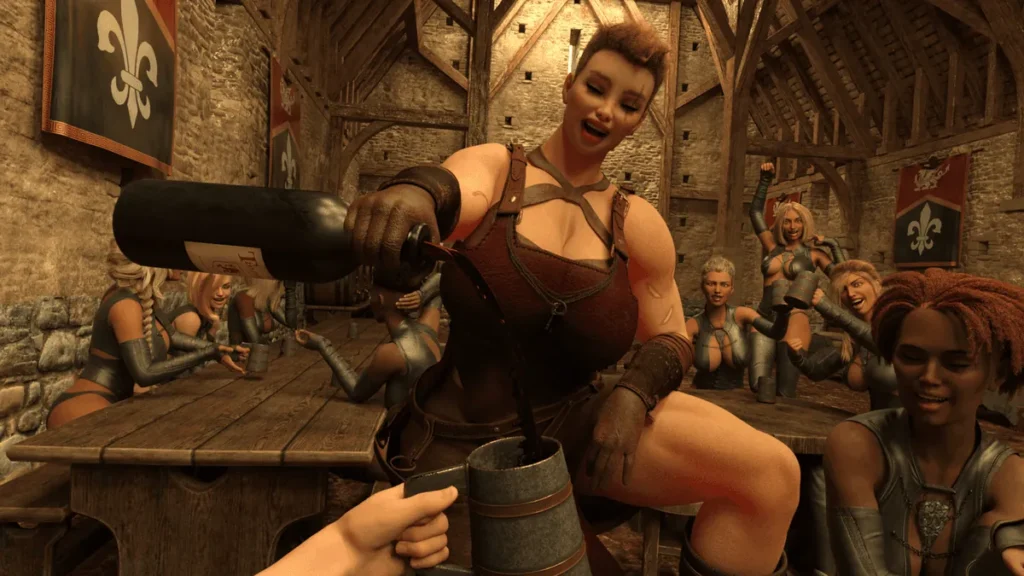
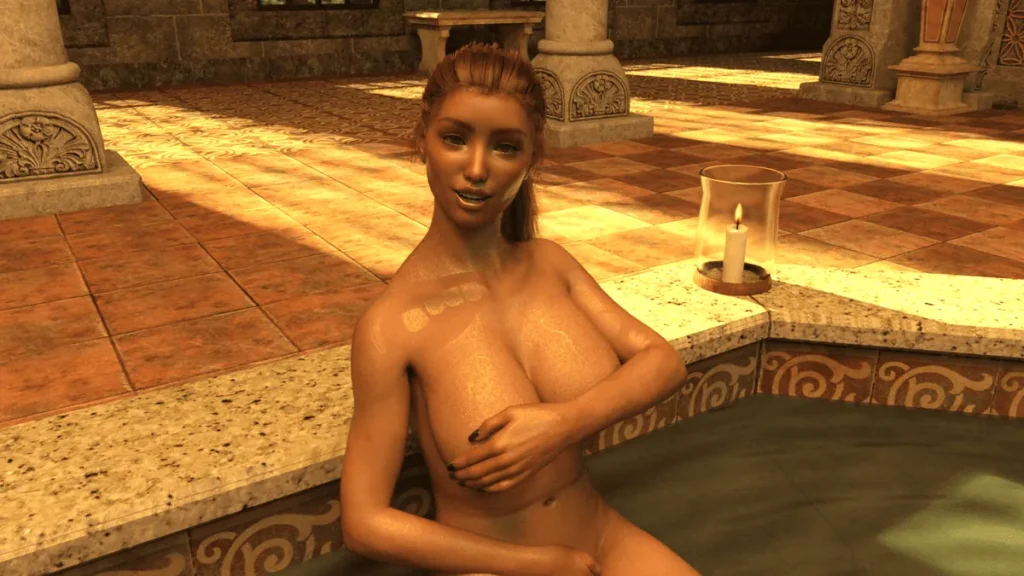
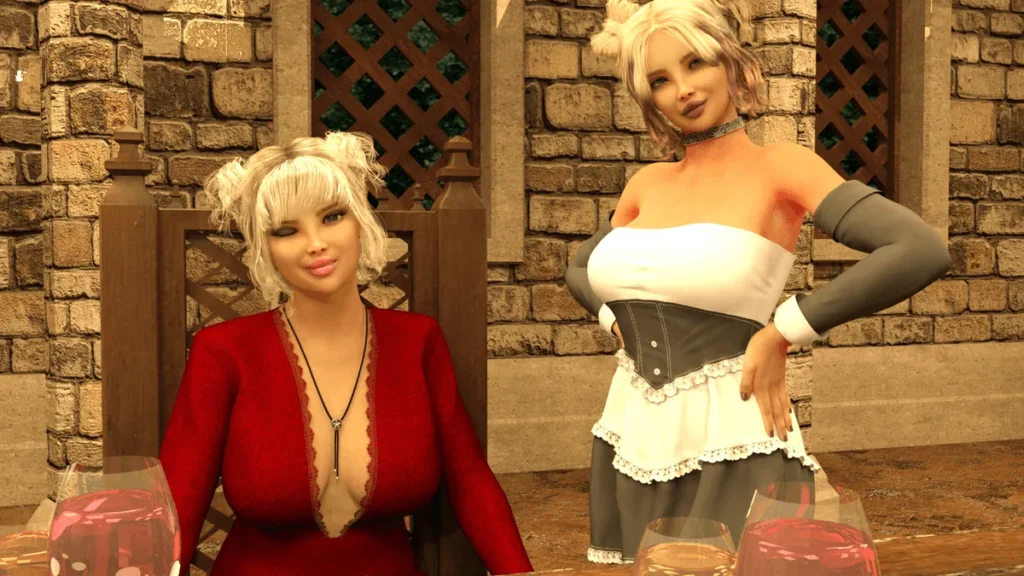
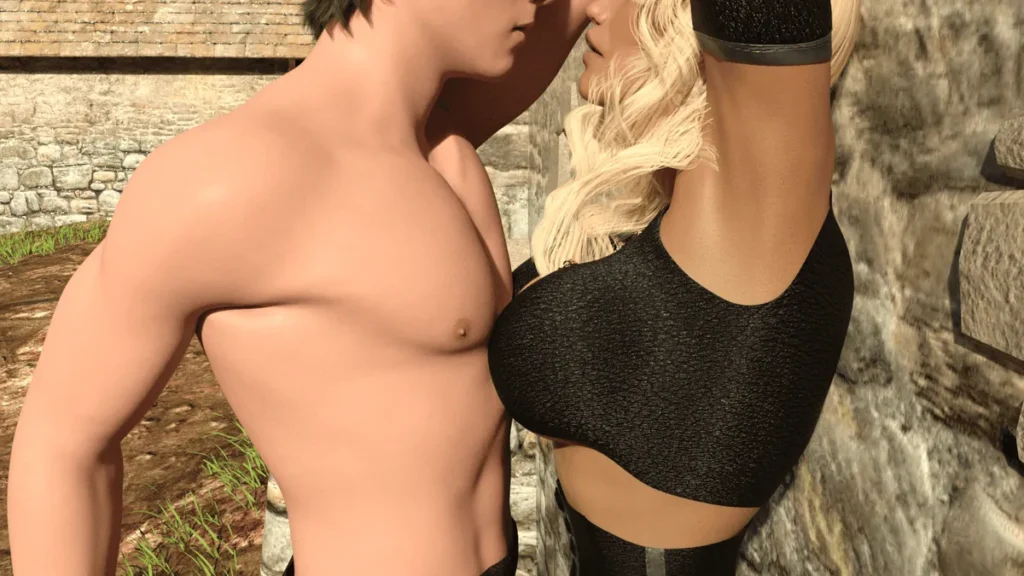
Homelander review
A personal, practical look at the Homelander interactive fantasy story and its mature themes
Homelander is an adult fantasy game that blends a branching visual novel with light role-playing and a rich, mysterious world. From the first moments, you step into the shoes of a young man whose life was shattered by tragedy and reshaped by a chance encounter with a powerful stranger. As you explore strange lands, meet exotic races and build intimate bonds, Homelander invites you to guide both the story and the relationships through your decisions. In this article, I’ll share what makes the game stand out, how its mature scenes support the narrative, and what you can realistically expect before installing it.
What Is Homelander and Why Has It Become So Talked About?
Let’s be honest, the internet is flooded with fantasy games promising epic adventures. But how many of them actually deliver a mature fantasy game that treats its story and characters with the same weight as its, well, mature elements? 👀 Not many. That’s exactly why Homelander has been buzzing in corners of the gaming community dedicated to narrative depth. It’s not just another title; it’s a full-blown adult fantasy visual novel that hooked me with its premise and kept me invested with its consequences.
So, what’s the deal? If you’re asking “is Homelander worth playing” purely for a deep, choice-driven tale, the answer is a fascinating “maybe, but let me explain why.” This Homelander gameplay overview will cut through the hype and give you my personal, practical take.
A dark fantasy coming‑of‑age tale with adult twists
You start with a simple, brutal tragedy. You play a young man who has carried the weight of loss since childhood, your family taken from you early. The world is a sprawling, dangerous fantasy realm I instantly loved—think towering, ancient forests bordering deserts filled with ruins, cities where multiple exotic races mingle and clash, and an ever-present undercurrent of magical and political tension. The lore feels lived-in, not just a backdrop.
Your quiet life of survival shatters when you rescue a mysterious woman from a dire threat. This isn’t a damsel-in-distress trope; it’s the first domino to fall. Her hidden identity is the key that unlocks a destiny you never asked for, tying you to a conflict that spans kingdoms and ancient magical legacies. This Homelander story is, at its heart, a dark coming-of-age saga. It’s about forging your place in a world that has shown you little kindness, and deciding what—and who—you’re willing to fight for.
The “adult” tag is crucial here, but it’s woven into the fabric of the narrative. This isn’t a fantasy game with random, gratuitous scenes slapped on. The mature themes are part of the character development, the relationship building, and the high-stakes tension. The game earns these moments through story, which makes them feel impactful rather than invasive.
In a nutshell, the Homelander game rests on four core pillars:
* A Story-First Focus: The plot drives everything, with a rich fantasy lore.
* Meaningful Interactive Choices: Your dialogue and actions shape relationships and the narrative path.
* Adult Romance & Relationships: Intimacy is presented as a narrative reward for connection.
* A Fully-Realized Fantasy Setting: Multiple races, regions, and a tangible magical system create an immersive world.
How the interactive story structure shapes your journey
As an adult game with story, Homelander’s power lies in its “visual novel” style. This means the primary gameplay is reading, making choices, and watching your decisions ripple outward. It’s a masterclass in cause and effect. 🧩
The story unfolds in chapters, each introducing new characters, locations, and layers of the central mystery. Your dialogue choices aren’t just flavor text; they actively adjust hidden variables like “affection,” “trust,” and “loyalty” with key characters. Early on, I learned that a seemingly throwaway line of support for one character could later lock me out of a crucial scene with another, or open up a completely unique branch of the story.
This creates a fantastic sense of ownership over the tone. Do you want your journey to lean into a more romantic, intimate storyline with a specific companion? You can nurture that. Prefer a grittier, more politically tense path where alliances are brittle? Your choices can steer it that way. The game cleverly uses its chapter structure to let these choices simmer and pay off later, making subsequent playthroughs genuinely different.
The adult fantasy visual novel elements are integrated as culminations of these relationship paths. They feel like milestones your choices have earned, not random interruptions. What I appreciated most was that the game often presents you with a choice that prioritizes emotional depth or plot advancement over the intimate scene itself. It reinforces that the story is the main course.
Here’s a quick breakdown of how your choices typically function:
| Choice Type | What It Influences | Long-Term Impact Example |
|---|---|---|
| Dialogue Tone (Kind/Harsh/Curious) | Character affinity & protagonist personality perception. | A character you were consistently kind to may later risk their life to save you. |
| Loyalty Decisions (Support Character A or B) | Plot branching and available allies in key conflicts. | Choosing sides in a political dispute can determine which region’s resources you can access later. |
| Exploration & Investigation | Unlocking hidden lore, side scenes, or useful items. | Finding a forgotten letter can reveal a villain’s true motive, giving you a diplomatic option in a final confrontation. |
My first playthrough experience with Homelander
I went into my first playthrough blind, which I highly recommend. The opening tragedy isn’t just a cutscene; it’s a mood-setter that colored every decision I made. It made my protagonist guarded, slow to trust. When I met the mysterious woman, Elara, my choices were pragmatic and cautious. I wasn’t playing a hero; I was playing a survivor.
The “aha” moment for me came at the end of Chapter 2. A character I’d been subtly sarcastic to (thinking I was just being witty) later refused to share a critical piece of information. The game didn’t flash a big “YOU FAILED” sign. The story just continued, harder, because of my earlier flippancy. It was brilliant. I realized I wasn’t navigating a fixed story with good/bad endings, but sculpting my own version of this Homelander story.
I shaped my protagonist into a curious, somewhat diplomatic soul, which unlocked fascinating lore discussions with the scholarly members of my growing party. The pacing is a deliberate slow burn—this is a novel you experience, not an arcade game. For newcomers to the adult fantasy visual novel genre, there’s a slight learning curve in understanding that patience is rewarded with deeper payoff, both narratively and in terms of relationship development.
The balance between story and mature scenes felt respectful to my agency. When an intimate moment did occur, it felt like a direct result of the trust and rapport I’d built through chapters of shared danger and conversation. The emotional engagement was always front and center.
For players who love narrative-driven adult games with story, Homelander is a compelling package. It asks you to invest emotionally in its world and characters, and rewards that investment with genuine consequence and mature, relationship-driven scenes that actually mean something.
My Tip: Don’t try to “game” the system on your first run. Choose what feels right for your character. The most rewarding way to experience the Homelander game is to live with your decisions and see where your unique path leads.
So, where does Homelander sit in the wider world of mature fantasy visual novels? It distinctly aims higher than purely scene-driven titles. It builds a deeper, more cohesive lore, a main plot you can actually get lost in, and character arcs that have room to breathe and change. It’s the perfect bridge for players who want the rich fantasy of a traditional RPG novel and the unabashed, mature relationship storytelling of a quality adult visual novel, all in one experience.
A Quick Homelander FAQ
- Is Homelander more story or scene focused?
Absolutely story-focused. The mature content is a feature of the narrative, not the other way around. The plot and character development are the primary drivers. - Do my choices really matter in Homelander?
Yes, significantly. Choices affect character relationships, unlock or lock entire scenes and story branches, and ultimately shape the tone and outcome of your personal version of the tale. Replay value is high.
Homelander stands out because it treats its mature content as part of a larger, character‑driven fantasy journey rather than as isolated scenes. By putting you in control of a broken but evolving protagonist, it invites you to shape relationships, loyalties and even the tone of the story over multiple chapters. If you enjoy interactive stories where decisions matter, with a mix of romance, magic and slow‑burn worldbuilding, Homelander is worth taking the time to explore. Give it a fair first playthrough, lean into the choices that feel natural to you, and see how far you can take your own version of the tale.