Fate and Life: The Mystery of Vaulinhorn Screenshots








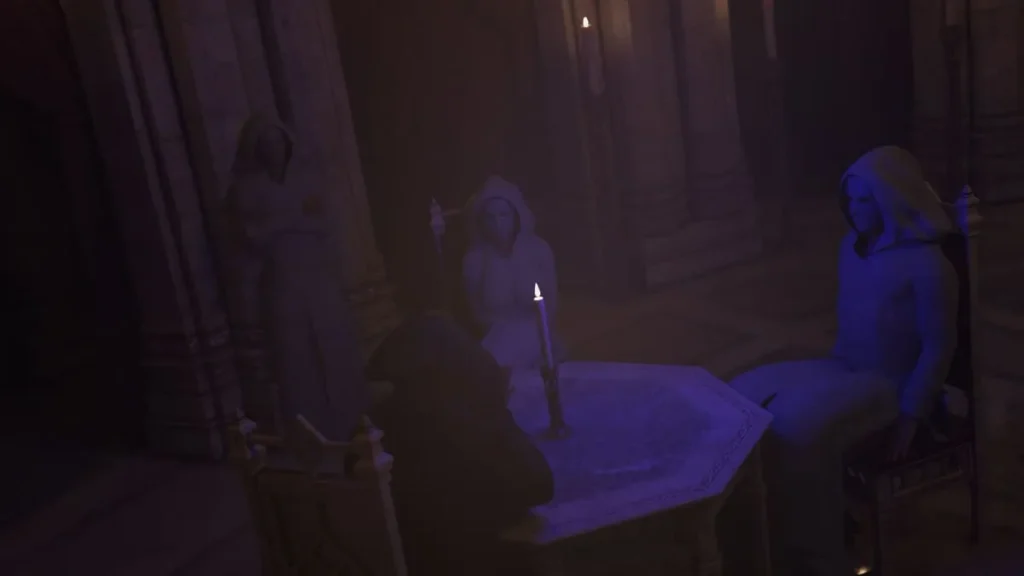




























































Fate and Life: The Mystery of Vaulinhorn review
An in-depth guide to story, characters, mechanics, and player strategies
Fate and Life: The Mystery of Vaulinhorn is a narrative-driven visual novel designed for adult players, blending gothic mystery, branching romance, and choice-driven outcomes that tie fate and life together in an atmospheric setting. This guide dives into the game’s core themes, character arcs, mechanics, and practical play strategies so you can decide which paths to pursue and how to get the most from your playthrough. I’ll share personal impressions, real-play anecdotes, and clear step-by-step advice to help both newcomers and returning players navigate Vaulinhorn’s secrets.
Setting, Story & Themes in Fate and Life: The Mystery of Vaulinhorn
Welcome, detective. 🕵️♂️ Before you take your first step onto the rain-slicked cobblestones, it’s crucial to understand the stage upon which this dark drama unfolds. The world of Fate and Life: The Mystery of Vaulinhorn isn’t just a backdrop; it’s a living, breathing character in its own right, one that will shape every decision you make. Let’s pull back the velvet curtain and delve into the Vaulinhorn setting, the game story overview, and the profound themes that make this gothic visual novel so unforgettable.
What is Vaulinhorn? — Worldbuilding and atmosphere
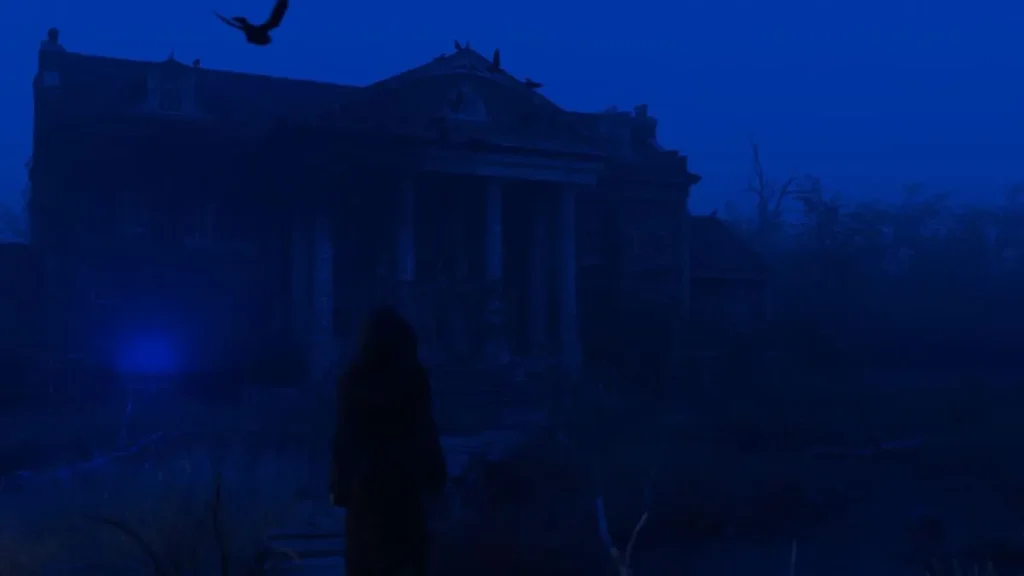
Picture a city where the gas lamps fight a losing battle against the pervasive gloom, and the elegant spires of academia cast long shadows over squalid, whispering alleys. This is Vaulinhorn. Its soul is a complex blend of Victorian-era progress and gothic decay, a place where rationality and superstition are locked in a perpetual, tense dance. 🏙️
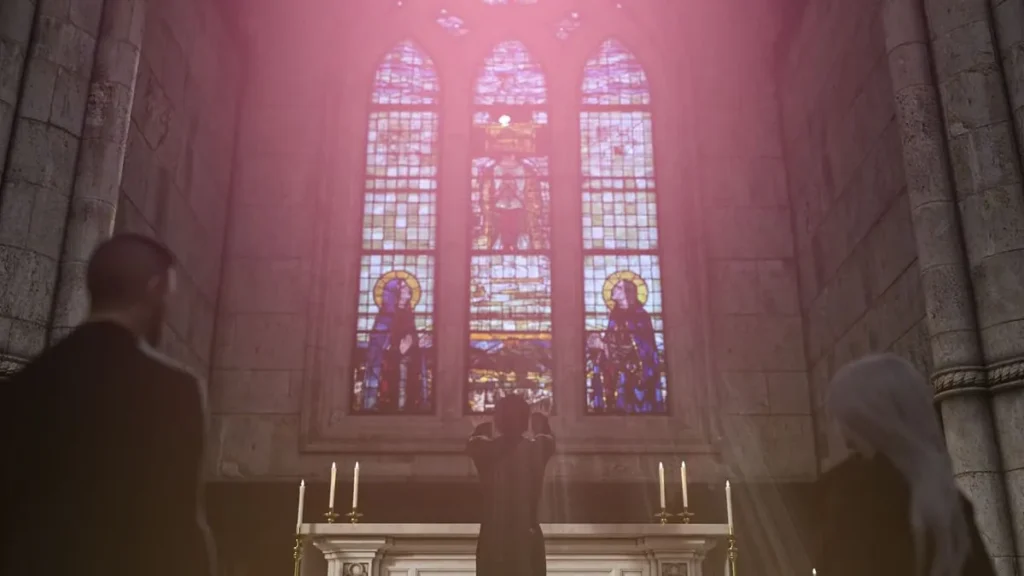
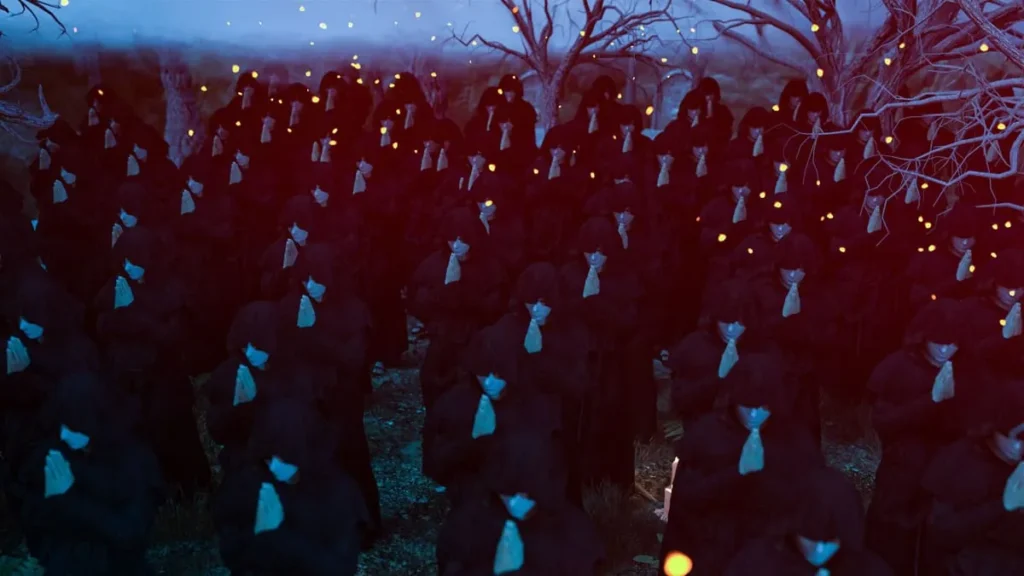
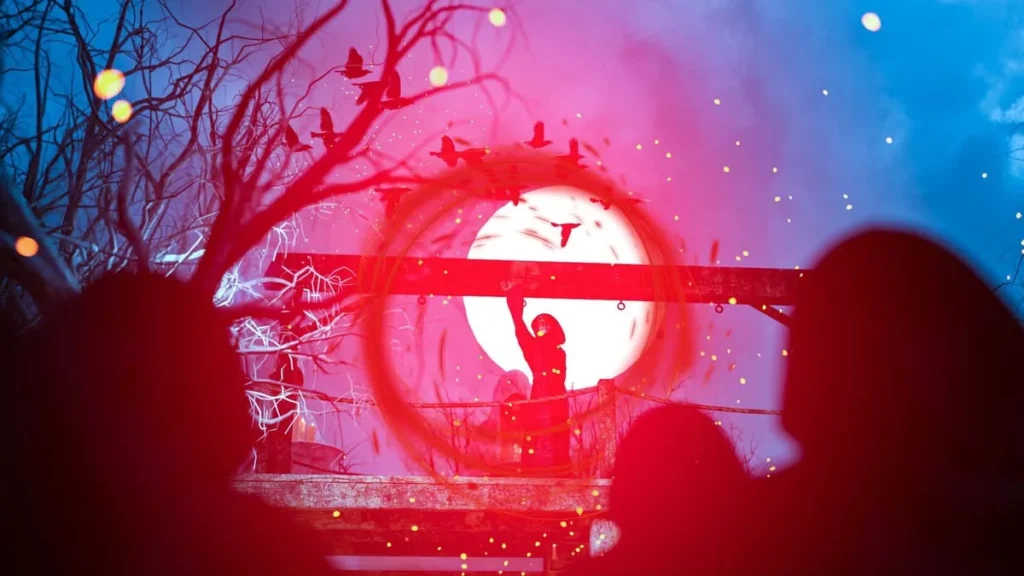
The atmosphere here is everything. The sound design—the distant toll of a bell, the constant patter of rain, the muffled conversations from behind closed doors—creates an immersive soundscape of unease. Visually, the game is a masterpiece of moody aesthetics, with a palette dominated by deep crimsons, inky blacks, and sickly greens. This isn’t just for show; every rusted gate and fog-choked square reinforces the central themes of secrecy and things left to rot beneath a polished surface.
Your investigation will lead you to key locations, each with its own story to tell:
| Location | Atmosphere & Purpose |
|---|---|
| Valerius Mansion | The heart of the mystery. A labyrinth of opulent, dust-covered rooms and hidden passages. It feels less like a home and more like a gilded cage or a tomb, perfect for uncovering family secrets. |
| Academy of Empirical Thought | A bastion of logic and ambition. Its grand libraries and lecture halls contrast sharply with the city’s superstition, but you’ll find dark knowledge and ambitious scholars here who blur ethical lines. |
| Ironwood Square & The Docks | The city’s public face and its seedy underbelly. The square hosts bustling markets by day, while the docks at night are where illicit deals are made and the city’s true, desperate nature is revealed. |
| Silent Saint Cemetery & The Warrens | The final resting place and the tangled slums. One is orderly but haunted by memory; the other is a chaotic, living maze where people survive on rumor and fear. |
This meticulous lore and worldbuilding means that simply exploring and observing your surroundings is a core gameplay mechanic. A stained family portrait, the specific titles missing from a bookshelf, or the type of flowers left on a grave—all are vital clues waiting for a keen eye.
Core story beats and narrative structure
You arrive in Vaulinhorn as an outsider, summoned under mysterious circumstances to the imposing Valerius Mansion following a sudden death. What begins as a straightforward inquiry quickly unravels into a web of conspiracy, occult obsession, and deeply personal vendettas. This game story overview follows a classic investigation structure, but with a crucial twist: your branching narrative choices don’t just change the ending; they actively reshape the path you take to get there. 🔍
- Act I: The Invitation & First Impressions. You establish your presence, meet the key players—each a potential suspect, ally, or romantic interest—and begin to see the cracks in the official story. This phase is about gathering tools, building trust (or suspicion), and deciding what kind of investigator you will be: a compassionate listener, a logical skeptic, or a ruthless pragmatist.
- Act II: Deepening Shadows & Fracturing Paths. Here, the narrative branches significantly. Depending on who you’ve allied with and what truths you’ve prioritized, you will experience entirely different mid-game reveals. You might uncover an ancient occult pact in the Academy’s restricted section, or expose a smuggling ring using the city’s funeral rites as cover. Your relationships deepen, often intertwining personal desire with professional duty in ways that are intensely compelling for an adult-focused narrative.
- Act III: Converging Threads & Final Gambits. No matter which path you took, the threads begin to pull taut and converge toward the core mystery. The choices you made—who you trusted, what secrets you exposed, what lines you crossed—now manifest as tangible advantages or devastating complications in the finale. The game masterfully avoids a simple “good vs. bad” ending, instead offering resolutions that feel like the organic, often bittersweet, consequence of your specific journey.
Major themes: fate, consequence, and desire
At its core, Fate and Life: The Mystery of Vaulinhorn is a game about fate and consequence. The title itself poses the central question: are our lives governed by preordained fate, or can we seize our life and shape it through will and choice? The game brilliantly argues that both are true, and the tension between them is where drama lives.
Every dialogue option, every decision to pursue one clue over another, every intimate moment shared, is a stone cast into the pond of Vaulinhorn. The ripples will reach the shore. Here are concrete examples of seemingly minor decisions with late-game weight:
- Offering Coin to a Beggar: This isn’t just a morality check. That beggar might later provide a crucial alibi, or, if ignored, they might spread rumors that paint you as a cold-hearted outsider, making certain townsfolk refuse to speak with you.
- Choosing a Research Focus at the Academy: Do you study “Heraldic Symbols” or “Modern Chemistry”? One path might let you decipher a family crest’s hidden meaning, while the other could allow you to analyze a poison, opening up a completely different suspect list.
- How You Handle a Confidential Letter: Do you return it unopened to build trust, or secretly read it to gain an information advantage? The former may secure a powerful ally, while the latter gives you immediate leverage but risks catastrophic betrayal if discovered.
The adult relationships are not mere titillation; they are the human vessel for these themes. Desire—for power, for truth, for connection—is the engine that drives characters to defy their supposed fate. These relationships are complex, sometimes manipulative, often vulnerable, and always consequential. They change how characters interact with you and, ultimately, what they are willing to do when the stakes are highest.
💡 Pro Tip for Uncovering Lore: Don’t binge-read all the journals and letters you find at once. Instead, read them immediately after discovering them in the relevant location. The context makes the details click. A love letter found in a dusty attic bedroom hits harder than one scanned in a menu later.
Let me share a moment that cemented my love for this game’s design. On my first playthrough, I was polite but dismissive toward the mansion’s elderly groundskeeper, focusing on “more important” suspects. Later, locked out of a garden shed critical to the plot, I was stuck. Remembering he’d muttered about “never forgetting a key,” I reloaded an old save, spent time listening to his rambling stories about the estate’s history. Not only did he later “find” the key I needed, but his stories contained a misplaced detail about a previous owner that solved a secondary puzzle I hadn’t even encountered yet! It was a stunning lesson: in Vaulinhorn, no character is set dressing. Every interaction is a thread in the tapestry.
Storytelling Strengths to Savor:
* Atmosphere as Narrative: The Vaulinhorn setting is flawlessly realized and does half the storytelling.
* Meaningful Agency: Your branching narrative choices create a powerfully personal story that feels uniquely yours.
* Thematic Depth: The exploration of fate and consequence is woven into every mechanic, making it intellectually satisfying.
Potential Weaknesses to Note:
* Pacing Can Be Deliberate: If you prefer constant action, the early hours of slow-burn investigation and dialogue might feel slow.
* The Weight of Missed Content: Knowing that major story arcs are hidden behind specific choices can induce “FOMO,” but this also fuels incredible replay value.
In the end, your time in Vaulinhorn will be a conversation between the destiny the city has written for you and the life you choose to carve out within it. Every choice is a brushstroke on that canvas. Now, step into the fog. Your mystery awaits. 🌫️
Fate and Life: The Mystery of Vaulinhorn is a richly atmospheric visual novel that rewards curiosity, careful choice-making, and multiple playthroughs. Across the chapters above you’ll find the tools to understand the setting, build relationships, manage saves, and troubleshoot technical issues while respecting content boundaries and community norms. Try a balanced first run that focuses on exploration, then use the save-management strategies to chase alternate endings and hidden scenes. If you enjoyed the guide, save it for your next playthrough and share your results with the community so others can benefit from your discoveries.