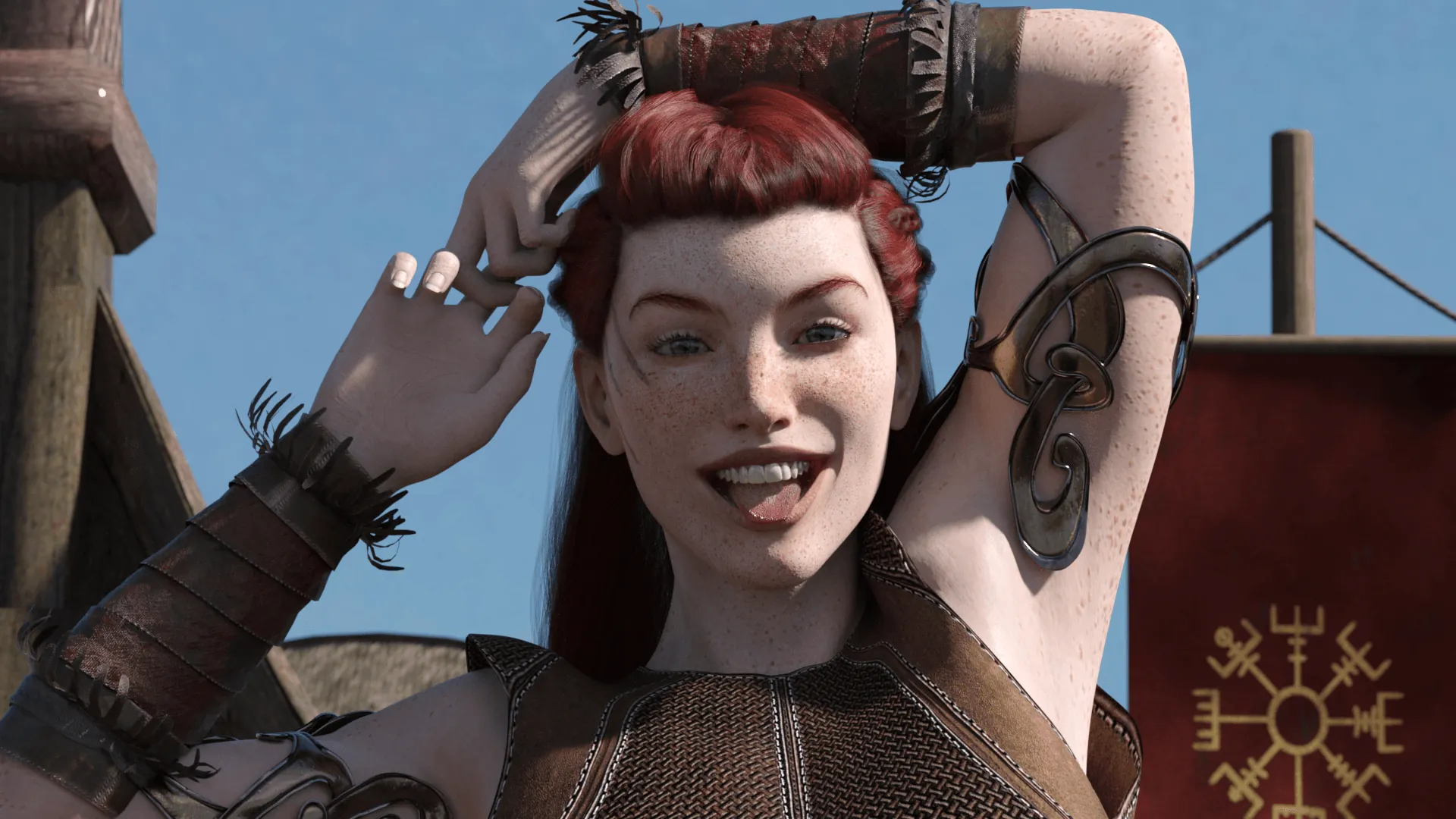
Dungeon Days
Play Dungeon Days
Dungeon Days Screenshots






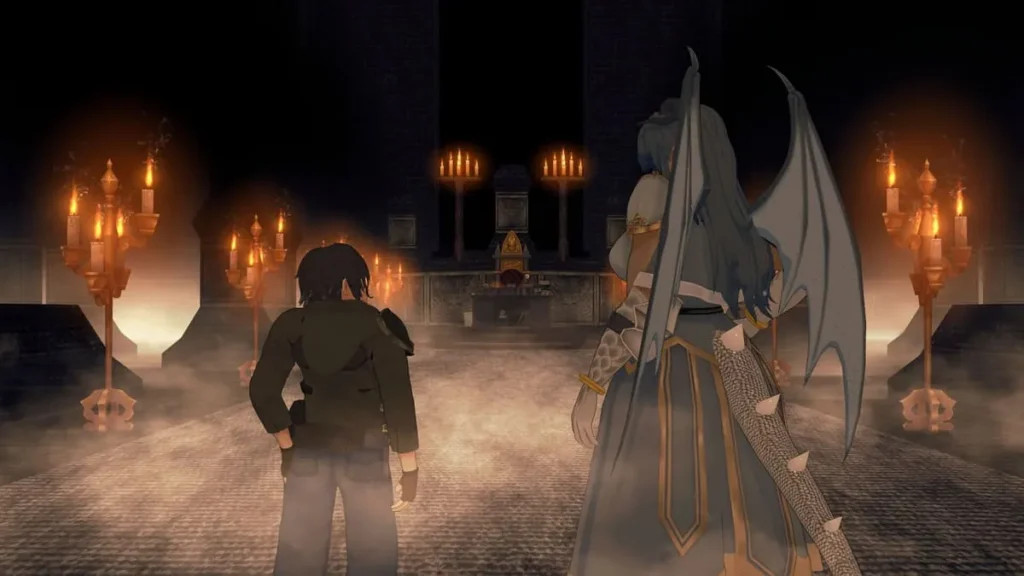

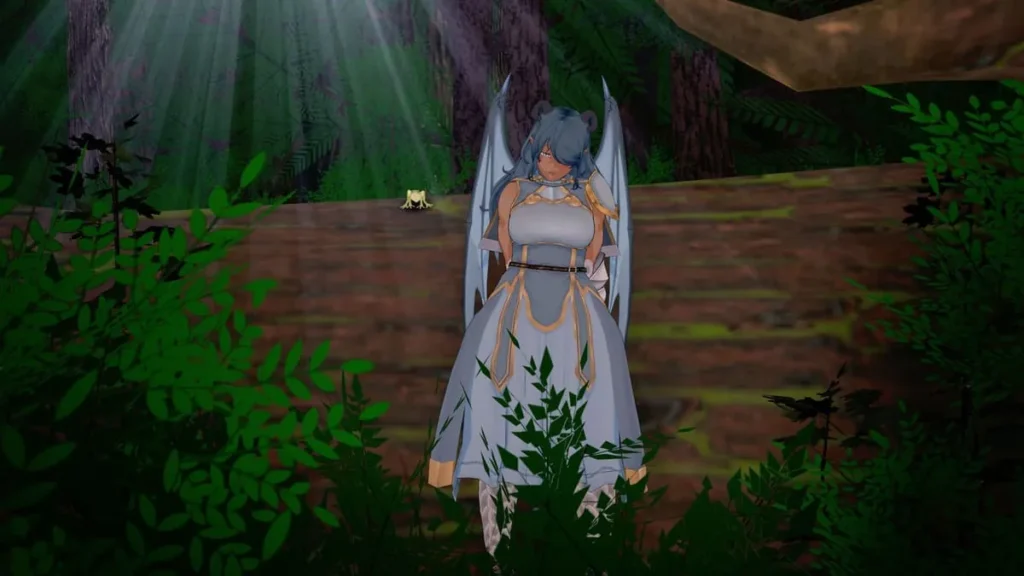
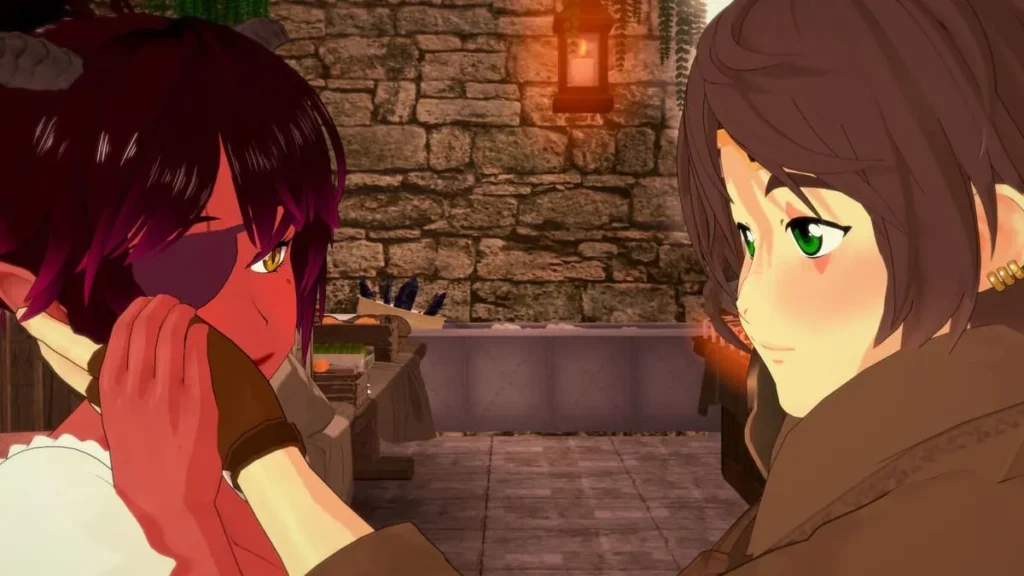






Dungeon Days review
Explore the immersive fantasy adventure with romance, exploration, and strategic gameplay
Dungeon Days stands out as a narrative-driven fantasy adventure that blends immersive storytelling with interactive gameplay mechanics. Players take on the role of Wes Cragvern, an assistant janitor in a dungeon who becomes entangled in a complex mission alongside Pah’Sharah, a White Dragon girl companion. This guide explores the core gameplay systems, character interactions, exploration mechanics, and what makes this title a unique experience in its genre. Whether you’re new to the game or seeking to enhance your playthrough, discover everything you need to know about this story-rich adventure.
Gameplay Mechanics and Core Systems
Alright, adventurer, grab a seat by the fire and let’s talk shop. 🏕️ You’ve booted up Dungeon Days, you’re looking at the gorgeous, painterly world of Astralara, and maybe you’re wondering… “So, how does this all actually work?” You’re not just along for the ride here. Dungeon Days puts the reins firmly in your hands, and understanding its core systems is the key to unlocking one of the most rewarding fantasy adventures in recent memory. Forget tedious grinding and pointless fetch quests. This is about meaningful choice, deep connection, and a world that breathes and changes around you. Let’s break down exactly how it all comes together.
How to Play and Navigation Controls 🎮
First things first: getting around. Dungeon Days adopts a classic, comfortable isometric perspective that gives you a perfect tactical view of the world. The controls are blissfully intuitive. You point, you click, your character goes. Interacting with the world is as simple as moving your cursor over an object, person, or doorway and clicking. A gentle highlight often indicates something you can engage with, but part of the magic is that not everything is glowing—encouraging you to be curious.
But here’s where it gets interesting. This isn’t just a point-and-click adventure. Your clicks have weight and context. Right-clicking on your character, Wes Cragvern, brings up his inventory and journal, but right-clicking on an NPC might bring up a special interaction menu if your relationship is high enough. The game’s UI is clean and unobtrusive, deliberately stepping back to let the world of Astralara take center stage.
Pro Tip: Turn off the optional mini-map in the settings for your first playthrough. The game’s environmental design is so rich and logically laid out that you’ll learn the lands of the Cinderpeak Dominion by heart, and you’ll stumble upon far more secrets by actually looking at the world instead of a corner of your screen.
The Dungeon Days gameplay mechanics are built on a philosophy of player agency. Want to spend an in-game day just foraging in the Whisperwood, picking herbs and maybe stumbling upon a hidden grove? Go for it. Feel like heading straight to the town of Brighthollow to follow up on a rumor? Nothing’s stopping you. The game respects your time and intelligence, offering tools for navigation that feel natural, not restrictive. This seamless control scheme is the foundation for everything else: the exploration and discovery mechanics, the dynamic world state, and the nuanced character relationships in Dungeon Days all stem from your freedom to move and interact as you please.
Quest System and Story Progression 📜
If you’re fed up with quest logs that read like a grocery list—“Kill 10 rats,” “Collect 5 flowers”—then you are in for a treat. The quest system and story progression in Dungeon Days are its narrative lifeblood. Quests here aren’t tasks; they’re stories. And more importantly, they’re interconnected webs of cause and effect.
You won’t find a hundred markers clogging your journal. Instead, you’ll have a few active, multi-layered stories that evolve naturally. Let me give you a real example from my own playthrough. Early on, I took a simple job from the Brighthollow alchemist to find some rare Silvercap mushrooms in the nearby caves. Seemed straightforward.
- The Initial Quest: “Fungal Findings” – Find the Silvercaps.
- The First Branch: In the cave, I found the mushrooms, but also a wounded, intelligent giant spider guarding its eggs from lurking predators. I had a choice: fight it for the mushrooms, try to sneak past, or use my herbalism skill to offer it a healing poultice. I chose the latter.
- The Unlocked Chain: This act of mercy didn’t just give me the mushrooms. It triggered a new quest, “Web of Kindness,” where the spider later helped me navigate a deeper, poisoned section of the caves to find a lost explorer’s journal.
- The Ripple Effect: That journal didn’t just give me experience. It contained clues about a forgotten shrine in the Whisperwood, kicking off a whole new chain about ancient elven magic. Furthermore, when I returned to town, the alchemist noticed the unique, unbruised quality of my “peacefully” gathered mushrooms and offered me a permanent discount and access to rare recipes.
See what happened? One simple errand spiraled into an ethical choice, a new ally (of an unexpected sort), a discovery that led to a major exploration milestone, and a tangible economic benefit in town. That’s the quest system and story progression at work. The game is constantly asking, “What kind of person is Wes Cragvern?” and the world remembers your answer.
This approach means the main story—centered on Wes and his complex, budding relationship with the fierce warrior Pah’Sharah—unfolds at a pace you set. You can chase the central mystery of the encroaching Blight directly, or you can get wonderfully sidetracked by the lives of the people around you, with each side story enriching your understanding of the main conflict. Your journal becomes a chronicle of your unique journey, not a checklist.
Character Relationships and Dialogue System 💬
This is where Dungeon Days truly sings. The characters feel alive, and that’s thanks to two brilliantly intertwined systems: the dialogue system and NPC interactions and the deep character relationships in Dungeon Days.
Let’s start with dialogue. Throwing out predefined “good/evil/snarky” responses is a thing of the past. The dialogue system and NPC interactions are fiercely reactive. What you can say, and how NPCs respond to you, depends on a living tapestry of factors:
* Your reputation with their faction or town.
* Quests you’ve completed (or failed) for them or their allies.
* Your currently equipped gear and visible skills (a soldier might respect you more if you’re wearing a badge of honor from his regiment).
* Who is in your active party. Pah’Sharah might interject with a scathing comment, or a shy character might only open up if a mutual friend is present.
It creates this incredible sense that people are actually paying attention to you. I once spent a session helping farmers around Brighthollow with manual labor while wearing simple clothes. Later, when I walked into the fancy noble’s district in full plate armor, a guard sneered, “Shouldn’t you be in the fields?” The world sees you.
Now, layer the relationships on top of this. Every meaningful interaction builds or alters your bond with characters like Pah’Sharah. This isn’t a simple “like” meter. It’s a multidimensional relationship that tracks trust, respect, romantic tension, and shared history. You build it not just through big story choices, but through small moments: sharing a drink at the inn, choosing to defend their point of view in an argument, or picking a unique dialogue option unlocked by a skill you’ve trained.
These character relationships in Dungeon Days are functional. A high level of trust with Pah’Sharah might mean she confides a personal weakness, which you can later use to gently dissuade her from a reckless charge in battle. A strong bond with a cunning rogue might unlock a stealthy “backdoor” solution to a political quest, avoiding bloodshed entirely. The game is filled with these unique relationship gates, rewarding you for genuine connection with more tools and narrative branches.
To visualize how these core systems define the experience, let’s look at them side-by-side:
| Core Feature | How It Works | Impact on Your Adventure |
|---|---|---|
| Reactive Dialogue System | NPC conversations dynamically change based on your reputation, completed quests, equipped gear, and party members. | Creates a truly immersive world where your actions have immediate social consequences. No two playthroughs feel the same. |
| Dynamic World State | Towns can be rebuilt, factions rise or fall, and environments physically change based on your key decisions and completed quest chains. | Your legacy is written into the landscape. You can revisit areas hours later to find them thriving or in ruins based on your earlier choices. |
| Seamless Exploration | An intuitive click-to-move world with hidden secrets, non-essential areas, and rewards for thorough investigation off the beaten path. | Encourages curiosity and makes discovery feel personal and earned, not handed out by a map marker. |
| Contextual Puzzles | Puzzles are woven into the environment and narrative. Solutions use your character’s skills, inventory items, or knowledge gained from lore. | Makes problem-solving a natural part of the adventure, blending seamlessly with exploration and story progression. |
Exploration and Discovery Mechanics 🗺️
Speaking of curiosity, the exploration and discovery mechanics are a masterclass in rewarding the observant player. Dungeon Days doesn’t just tolerate you going off the path—it expects it. The world is dotted with non-essential but breathtaking locations: a silent waterfall with a hidden behind it, a crumbling watchtower with a skeleton clutching a last letter, a serene glade that serves as a rare creature’s home.
Discovery is meaningful. You won’t just find a +1 sword in a chest. You might find a locket with a portrait, and if you later meet the grieving widow in a town you haven’t even discovered yet, you can return it to her, unlocking a poignant side story. Lore books aren’t just flavor text; they contain hints for solving future contextual puzzles or identifying weaknesses in unique monsters. The game’s exploration and discovery mechanics are a dialogue between you and the world. It whispers secrets, and you are rewarded for listening.
Dynamic World State and Consequences ⚖️
Every choice whispers, but some choices shout. This is the realm of the dynamic world state and consequences. Dungeon Days features a living world that doesn’t reset after you leave an area.
Your major decisions create permanent ripple effects. If you help a group of settlers defend their new village from bandits and then invest resources to help them build a palisade, that settlement will flourish. Return later, and you’ll see new buildings, happier NPCs, and new quests. Ignore their plight, and you might find smoldering ruins. A faction you ally with will gain power and presence in the world, while their rivals may become hostile or retreat into the shadows.
This dynamic world state makes you feel like a true agent of change. It’s not about a binary “good ending vs. bad ending.” It’s about shaping the middle—the living, breathing present of Astralara. The consequences are often nuanced, showing you the complex trade-offs of leadership and power, deeply tying into the quest system and story progression.
Puzzle Solving in Fantasy Games 🧩
Finally, let’s talk about the grey matter workout. The puzzle solving in fantasy games often feels tacked-on, but here, it’s organically grown from the world. These are contextual puzzles.
You won’t find a standalone “slide the blocks to match the pattern” room. Instead, you might find an ancient door sealed by a magical phrase. The solution? You need to find scattered pieces of a song in old elven ruins you explored earlier, remember the melody, and play it on nearby crystal formations. Or, a bridge might be out, and you need to combine your knowledge of local wildlife (from a bestiary you found) with your herbalism skill to craft a scent that lures a giant, bridge-walking turtle to the location.
This style of puzzle solving in fantasy games is immensely satisfying. It uses the tools the game has already given you—your skills, your inventory, the lore you’ve learned—and asks you to think creatively. It respects your intelligence and makes every solution feel like a genuine achievement, a direct result of your engagement with the world.
So, there you have it. The Dungeon Days gameplay mechanics aren’t just a set of rules; they’re an invitation. An invitation to explore deeply, to connect authentically, to think strategically, and to watch as a world bends and shapes itself around the story you choose to tell. It’s a game that trusts you, challenges you, and, most importantly, remembers you. Now, get out there. Astralara is waiting. ✨
Dungeon Days delivers a compelling fantasy experience that prioritizes narrative depth and player agency over hand-holding mechanics. The game’s strength lies in its interconnected quest system, reactive dialogue, and dynamic world that evolves based on your decisions. With its focus on exploration, character relationships, and meaningful storytelling, the game rewards curiosity and thoughtful engagement. The seamless world design and contextual puzzles create an immersive adventure where every action feels consequential. Whether you’re drawn to rich narratives, strategic exploration, or character-driven storytelling, Dungeon Days offers a distinctive journey that encourages multiple playthroughs to experience different outcomes and discover hidden content.