City of Broken Dreamers
Play City of Broken Dreamers
City of Broken Dreamers Screenshots















City of Broken Dreamers review
Explore the story, gameplay mechanics, and character relationships in this narrative-driven adult game
City of Broken Dreamers: Book One stands out in its genre as a narrative-focused experience that balances compelling storytelling with character-driven gameplay. Players assume the role of Ghost, a skilled bounty hunter with a troubled past, tasked with tracking down a young girl harboring dangerous secrets. This guide explores what makes City of Broken Dreamers a standout title, from its intricate relationship system and hidden mechanics to its visually detailed world and emotionally complex narrative. Whether you’re interested in the story depth, character development, or gameplay systems, this comprehensive overview covers everything you need to know about this acclaimed game.
Understanding City of Broken Dreamers: Core Gameplay & Story
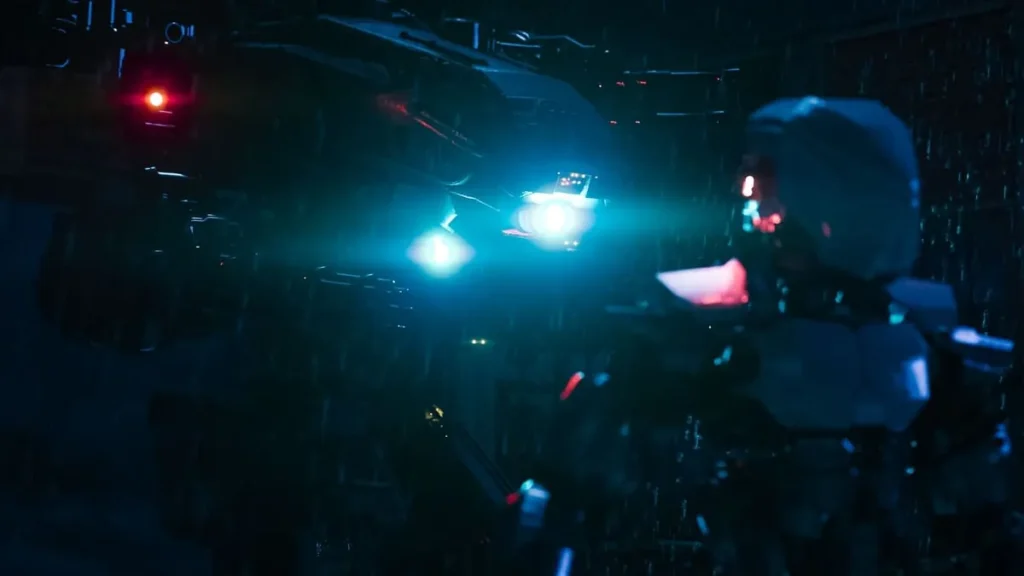
Let’s be honest—you’re not here for a simple walkthrough. You’re here because you dove headfirst into the rain-slicked, neon-drenched nightmare of Los Angeles 2042 and got instantly hooked by its moody atmosphere and tangled web of characters. City of Broken Dreamers isn’t just a visual novel; it’s an immersive experience where every whispered conversation and every hardened glance carries weight. Understanding its core City of Broken Dreamers gameplay is the key to unlocking its deeply personal story and surviving its brutal world.
This chapter is your decoder ring. We’re going to strip away the chrome and glare to look at the brilliant systems driving your journey: the bounty hunter protagonist you embody, the delicate character relationship system you must navigate, and the subtle hidden anger stat mechanic that simmers beneath it all. By the end, you’ll see how every choice truly matters.
The Protagonist and Setting: Who You Play As 🕵️♂️🌃
You step into the worn boots of Ghost, a veteran bounty hunter scraping by in a cyberpunk Los Angeles that’s equal parts dazzling and desolate. This isn’t a power fantasy where you start at the top. Ghost is weathered, haunted by a past military operation gone wrong, and is literally paying off a life-saving cybernetic heart implant. The City of Broken Dreamers story kicks off with what seems like a straightforward job: track down a missing girl named Ellen. Easy money, right?
Wrong. Instantly, you’re plunged into a conspiracy involving mega-corporations, rogue androids, brain-altering tech, and street gangs, all fighting for control over something—or someone—incredibly valuable. Ghost’s primary role as a bounty hunter protagonist frames the entire experience. You’re a mercenary, not a superhero. Your motivations can be shaped by your choices: are you in it purely for the cash to stay alive? Do you cling to a shred of honor from your past? Or are you so cynical that you’ll exploit every situation?
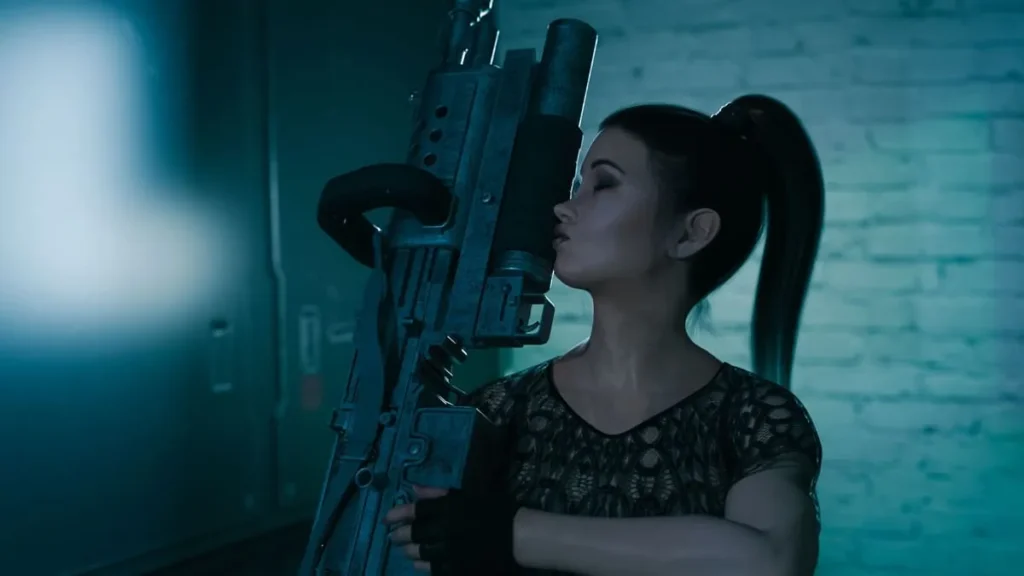
This setting is more than just a pretty backdrop. The stunning visual design of the environments, from grimy alleyways to sterile corporate penthouses, directly informs the City of Broken Dreamers gameplay. You’ll scan areas for clues, talk to informants in smoky bars, and use your skills to hack doors or intimidate thugs. The world feels alive and hostile, and as Ghost, you are constantly reacting to its pressures. Your decisions on how to pursue leads—with brute force, subtle hacking, or silver-tongued persuasion—begin to define your path immediately.
My Tip: On my first playthrough, I played Ghost as a pure pragmatist, always choosing the option that paid the most or involved the least risk. It got me through, but I missed so much depth. The game rewards you for letting Ghost have a personality, even a flawed one.
Relationship Systems and Character Interactions 💔🔗
If the dystopian plot is the skeleton of City of Broken Dreamers, then its character interaction mechanics are the beating heart. This is where the game truly shines, offering a character relationship system of remarkable nuance. Forget simple “good vs. evil” meters. Here, every major character has a unique, hidden relationship score with Ghost that changes based on your dialogue and actions.
But it goes deeper. For the female characters, there’s a second, parallel metric: the lust value. This isn’t just about titillation; it’s a nuanced gauge of romantic and physical tension. Raising a character’s relationship score opens up deeper trust and new narrative paths, while increasing lust value can unlock intimate scenes that often reveal vulnerable, character-defining moments. Crucially, these stats are independent. You can have a high relationship score with someone based on mutual respect, while the lust value remains low, resulting in a powerful platonic bond. The reverse is also possible, creating complex, fleeting connections.
The magic is in how these stats gate content. A specific piece of heartfelt dialogue might only be available if Katie’s relationship score is above 15. A crucial piece of information from Chandra might require a certain level of trust and tension. It makes every interaction feel consequential.
Let’s look at how these two axes—Relationship and Lust—work together to shape your available story and dialogue. The table below breaks down a few key examples.
| Character | High Relationship Score (Trust) | High Lust Value (Tension) |
|---|---|---|
| Katie (The Engineer) | Unlocks technical support, backstory about her brother, and safer mission paths. She becomes a loyal ally who will risk her neck for you. | Leads to more flirty banter, personal scenes in her workshop, and moments where she lets her professional guard down emotionally. |
| Abby (The Doctor) | Gains deeper medical assistance, critical plot information about cybernetics, and her unwavering ethical support in crises. | Opens up conversations about personal loss and desire, leading to intimate moments that contrast with her clinical exterior. |
| Chandra (The Corporate Liaison) | Provides corporate intel, access to restricted areas, and strategic alliances. She views you as a valuable, reliable asset. | Leads to a dangerous game of corporate seduction, where power and attraction are intertwined. Scenes are charged with a sense of risk and manipulation. |
Mastering these character interaction mechanics means actively listening and choosing responses that align with the bond you want to build. A compliment might raise lust but do nothing for trust. An offer of genuine help might build trust without any romantic subtext. The system forces you to think about who these characters are and what they need from Ghost.
Hidden Mechanics: Anger Stats and Dialogue Choices ⚠️😤
Now, let’s talk about the engine hidden under Ghost’s cybernetic hood: the hidden anger stat mechanic. This is one of the most brilliant aspects of the City of Broken Dreamers gameplay. Ghost isn’t a blank slate; he’s a traumatized vet with a short fuse. The game quietly tracks your propensity for aggression through a hidden “Anger” stat, influenced by key dialogue choices and consequences.
Choosing violent dialogue options, threatening characters unnecessarily, or making cynical, brutal decisions will raise this internal meter. Conversely, showing restraint, using diplomacy, or expressing empathy will keep it in check. This isn’t just flavor text. Your anger level directly changes the dialogue choices and consequences available to you in critical moments.
Here’s a specific example from my own playthrough that stuck with me:
Early on, you deal with a low-level gangster named Victor. If your hidden anger stat is low, you might have calm, investigative dialogue options to get information from him. But on a replay where I’d made more aggressive choices, the game presented me with a new, red-tinged option I hadn’t seen before: [Shove him against the wall]. Choosing it didn’t just skip the conversation—it altered the entire scene. Victor reacted with fear, Ghost delivered lines with a colder, more menacing tone, and it permanently changed how that character interacted with me later. It locked me out of a potential ally down the road but opened up a more intimidating, fear-based approach.
The consequences ripple outwards. Characters like Katie or Abby may become wary of you if you’re constantly on edge. Certain story branches that require a cool head might become inaccessible. The game doesn’t judge you for being angry—Ghost has every right to be—but it realistically simulates how carrying that rage affects your world and relationships. It’s a masterclass in showing, not telling, character development.
This mechanic perfectly complements the relationship systems. Imagine a scenario with the doctor, Abby. A high anger stat might cause you to snap at her careful advice, lowering her relationship score. But with another character, like a rival hunter, that same anger might earn you a grudging respect. It ensures that your version of Ghost is truly unique.
Ultimately, the City of Broken Dreamers story is a tapestry woven from these three threads: the grounded premise of the bounty hunter, the deep character relationship system, and the internal struggle of the hidden anger stat mechanic. Your dialogue choices and consequences are the needle pulling it all together. Every playthrough becomes a distinct character study of Ghost, asking what kind of person survives in a broken city—and what they sacrifice to do it. Will you be a hardened pragmatist, a vengeful specter, or a weary man searching for redemption? In Los Angeles 2042, the power, and the burden, of that choice is yours alone.
City of Broken Dreamers: Book One delivers a unique experience that prioritizes narrative depth and character development alongside its visual presentation. The game’s intricate relationship system, hidden mechanics, and choice-driven gameplay create meaningful player agency that extends beyond surface-level interactions. With its compelling story about a bounty hunter confronting his past, detailed character designs, and emotionally resonant scenes, the game has earned recognition as one of the most well-crafted narratives in gaming. Whether you’re drawn to the story-first approach, the character-driven mechanics, or the visual artistry, City of Broken Dreamers offers substantial value. For players seeking a game that treats its narrative with the same care as its presentation, this title represents a standout choice that justifies its investment and delivers hours of engaging gameplay.