Play Bare Witness
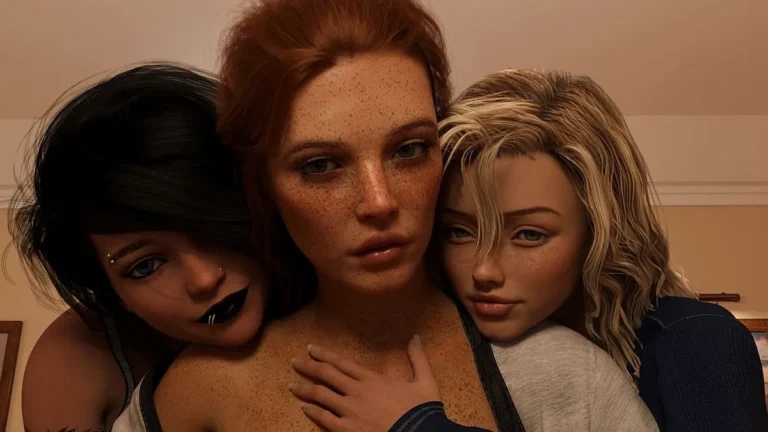
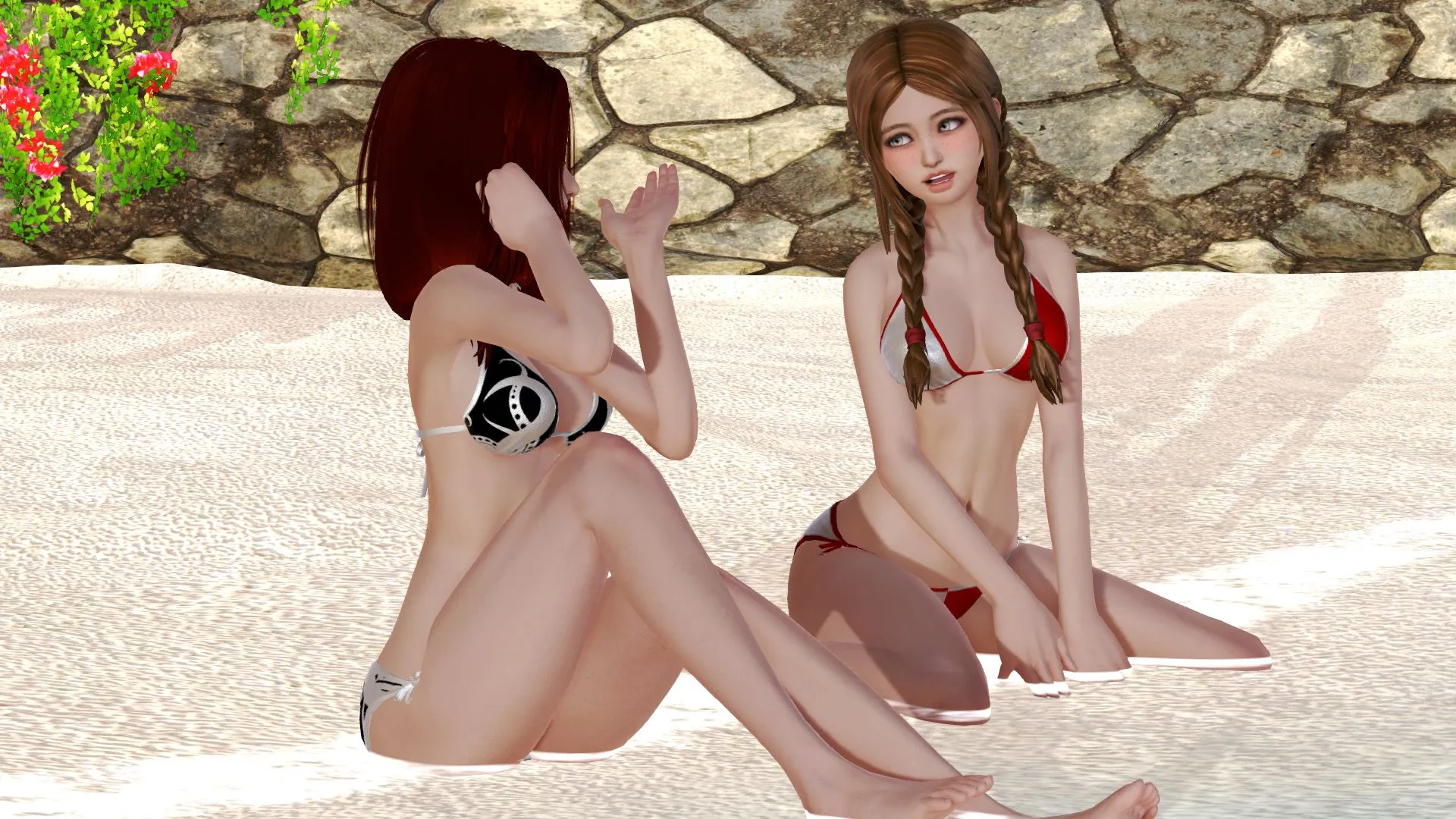
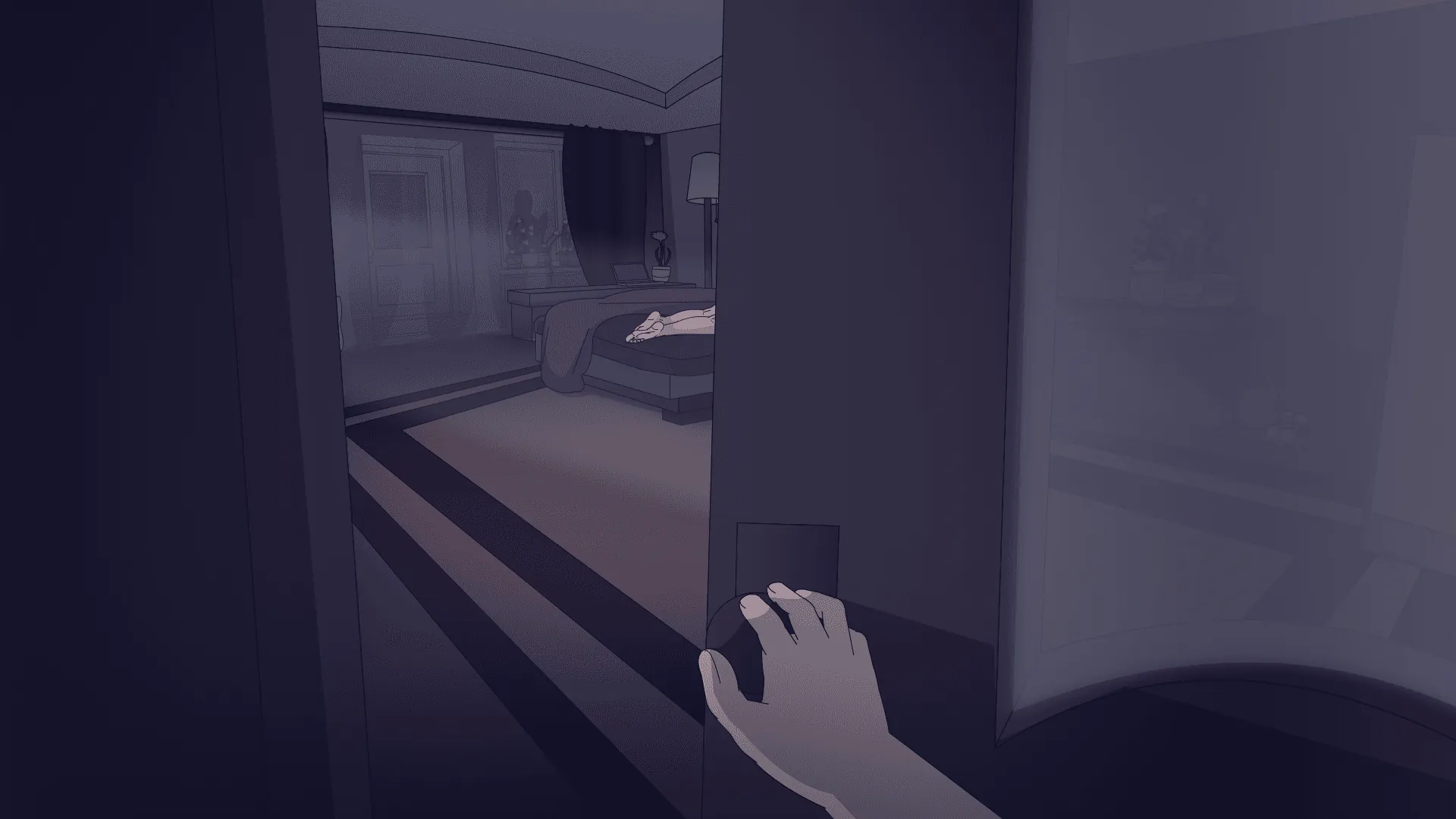
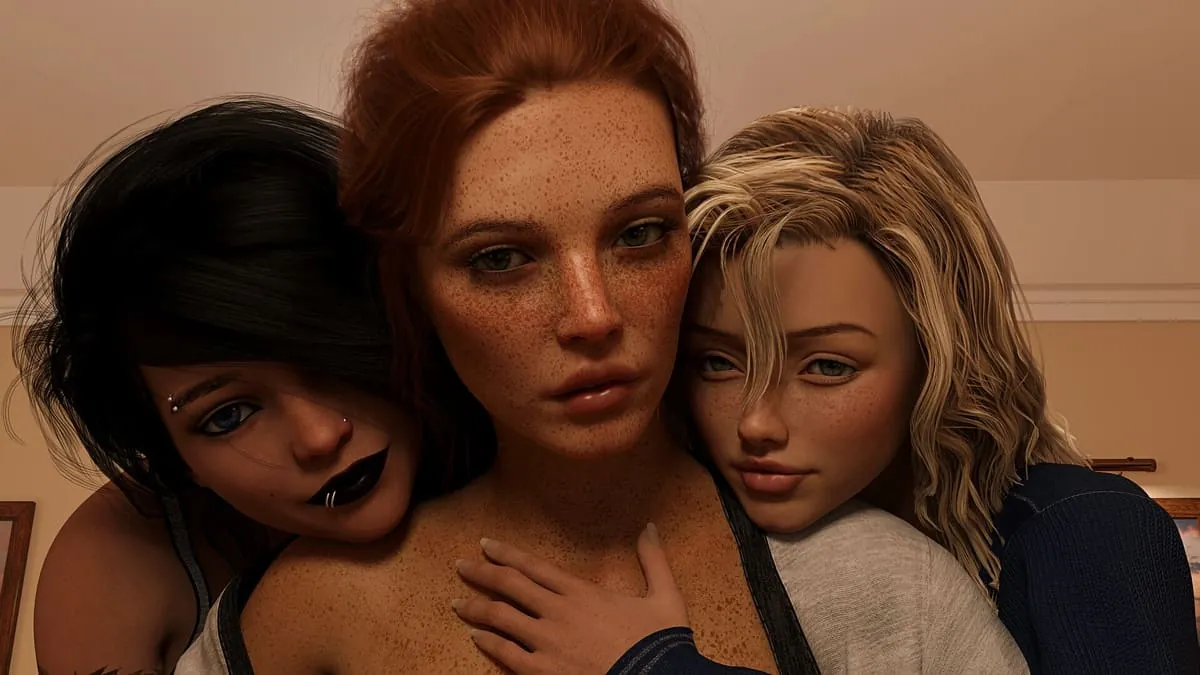
Bare Witness Screenshots
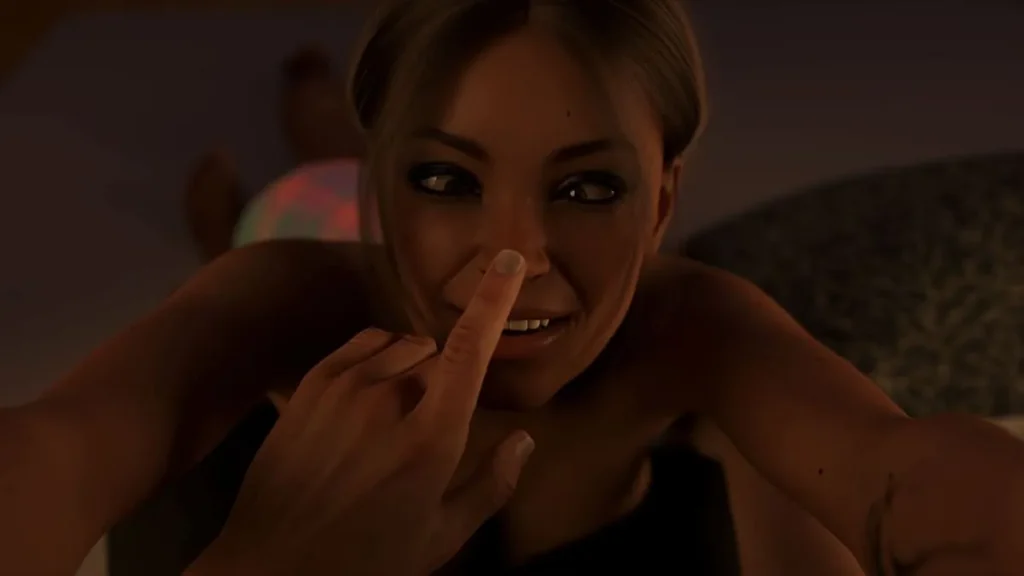
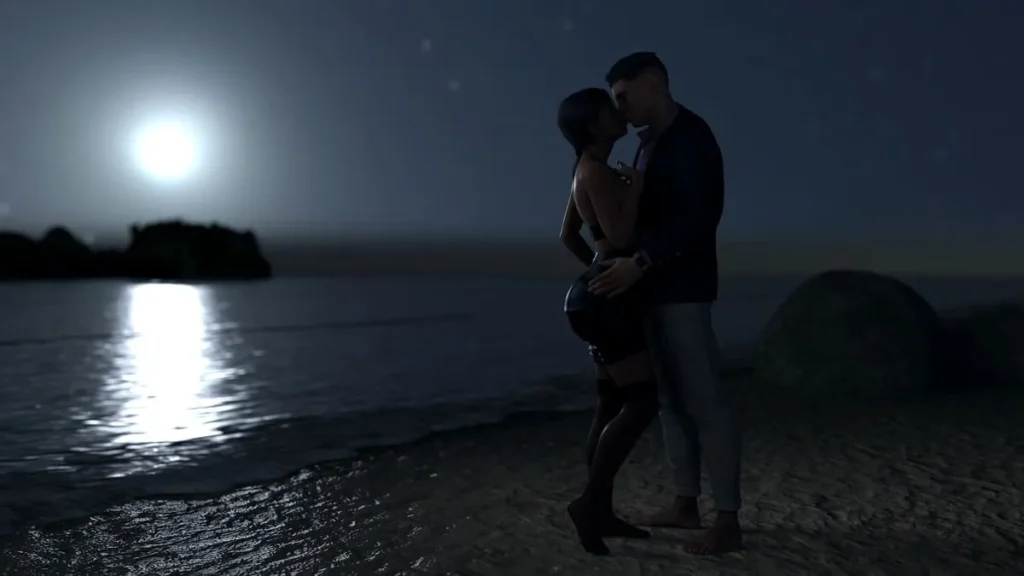


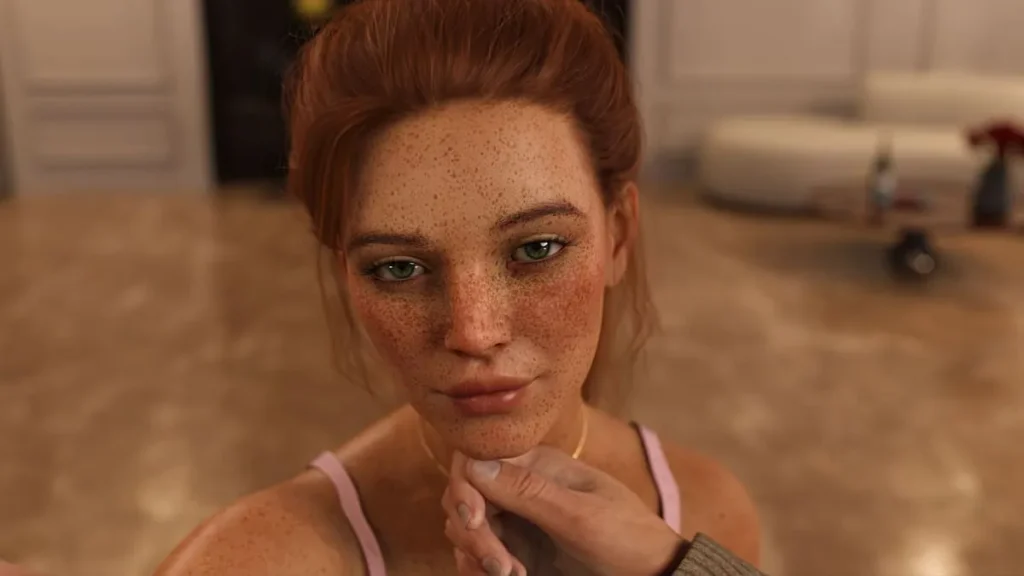

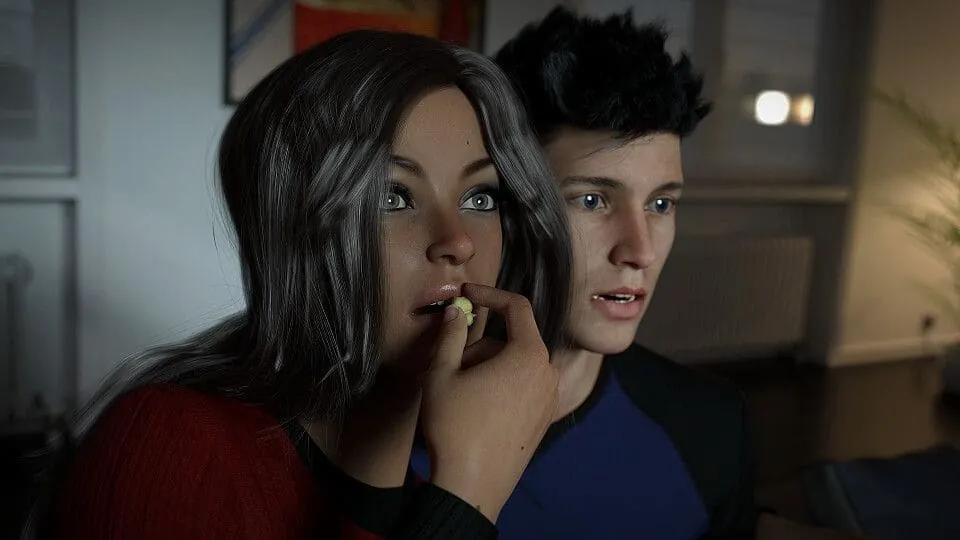

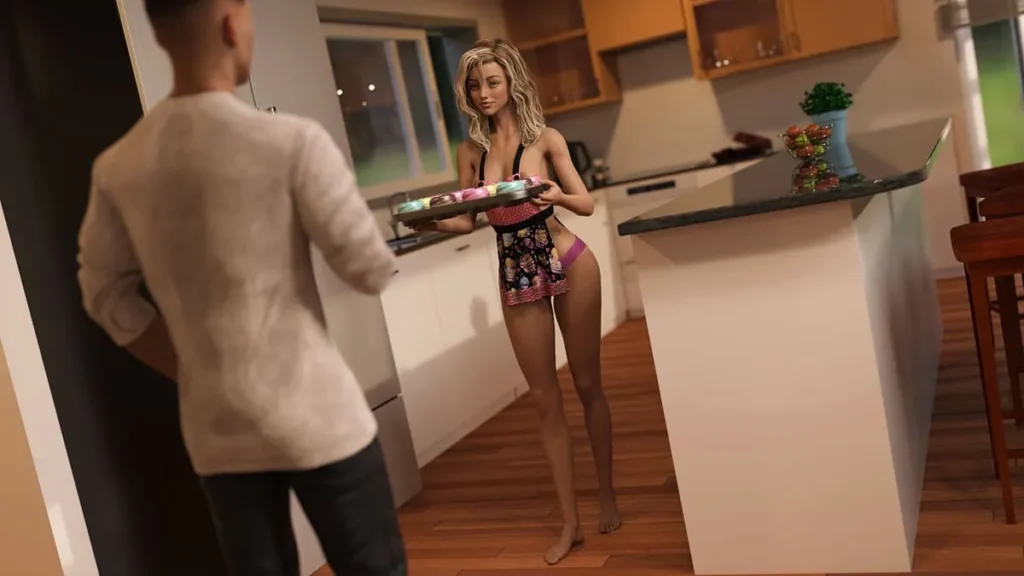
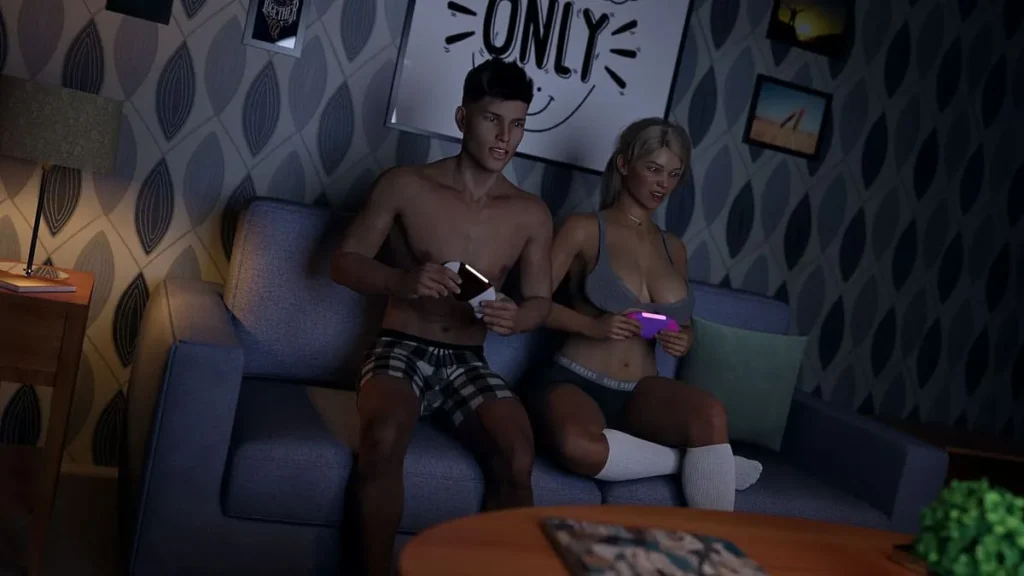
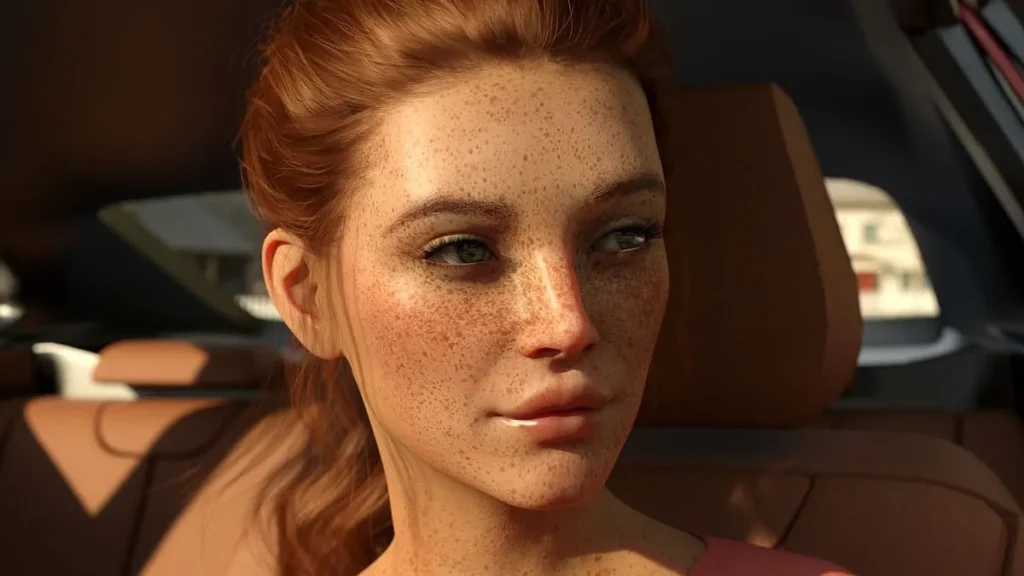
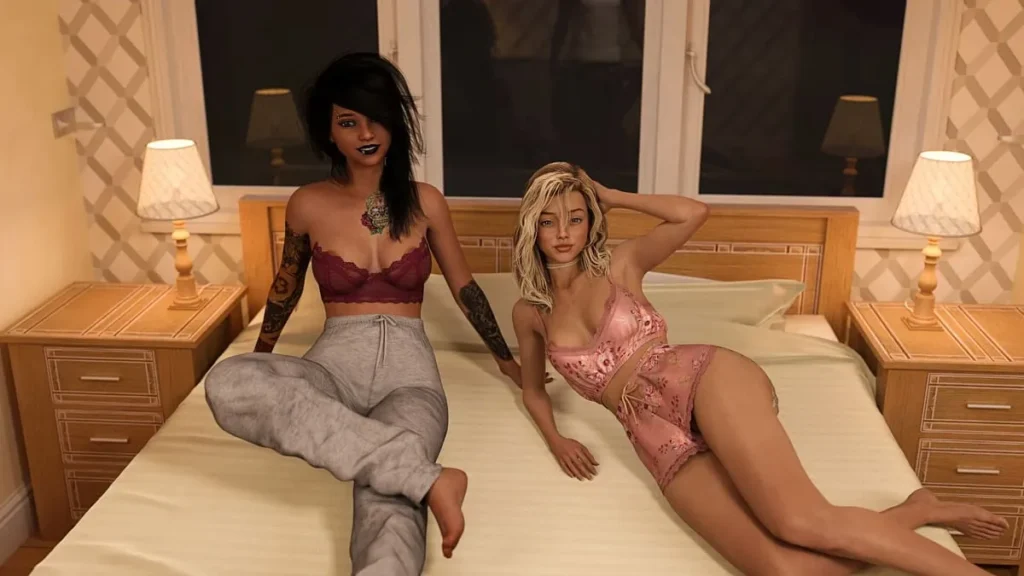
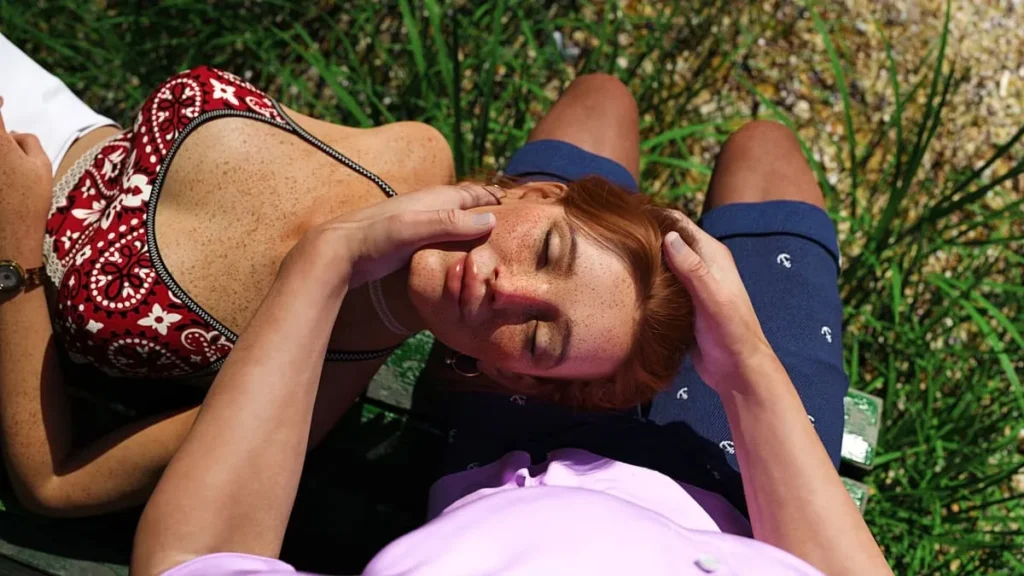
Bare Witness review
Explore Choices, Stories, and Secrets in This Gripping Adult Adventure
Ever stumbled upon a game that pulls you into a web of relationships and tough decisions, all through the lens of a camera? That’s Bare Witness for you—a captivating adult visual novel where you step into Athena’s shoes, a photography student navigating life with housemates in their final university year. I remember my first playthrough; one small choice spiraled into wildly different paths, keeping me hooked for hours. This guide dives deep into Bare Witness gameplay, choices, and endings, helping you uncover every intimate detail and branch. Whether you’re new or replaying, get ready to bare it all in this interactive tale of trust and desire.
What Makes Bare Witness Gameplay So Addictive?
Let’s be honest, the word “addictive” gets thrown around a lot in gaming. 🎮 But when it comes to Bare Witness, it’s not about chasing a high score or grinding for loot. The addiction here is quieter, deeper. It’s the itch to peek around one more corner of that old university house, to have just one more conversation, to see how a single, seemingly small decision ripples out to change everything. If you’re wondering how to play Bare Witness and what makes it click, it all comes down to a brilliant, simple loop: live, explore, and capture.
You step into the worn-out shoes of a photography student at the fictional Plattsburgh College of the Arts, sharing a creaky old house with three other artists. The genius of the Bare Witness gameplay is that it doesn’t just tell you this—it lets you live it. Your days aren’t menu-driven; they’re spent wandering. This visual novel exploration is the heartbeat of the experience. You’ll click from the sun-drenched, dusty living room to the chaotic kitchen, out into the overgrown garden, and up to your personal darkroom. Every location isn’t just a backdrop; it’s an opportunity. A character sitting alone on the porch, a strange noise from a roommate’s studio, a forgotten letter on the hallway table—these are the triggers for the story’s heartbeat.
And this is where Athena camera mechanics transform from a simple tool into your voice. 🎞️ You don’t just “use” the camera; you compose with it. When a moment unfolds—a heated debate, a vulnerable confession, a perfect, quiet sunrise—you’re prompted to frame the shot. Where you focus, what you include in the edges, and what you leave out isn’t just aesthetics; it’s a reflection of your perspective. Are you capturing the conflict, or the hurt in someone’s eyes? The messy room, or the single beautiful artifact within it? The game remembers these choices, and they subtly color how your character—and by extension, you—sees the world and its people.
How Exploration and Camera Mechanics Drive the Story
The magic of Bare Witness gameplay is how exploration and photography are woven into the narrative fabric. You’re not just unlocking scenes; you’re building a history. Early on, you might find a discarded sketch in the garden, a clue to a housemate’s secret project. Later, you can choose to photograph it, mention it, or ignore it entirely. Each action feeds into your relationships.
I remember one playthrough vividly. After a tense family phone call, I found my housemate, Mateo, staring blankly at the overgrown herbs in the garden. The game presented me with a classic, beautifully understated Bare Witness choice: ‘Do you want to talk about it?’ or ‘I made tea.’ 🫖
One path led directly into his anxieties and family drama, strengthening our bond through shared vulnerability. The other, the offer of tea, created a different kind of intimacy—a quiet, supportive presence without pressure. This moment wasn’t about a “correct” answer. It was about defining the tone of our friendship. Would we be confidants, or compassionate companions? This is the core of adult visual novel choices; they’re about emotional maturity and nuanced relationships, not clear-cut morality.
This slow, deliberate pacing is intentional. You feel the weight of time passing, the growing familiarity with every squeaky floorboard. It makes the world real, and that reality makes your Bare Witness choices carry genuine consequence.
Why Player Choices in Bare Witness Create Replay Value
Forget “good” or “bad” endings. Bare Witness deals in authenticity. Your decisions shape the tone, the perceptions, and the intricate web of connections between all four housemates. A joke that lands perfectly with one person might fall flat with another, altering the group dynamic for the rest of the day. Choosing to develop a certain photo for the end-of-term show might be seen as a poignant tribute by one character and a shallow exploitation by another.
This complexity is what fuels immense replay value. You’ll want to go back to see how a different approach with one character changes their relationship with another character, creating entirely new scenes and conflicts. To help visualize the butterfly effect of early decisions, here’s a look at how some initial choices can branch out:
| Choice Scenario | Short-term Reaction | Long-term Path Unlock |
|---|---|---|
| Offering to help clean the chaotic kitchen. | Immediate gratitude, slight reduction in group stress. | Unlocks later opportunities for collaborative, domestic scenes. Can lead to deeper conversations about responsibility and care. |
| Choosing to photograph the argument instead of intervening. | Mixed reactions: one character feels observed, another feels documented. | Can lock or unlock specific artistic collaboration routes. Affects how characters view your professionalism vs. your empathy. |
| Asking probing questions about a character’s art. | They might open up enthusiastically or become defensive. | Directly influences whether they later share their secret project with you, a major plot branch. |
| Deciding how to frame a portrait: focused on the person or their environment. | Immediate in-game comment on your artistic eye. | Subtly influences which characters feel most “seen” by you, affecting their openness in later intimate moments. |
My biggest piece of practical advice? Save often, and in multiple slots. 📁 Don’t just save at chapter breaks. Save before big conversations, before you explore a new area, and definitely before you use your camera. This lets you rewind and explore alternate branches without losing hours of progress. The joy is in experimenting, in seeing how a different compositional choice in your photography can highlight a different narrative priority.
Unlocking Hidden Events: Tips from My Playthroughs
So, you want to see everything this rich story has to offer? Unlocking the full spectrum of Bare Witness events is a game of subtle observation and commitment. Here’s what I’ve learned from multiple playthroughs:
- Follow the Time of Day: The house feels different in the morning, afternoon, and evening. Characters move. New interactions become available. If you hit a quiet moment, try advancing the time and checking a location again.
- Listen for Audio Cues: The soundtrack and ambient noise aren’t just atmosphere. A raised voice from behind a door, the distinct lack of music in a room, or the sound of a shutter clicking elsewhere can all signal an available event.
- Revisit After Key Moments: After a major story beat or a heart-to-heart with a character, go wander. They might have moved to a private spot to process, offering a unique follow-up conversation you’d otherwise miss.
- Your Camera is a Key: Sometimes, the option to take a picture is the only way to engage with a scene. If you’re stuck or feel like you’re missing context, try looking at the environment through Athena’s lens. You might find a perspective that triggers a new dialogue branch.
- Commit to a Relationship: While you can be friendly with everyone, the deepest Bare Witness events unlock when you consistently choose to spend time with and support one character. Their storyline will open up, revealing secrets and scenes that remain hidden in a more balanced, diffuse playthrough.
The atmosphere of Plattsburgh—the fading light in the hall, the clutter of shared life, the tension and creativity buzzing in the air—is a character in itself. Your journey through it, deciding what moments to preserve forever with your camera, is what makes Bare Witness so profoundly engaging. It’s addictive because it mirrors life’s beautiful, frustrating complexity: every choice closes one door while opening another, and the only way to see the whole picture is to live it more than once.
Your Bare Witness Gameplay Questions, Answered
What is the main gameplay loop?
You explore a shared house and its surroundings in a free-form manner, triggering conversations and events with your housemates. Your primary tools are dialogue choices and Athena’s camera, which you use to photograph key moments. These choices shape relationships and unlock branching narrative paths.
How does the camera work beyond taking pictures?
The Athena camera mechanics are a core narrative device. When prompted, you frame a shot. Your composition (what you focus on, what you include) is recorded by the game and can influence how characters perceive you and how you remember events. It’s an active choice, not a passive action.
Are there multiple endings?
Absolutely. There are numerous endings based on the web of relationships you’ve built (or neglected) throughout the story. Endings are less about “winning” and more about the authentic, often bittersweet, consequences of your artistic and personal choices.
Bare Witness stands out as an adult visual novel that masterfully blends intimate storytelling with meaningful choices, letting you shape Athena’s journey through university life and deep housemate bonds. From garden conversations to camera-framed moments, every decision crafts a unique path full of revelations. My replays showed how subtle shifts lead to profound endings—don’t miss experimenting with them. Dive in today, grab your save files, and see what secrets your lens uncovers next. Your perfect playthrough awaits!