
Artemis
Play Artemis
Artemis Screenshots

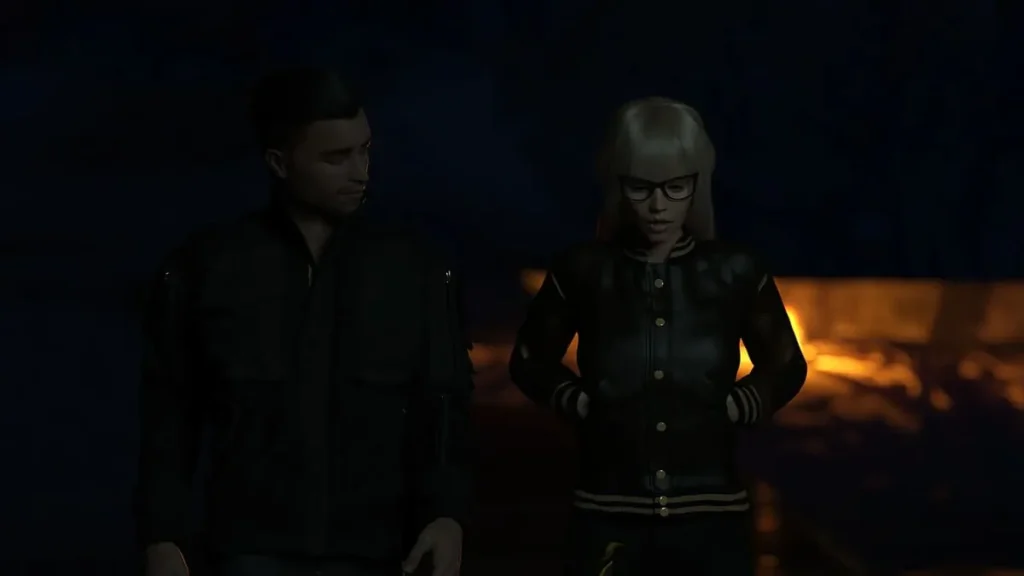





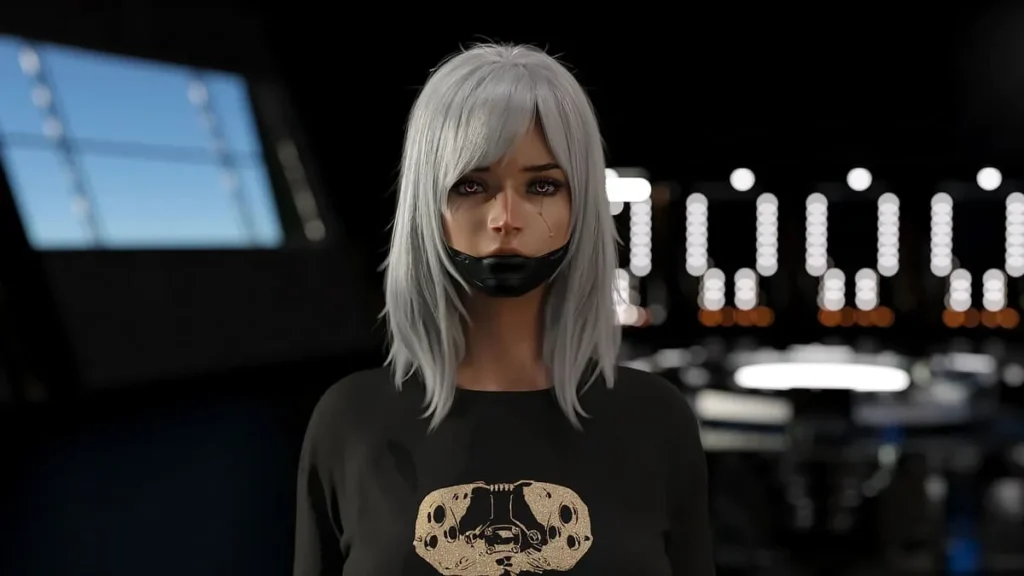










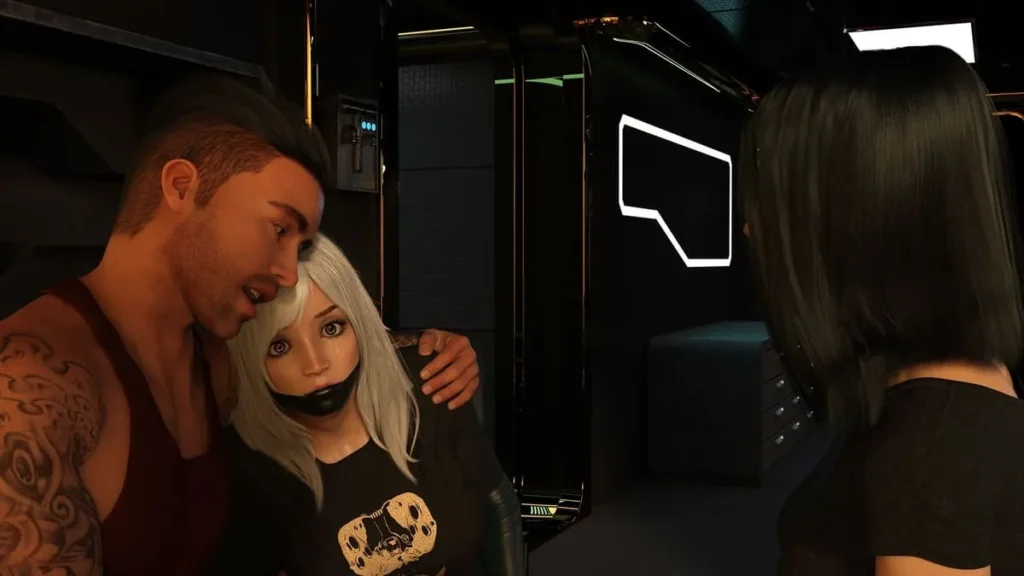















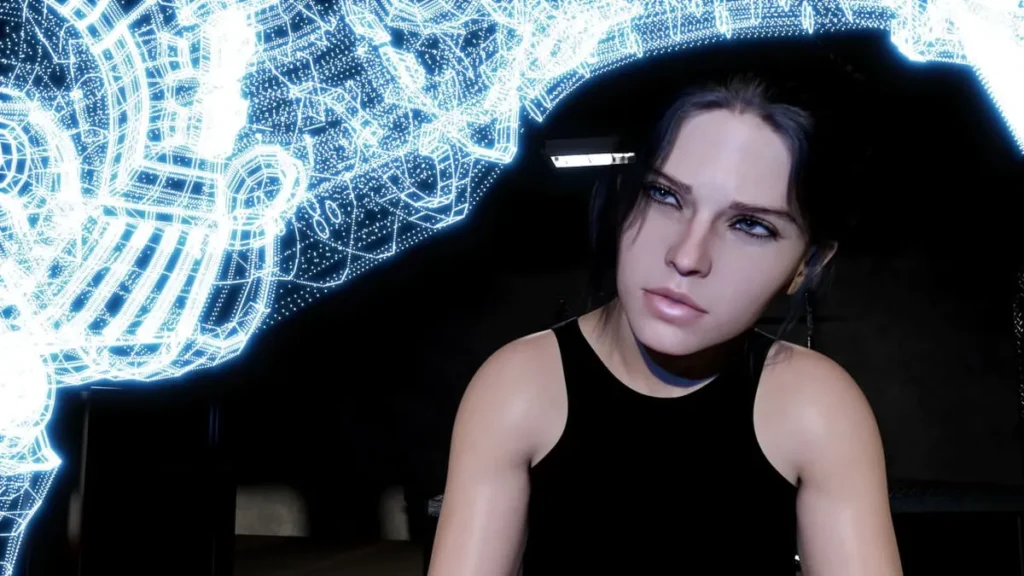


Artemis review
Everything you need to know about gameplay, story, and features
Artemis stands out as a narrative-driven visual novel that combines engaging storytelling with interactive gameplay elements. This guide explores the key aspects of the game, from its compelling narrative structure to its unique mechanics that set it apart in the visual novel genre. Whether you’re a seasoned fan or considering diving into the experience for the first time, understanding what makes Artemis distinctive will enhance your appreciation of this title. We’ll walk you through the essential features, gameplay elements, and what players consistently praise about this interactive experience.
Artemis Gameplay Mechanics and Story Structure
Let’s be honest, the first time you boot up a new visual novel, there’s a moment of trepidation. You’re handed the reins to a story, but you have no idea if your choices will actually matter or if you’re just clicking through a pretty slideshow. I’ve been there, my cursor hovering over a dialogue option, paralyzed by the fear of picking the “wrong” one and missing out on a crucial scene. 🫣
Artemis completely redefines that experience. It doesn’t just give you choices; it builds an entire world that bends and flexes around your decisions. The Artemis visual novel gameplay is a masterclass in player agency, where every conversation, every glance, and every silent moment of support can steer the narrative down a radically different path. Forget passive reading—this is about active participation in a living, breathing story.
So, how does it all work? Let’s pull back the curtain on the machinery that makes this interactive narrative tick.
How Artemis Gameplay Works 🎮
At its heart, the Artemis game mechanics explained is simple: you read, you choose, you live with the consequences. But that’s like saying a symphony is just a bunch of notes. The genius is in the composition. The core loop is immersive and intuitive. You’ll progress through beautifully illustrated scenes, with character dialogue and narration driving the visual novel story progression forward. When it’s your turn to speak or act, a set of interactive narrative choices will appear.
Here’s where Artemis sets itself apart. The options rarely feel like obvious “Good, Neutral, Evil” buttons. Instead, they reflect genuine human responses: a witty retort, a concerned question, a supportive silence, or a defensive snap. You’re not choosing an alignment; you’re defining your protagonist’s personality in real-time. This dialogue system visual novel fans love is less about finding the “correct” answer and more about deciding who you want to be in this story.
The interface is clean and unobtrusive. You have standard visual novel features like auto-read, skip, and a robust log to revisit past conversations—a lifesaver when you’re trying to piece together subtle clues! But the true core of the Artemis visual novel gameplay is the Relationship Matrix, a elegant system working behind the scenes.
Think of it as the emotional scorecard for your journey. Every major character has a set of key traits or feelings toward you (like Trust, Affection, Respect, or Suspicion), and your choices quietly raise or lower these hidden meters. You won’t see numerical values popping up (thankfully!), but you will feel the shifts in how characters speak to you, what secrets they share, and even what scenes you unlock.
| Gameplay Feature | How It Works in Artemis | Player Impact |
|---|---|---|
| Dialogue Choices | Contextual options that reflect personality and intent, not morality. | Directly influences hidden relationship scores and immediate character reactions. |
| Relationship Matrix | A hidden system tracking your bond with each character across multiple dimensions. | Unlocks special scenes, alters story beats, and determines final narrative branches. |
| Story Beats & Flags | Key decisions that lock or unlock major plot sequences and character routes. | Creates significant **branching narrative paths**, making each playthrough unique. |
| Multi-Chapter Progression | Your relationship states and major choices are carried seamlessly between chapters. | Provides a cohesive, long-form narrative where early decisions echo much later. |
The game beautifully balances its visual novel foundations with this interactive decision-making. You’ll have moments of quiet reflection and story development, punctuated by these critical junctures where your input truly shapes the world. It never feels like a minigame or a detached mechanic—the interactive narrative choices are the story’s bloodstream.
Character Development and Narrative Progression 📈
If the choices are the steering wheel, then the characters are the engine. Artemis understands that we don’t fall in love with plots; we fall in love with people. The character relationship system is the most compelling reason to keep clicking. This isn’t about collecting romanceable characters like trading cards. It’s about building complex, sometimes messy, always believable bonds.
Let’s talk about progression. The visual novel story progression in Artemis is structured like a premium TV series. It’s divided into distinct chapters, each with its own narrative focus, rising tension, and climax. The pacing is deliberate, allowing you to breathe in the world and connect with the cast before the plot twists hit. A typical chapter might mix:
* Slice-of-Life Moments: Hanging out at the local cafe, sharing jokes, building rapport.
* Plot-Driven Sequences: Uncovering a mystery, facing a shared threat, advancing the central story.
* Character-Specific Scenes: Deep, one-on-one interactions that are often unlocked by your relationship level.
This structure ensures the story never feels stagnant. Just as you’re getting comfortable, the game introduces a new complication or reveals a hidden layer to a character you thought you understood. The character relationship system evolves in tandem with this. A bond that starts with casual friendship in Chapter 1, built through choosing supportive interactive narrative choices, can, by Chapter 3, become a pivotal alliance or a heartbreaking rift.
I remember on my first playthrough, I consistently chose playful, sarcastic options with a certain character, let’s call him “Kai.” I thought we were becoming great friends. Then, during a moment of crisis, he shut me out completely. A more earnest, vulnerable option I’d ignored earlier was the key he needed to see me as a true confidant. That moment taught me that Artemis rewards emotional consistency and attentiveness. You’re not just picking what you want to say; you’re learning what each character needs to hear.
Tip: Pay close attention to character backgrounds and subtle cues in their dialogue. Choosing an option that aligns with their core values or addresses their hidden fears is often more powerful than the “nicest” thing to say.
This deep character relationship system is what builds immense emotional investment. When a crisis occurs, you’re not worried about “the protagonist”; you’re worried about your friend, your rival, or your love interest. Their victories feel like your victories. Their betrayals sting personally. This level of connection transforms the Artemis visual novel gameplay from a pastime into an experience.
Interactive Choices and Their Impact ⚖️
This is the heart of it all, the feature that elevates Artemis from a great story to a personal myth. Your interactive narrative choices carry profound, often irreversible weight. The game features what I call “butterfly effect” storytelling: a small, seemingly innocuous decision in Chapter 1 can dramatically alter the landscape of Chapter 4.
The impact manifests in several ways:
- Immediate Character Reactions: Characters remember your words. Be consistently harsh, and they’ll become defensive or distant. Show unexpected kindness, and you might see a crack in their armor.
- Branching Narrative Paths: This is the big one. Major story decisions create distinct branching narrative paths. We’re not talking about a different ending slide; we’re talking about entire scenes, subplots, and character arcs that are exclusive to one path. You may miss meeting a pivotal character altogether if you make certain choices.
- Scene Availability: Your relationship scores act as keys. To access a character’s most personal, vulnerable scene, you need to have built a sufficient bond. This makes every intimate moment feel earned.
- The Final Reckoning: All your choices coalesce in the finale. The game doesn’t have three endings; it has a spectrum of conclusions, each reflecting the unique web of relationships you’ve woven throughout your journey.
Example: Let me give you a concrete, spoiler-free example from my own playthrough. Early on, you discover a character, “Maya,” breaking a minor rule. You have a choice: cover for her with a white lie, confront her gently in private, or report the infraction openly to maintain order.
- Choosing to cover for her boosted her Trust and Affection significantly. Much later, when I was under suspicion myself, Maya, acting on that trust, provided me with a crucial alibi I wouldn’t have gotten otherwise, unlocking a whole subplot about mutual protection.
- A friend chose to report her. This increased Maya’s Respect (she saw it as principled) but cratered her Affection. In his playthrough, Maya became a disciplined but cold ally. Later, during a division of resources, she strictly applied the rules against him, citing his own earlier commitment to them. A brutal, brilliant consequence.
This is the power of Artemis visual novel gameplay. The dialogue system visual novel mechanics are built not for convenience, but for consequence. It demands multiple playthroughs not out of obligation, but out of sheer curiosity. What happens if I side with this faction instead of that one? What if I mend this friendship instead of letting it break?
The branching narrative paths are so extensive that your second run can feel like a completely different story, focusing on characters you barely knew the first time. It’s a testament to the game’s depth and the incredible significance of player agency it provides. You’re not just along for the ride—you’re in the driver’s seat, navigating a map with hundreds of possible destinations. 🗺️
FAQ: Your Artemis Gameplay Questions Answered ❓
How long is a single playthrough of Artemis?
A complete playthrough, if you’re reading at a moderate pace and exploring available scenes, typically takes between 10 to 15 hours. However, this is highly dependent on your reading speed and how much you linger on the beautiful artwork and music!
Is the game highly replayable?
Absolutely, and this is one of its greatest strengths. Due to the extensive branching narrative paths and the deeply reactive character relationship system, a second or third playthrough can reveal over 50% new content. Different choices lead to different character insights, plot revelations, and entirely unique scenes, making each journey feel personal and fresh.
Are there any “game over” or fail states?
Artemis focuses on narrative consequences rather than traditional “game over” screens. You can’t really “lose,” but you can absolutely make choices that lead to deeply tragic, bittersweet, or emotionally challenging outcomes for your character and their relationships. Some paths may end with certain relationships irreparably broken or with you being excluded from key events.
How does the game track my choices for future playthroughs?
The game features a comprehensive chapter select and save system. More importantly, once you complete the game, you unlock a scene selection gallery that lets you jump back to key decision points. This allows you to experiment with different interactive narrative choices without replaying the entire story from scratch, a fantastic feature for completionists.
What’s the best way to approach my first playthrough?
My strongest piece of advice? Play authentically. Don’t try to google the “best” choices. Immerse yourself in the world, listen to the characters, and make the decisions that feel right to you. The most powerful Artemis visual novel gameplay experience comes from witnessing the natural, sometimes unexpected, consequences of your own personal choices. Your unique story is waiting to be told.
Artemis delivers a compelling experience that resonates with players seeking meaningful narrative-driven gameplay. The game’s strength lies in its ability to weave interactive choices seamlessly into an engaging story, creating a sense of genuine player agency that keeps audiences invested. From its character development system to its branching narrative paths, every element works together to create an immersive experience. For those interested in exploring what makes Artemis special, diving into the game yourself offers the most authentic way to appreciate its storytelling and mechanics. Consider starting your journey today and discover why this visual novel has captured the attention of so many players.