Alpha Omega
Play Alpha Omega
Alpha Omega Screenshots













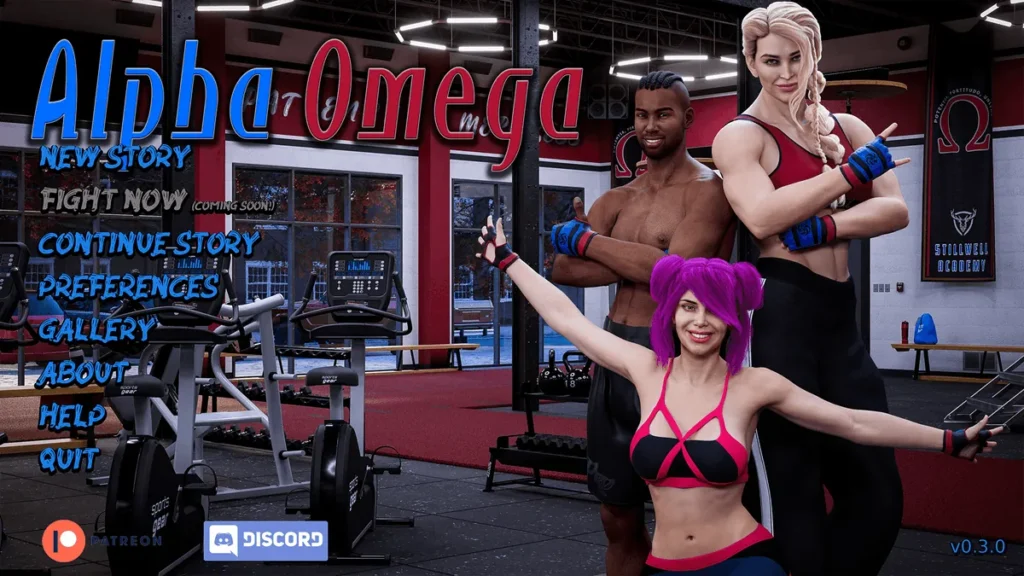
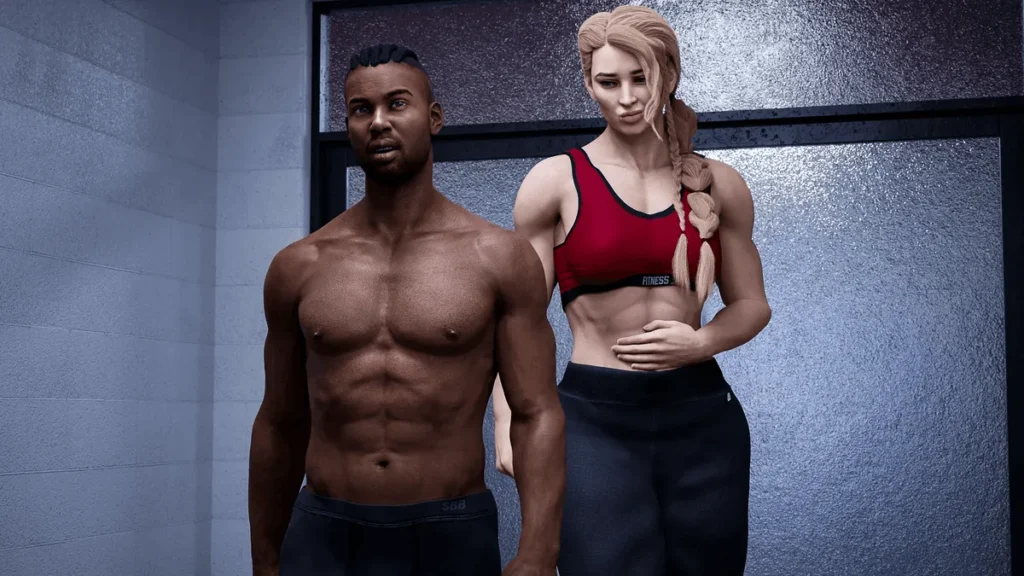
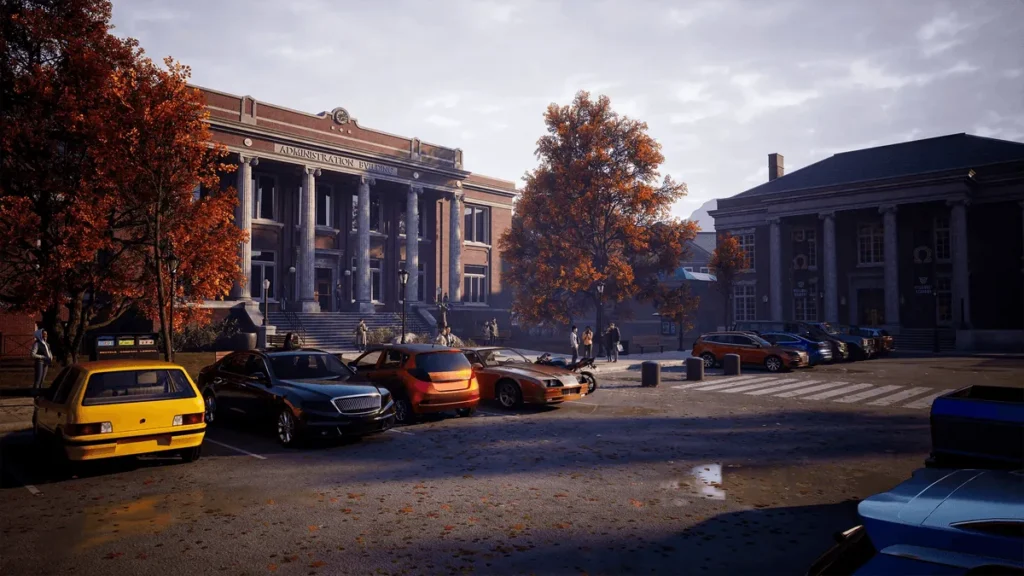
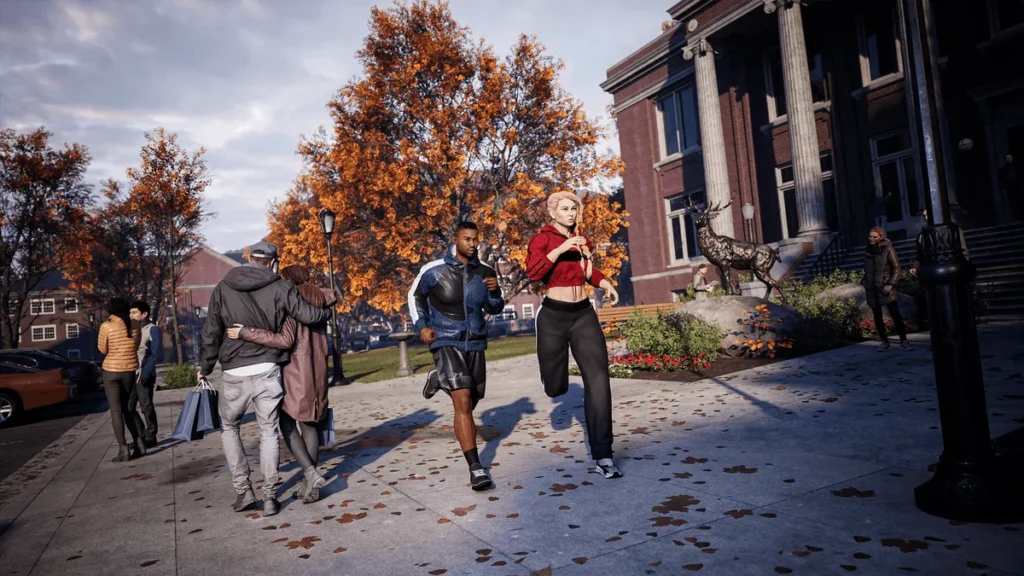
Alpha Omega review
A player-focused guide to mechanics, story, and tips for Alpha Omega
Alpha Omega is a narrative-driven adult-themed indie title that blends character-focused storytelling with choice-based gameplay and progression systems, and this guide walks you through its core systems, memorable moments, and practical strategies. In the first paragraph we establish the game’s name, the central hook (choice-driven story + character progression), and promise hands-on tips and personal impressions to help both new and returning players. I’ll draw on my play experience, note common stumbling points players report, and offer a clear roadmap to make your playthrough smoother.
Getting Started: Installation, System Needs and First-Time Setup
So, you’ve decided to dive into the world of Alpha Omega? Excellent choice! 🎮 Before you get lost in its intricate story and mechanics, there’s the all-important first hurdle: getting the game from your screen into a playable state on your rig. This guide is here to ensure your Alpha Omega installation is smooth, your settings are optimized, and you avoid the classic “it won’t launch!” panic. Think of this as your pre-mission briefing.
Let’s get you from eager fan to active player, step by step.
How to install and run Alpha Omega
Your first step is, naturally, the Alpha Omega download. Where you get the game matters for ease of access and future updates. Currently, Alpha Omega is primarily available for PC. You can find it on popular indie-friendly platforms like itch.io and GOG. Always ensure you’re purchasing or downloading from the official developer pages on these storefronts to avoid any issues.
Once you’ve completed your purchase, the Alpha Omega download process is typically straightforward:
1. On your storefront library, locate Alpha Omega and click the download/install button.
2. Choose an installation directory. Pro Tip: Use a path without deep folder nesting or special characters (like accents or symbols). Something simple like C:\Games\AlphaOmega is perfect. This can prevent a surprising number of permission and pathing errors down the line.
3. Let the installer run its course. Depending on the platform, it might also quietly install necessary system dependencies in the background.
Now, here’s where many players hit their first snag, and I was no exception! 😅 During my very first Alpha Omega installation, I double-clicked the icon with gusto… only to be greeted by a cryptic error about a missing DLL. My heart sank. After a bit of googling (and mild despair), I realized the game required a specific version of the DirectX runtime that wasn’t on my freshly installed Windows. The fix was simple: I located the _Redist or _CommonRedist folder inside the game’s installation directory, ran the DirectX installer, and voilà—the game launched.
This is a classic Alpha Omega troubleshooting scenario. The game, like many PC titles, relies on shared system software. If your Alpha Omega download doesn’t auto-install these, you may need them:
* DirectX End-User Runtime
* Microsoft Visual C++ Redistributables (various years)
* .NET Framework
Always check for a
Redistributablesfolder in your game’s install location first. Running those installers as Administrator solves 80% of launch problems.
If the game still won’t start, here are your three priority checks:
* Graphics Drivers: Update them. Seriously. This is the most common fix.
* Run as Administrator: Right-click the game’s .exe file and select “Run as administrator” to bypass permission hurdles.
* Antivirus/Firewall: Sometimes, these can quarantine a game file mistakenly. Add an exception for the game’s folder.
Once you’re past the launch barrier, you’re ready to tweak the experience to your liking.
Recommended system settings and performance tips
While the official Alpha Omega system requirements will tell you if you can run the game, this section is about making it run well. Balancing stunning visuals with buttery-smooth performance is key to immersion. Let’s break down what you need and how to tweak it.
First, consult this table to see where your PC lands:
| Component | Minimum Specs | Recommended Specs |
|---|---|---|
| OS | Windows 10 (64-bit) | Windows 10/11 (64-bit) |
| Processor (CPU) | Intel Core i5-4460 / AMD FX-6300 | Intel Core i7-6700K / AMD Ryzen 5 1500X |
| Memory (RAM) | 8 GB | 16 GB |
| Graphics (GPU) | NVIDIA GTX 760 2GB / AMD Radeon R7 260X | NVIDIA GTX 1060 6GB / AMD Radeon RX 580 |
| DirectX | Version 11 | Version 12 |
| Storage | 15 GB available space (SSD recommended) | 15 GB available space on an SSD |
Meeting the “Recommended” specs is your goal for a consistently great experience at 1080p. Now, let’s talk settings. This Alpha Omega settings guide focuses on the options that give you the biggest performance boost for the smallest visual sacrifice.
Upon first launch, head straight to the Graphics or Video settings menu:
* Resolution: Match this to your monitor’s native resolution. If performance is poor, lowering this is your nuclear option, but try other tweaks first.
* V-Sync: Enable this if you notice screen tearing. If it causes input lag or frame drops, consider disabling it and using a frame cap instead.
* Frame Rate Cap: Setting this to 60 or your monitor’s refresh rate keeps your GPU from overworking and keeps things smooth.
* Shadow Quality: This is often a major performance hit. Try setting this to “Medium” first. The visual difference is usually minimal, but the FPS gain can be huge.
* Texture Quality: Keep this as high as your VRAM allows (see your GPU’s memory in the table above). Lowering texture quality can make the world look blurry.
* View Distance/Level of Detail (LOD): A slight reduction here can improve performance in large, open areas without being too noticeable.
The golden rule of Alpha Omega troubleshooting for performance: change one setting at a time, test it, and see how it feels. Your perfect balance is unique to your system!
| Problem | First Thing to Check / Try |
|---|---|
| Game won’t launch after Alpha Omega installation | 1. Install Redistributables. 2. Update GPU drivers. 3. Run as Admin. |
| Stuttering or low FPS | 1. Lower Shadow Quality. 2. Cap Frame Rate. 3. Ensure game is on an SSD. |
| Crashes in specific areas | 1. Verify game files on your storefront. 2. Lower Level of Detail settings. |
First-time setup choices that matter
The game is running beautifully now—fantastic! 🚀 But before you click “New Game,” take five minutes in the Settings menu. A few choices here can profoundly impact your long-term enjoyment and save you future headaches. This is the core of a good Alpha Omega settings guide.
Save Game Settings:
* Autosave Frequency: I cannot stress this enough—enable autosaves at a reasonable interval. Alpha Omega can have long, tense sections without obvious save points. An autosave every 15-20 minutes is a lifesaver. I learned this the hard way after a 90-minute session ended in a crash, losing all progress. Never again!
* Save File Location: Know where your saves are! Usually, they’re in your Documents folder. This is crucial for Alpha Omega troubleshooting and, as we’ll see, for mods.
Controls and Input:
Don’t just accept the defaults. Go to the Key Bindings or Controller settings.
* Remap any action that feels awkward to your hand.
* Adjust camera/mouse sensitivity until it feels natural.
* If you’re using a controller, check for options like analog deadzone and vibration intensity.
Audio and Language:
* Balance your music, SFX, and dialogue sliders. Sometimes dialogue can get drowned out by epic scores or environmental noise.
* Select your preferred text and audio language here if options are available.
Introducing Mods: The Alpha Omega mods install Primer
The modding community can add incredible depth to your game, but safety first! A bad Alpha Omega mods install process can corrupt saves. Here’s the safe way to do it:
1. BACKUP YOUR SAVES. Before touching any mod, copy your entire save folder (the one we located earlier) to a safe place on your desktop.
2. Read the Mod’s README. Every good mod has instructions. Follow them exactly. Some mods go in an Addons folder, others in Data, etc.
3. Use a Mod Manager if available. For larger mods or multiple mods, a community-made manager can handle conflicts and installation.
4. Disable Mods for Official Updates. When the game receives a major patch, disable all mods before updating to prevent crashes. Wait for mod authors to confirm their work is compatible with the new version.
A thoughtful first-time setup, from save habits to control schemes, lays the perfect foundation. You’ve handled the Alpha Omega system requirements, optimized your settings, and safeguarded your journey. Now, with the technicalities mastered, you’re truly ready to step into the world of Alpha Omega and make it your own. Your adventure begins now! ✨
Alpha Omega offers a mix of narrative choice, character progression, and customizable play that rewards planning and experimentation. This guide has walked through installation and setup, core mechanics, character arcs, modding precautions, and advanced strategies to help you shape the experience you want. Try the recommended first-run approach, keep backups of your saves before experimenting with branches or mods, and join community spaces if you want to compare strategies or attempt themed runs. If you found these tips useful, consider sharing your own playthrough stories or asking for a tailored run plan.